
Select the Right Grass for Shade
Not all grasses thrive in the shade. For spots under trees or near buildings where sunlight is limited, choose varieties known for their shade tolerance. Fine fescue, creeping red fescue, and certain ryegrasses perform well with less light, giving you a better chance at a green lawn in tricky areas.
Know Your Soil
Shady spots often have different soil conditions than sunny areas, sometimes holding more moisture or draining poorly. Before planting, test your soil's pH, nutrients, and drainage. Correcting any imbalances with amendments such as compost or sand helps create a welcoming environment for grass to grow.
Increase Light Exposure When Possible
While you may not want to drastically alter your landscaping, even small steps like trimming back branches or thinning dense shrubs can let more sunlight reach the grass below. These adjustments can significantly improve the health and growth of your lawn in shaded zones.
Water Thoughtfully
Areas under shade may get less rain because tree canopies block precipitation. Water deeply but less often to encourage strong root systems, and avoid excessive watering that could lead to fungal problems. Aim for moisture that penetrates the soil without saturating it.
Adjust Mowing Habits
Set your mower blades higher in shady areas to keep grass leaves longer. This helps with photosynthesis when light is limited and protects soil moisture by shading the ground. Remember not to cut more than one-third of the blade at a time to avoid stressing the grass.
Overseed to Fill in Thin Areas
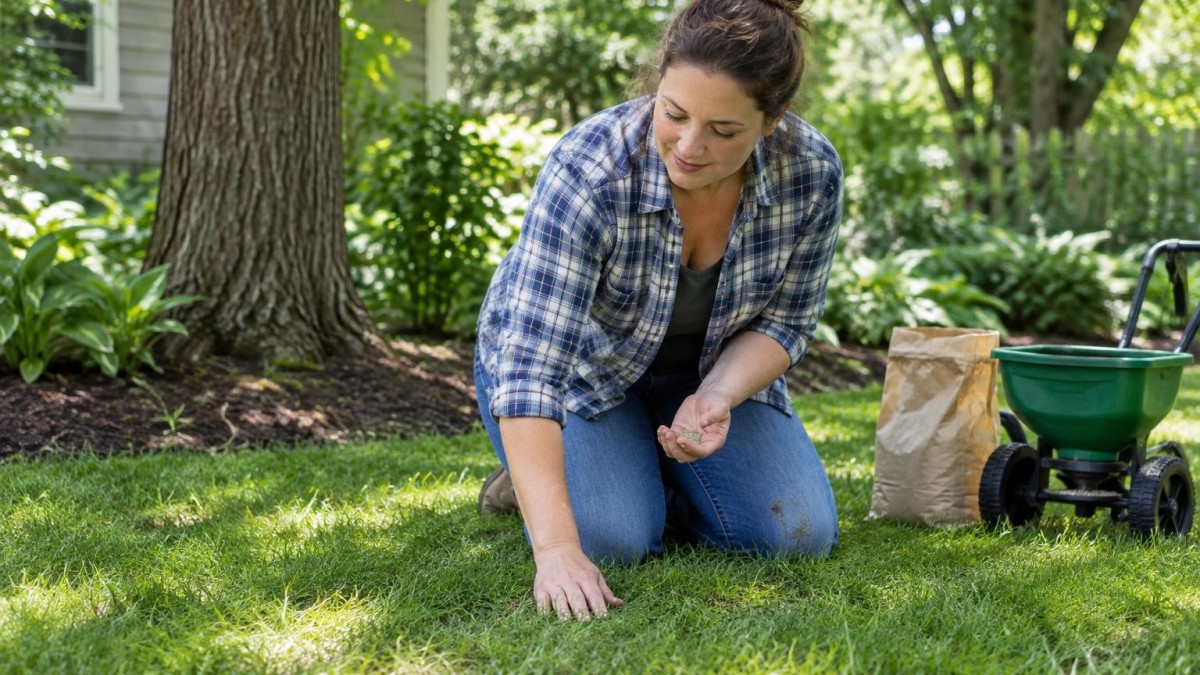
The competition for nutrients and water can be fierce under trees. Overseed your lawn with shade-appropriate grass seed to replenish patchy spots and boost density. The fall season is ideal for overseeding since soil remains warm and conditions are gentle on new seedlings.
Maintain Consistently
Regular upkeep is key. Clear away fallen leaves and debris that can smother grass. Aerate compacted soil to improve air and water flow, and fertilize based on the needs of shade-loving grasses. Stay alert for diseases or pests and address them promptly to protect your lawn's health.
Growing grass in the shade requires extra attention but can definitely be done. With the right grass choice, improved soil, thoughtful watering, and proper care, your shady lawn will become a verdant retreat that you can enjoy year-round.
Newsletter Station provides professionally written, ready-to-send newsletters customized for your market and brand.
EXPLORE NEWSLETTER OPTIONS