
Understanding Reverse Sneezing in Dogs
If you've ever seen your dog suddenly start snorting, honking, or rapidly inhaling through the nose, you’ve witnessed what’s commonly called reverse sneezing. Though it might look alarming, this behavior is usually harmless and resolves without any treatment.
What Happens During Reverse Sneezing?
Reverse sneezing occurs when a dog experiences rapid, repeated inhalations through the nose, often accompanied by a distinctive snorting or honking sound. Dogs may stretch their necks during these episodes and appear briefly distressed, but the episodes are generally short-lived and not painful.
Common Triggers Behind Reverse Sneezing
Several factors can set off reverse sneezing in dogs. Allergens and irritants, such as dust, pollen, or fragrances, often cause this response, especially in dogs with sensitivities or allergies. Overexcitement, stress, or rapid breathing connected to anxious moments can also trigger episodes.
Some dogs experience reverse sneezing after eating or drinking quickly, as this can irritate the throat or accidentally bring small amounts of food or liquid into the airway. Occasionally, a foreign object like a blade of grass stuck in the throat can be the culprit.
Dogs with nasal congestion from colds or infections may reverse sneeze as their bodies try to clear their airways. Additionally, certain breeds—especially small dogs and brachycephalic breeds like Pugs and Bulldogs—tend to have reverse sneezing more frequently due to their unique anatomical features.
How You Can Help During an Episode
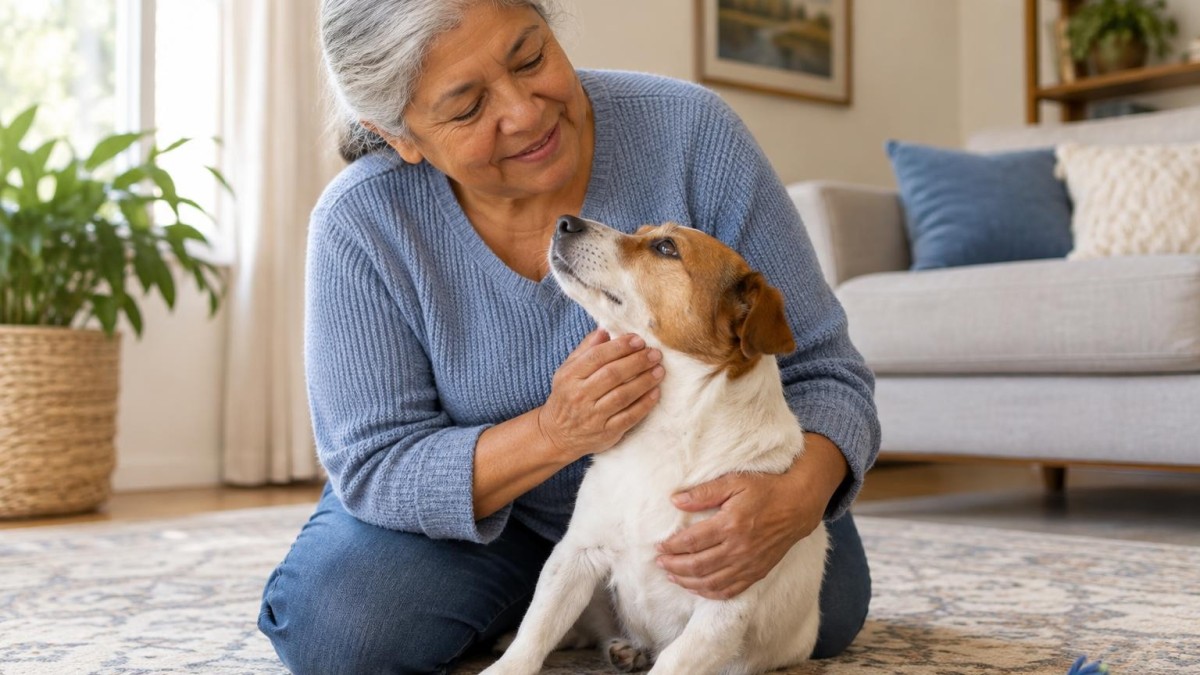
When your dog is reverse sneezing, the best approach is to remain calm. Gently massaging your dog's throat can provide relief and encourage normal breathing. Some dog owners find that temporarily covering their dog's nostrils stimulates swallowing, which may stop the episode.
Offering a treat or a small sip of water can distract your dog and help them regain normal breathing patterns. Identifying and avoiding known triggers, such as irritants or excitement, can reduce the frequency of episodes.
When to Seek Veterinary Advice
While reverse sneezing is typically harmless, you should consult your veterinarian if episodes become frequent, prolonged, or severe. Also seek veterinary care if your dog shows additional symptoms like difficulty breathing or changes in the intensity of episodes. Underlying conditions such as allergies or respiratory infections may require treatment.
Understanding reverse sneezing helps you stay calm and supportive when your dog experiences it, ensuring your furry friend stays comfortable and healthy.
Newsletter Station provides professionally written, ready-to-send newsletters customized for your market and brand.
EXPLORE NEWSLETTER OPTIONS