
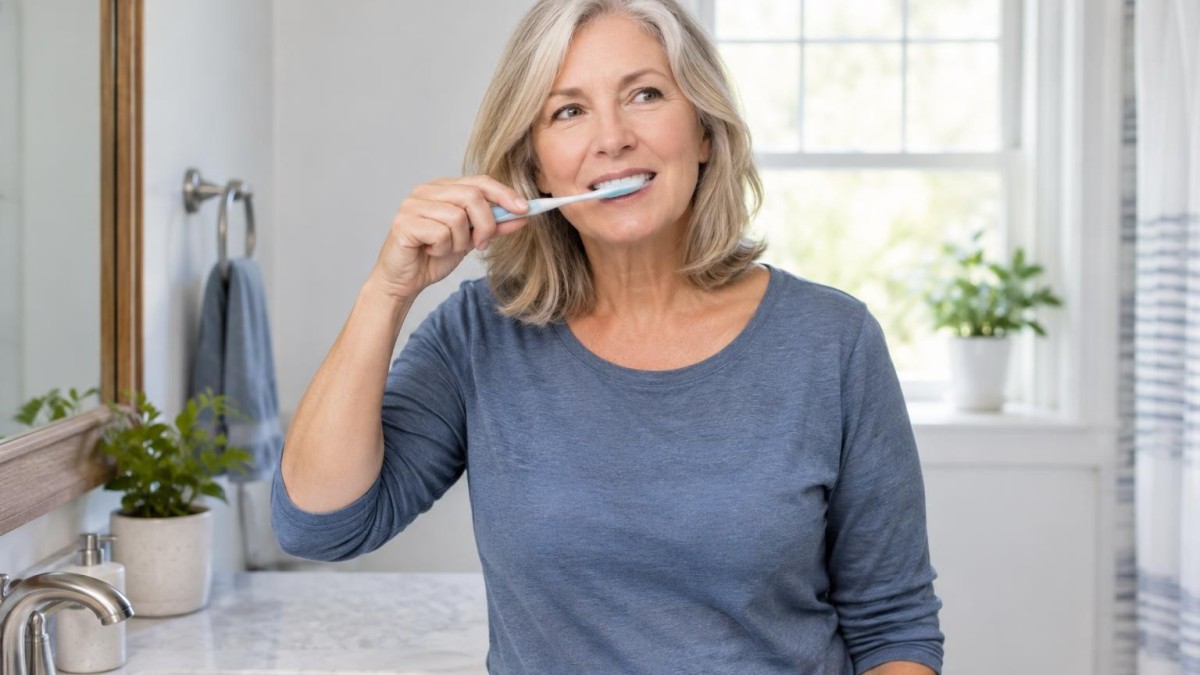
How Hormones Influence Your Oral Health
Most of us associate good oral health with daily brushing, flossing, and dental checkups. However, hormones play an often overlooked role in the health of your teeth and gums, especially during stages like puberty, pregnancy, perimenopause, and menopause.
Fluctuating hormone levels can impact gum tissue responses to plaque, saliva production, and oral comfort. These changes don't guarantee dental problems but do heighten the importance of maintaining diligent oral care and staying alert to any unusual symptoms.
Gum Changes Through Life’s Hormonal Shifts
Rising and falling levels of estrogen and progesterone increase blood flow to gum tissue, making it more sensitive and reactive to bacteria in plaque. This sensitivity often causes swelling, tenderness, redness, or bleeding gums during hormonal shifts.
For instance, puberty can trigger these gum changes, especially if brushing and flossing habits aren’t well established. Similarly, many experience gum fluctuations through their menstrual cycles, and it’s wise to mention any recurring issues to your dentist rather than dismissing them.
Pregnancy intensifies these effects. Pregnancy gingivitis is common due to heightened gum sensitivity and reactions to plaque. You may notice bleeding when brushing, increased tenderness, or swelling along the gumline. On top of that, changes in diet, acid exposure from morning sickness, and dry mouth contribute to a higher risk of cavities.
During menopause and perimenopause, declining hormones can cause symptoms such as dry mouth, burning sensations, altered taste, gum inflammation, and increased tooth sensitivity. Bone loss related to aging and hormone shifts can also affect jawbone health, emphasizing the need for attentive dental care.
Saliva, Sensitivity, and Practical Oral Care Tips
Saliva plays a key role in oral health by washing away food debris, neutralizing acids, and protecting teeth. Hormonal transitions can reduce saliva production, leading to dry mouth, which complicates eating and speech and raises cavity risk.
Tooth sensitivity sometimes overlaps with hormonal changes but often signals other issues like enamel wear or gum recession. If you notice new or worsening sensitivity, it’s important to consult your dentist to identify the root cause.
Maintaining good habits is crucial during hormonal changes:
Brush twice daily with a soft toothbrush and fluoride toothpaste for about two minutes.Floss daily or use other interdental cleaning methods to reduce plaque buildup and gum inflammation.Stay hydrated to combat dry mouth and discuss persistent dryness with your dentist.Limit sugary snacks and frequent snacking to reduce cavity risks.Keep regular dental visits so professionals can monitor changes and provide early treatment.Inform your dentist about any major hormonal changes like pregnancy or menopause for tailored care.Pay close attention to changes in your mouth such as bleeding, swelling, persistent dryness, sensitivity, or pain. While hormones do affect oral health, these symptoms might also indicate other conditions that need prompt attention.
By combining awareness with consistent oral care, you can help protect your smile through all of life’s hormonal phases.
Newsletter Station provides professionally written, ready-to-send newsletters customized for your market and brand.
EXPLORE NEWSLETTER OPTIONS