
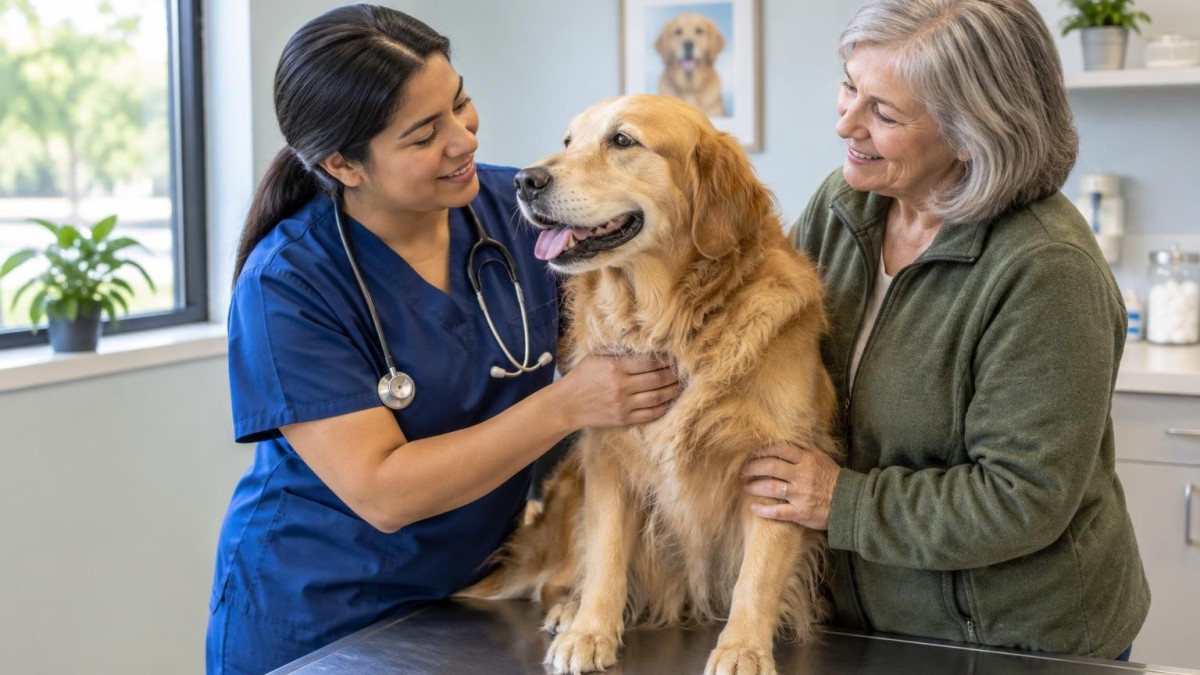
Early Warning Signs of Cancer in Dogs
Cancer can affect our canine companions just as it does humans, making early recognition critical to helping your dog maintain a better quality of life. Watching for subtle changes in your dog’s health can make a significant difference in detecting cancer early and seeking timely treatment.
Weight Changes Without Clear Cause
Unexplained weight loss is often one of the first signs that something might be wrong. If your dog’s weight drops but their appetite and energy remain the same, it’s a good idea to check with your vet. This could point to cancers like lymphoma or tumors in the digestive tract.
New Lumps and Growths
Regularly feel your dog’s body for any new lumps or bumps. While many are harmless, any new or changing mass needs veterinary evaluation promptly. Early assessment helps determine if treatment can be more effective.
Appetite and Eating Habits
A noticeable decrease or increase in appetite might indicate underlying health issues, including cancer. Discomfort or pain might suppress eating, while some dogs may eat more. Any recent changes deserve a veterinary check.
Breathing Difficulties and Persistent Coughing
Persistent coughing or labored breathing can suggest lung-related cancers or chest tumors. Though such symptoms can come from infections or allergies, it’s important to rule out cancer through professional assessment.
Lethargy and Reduced Activity
When energetic dogs suddenly show low energy or disinterest in usual activities, it could be a sign of illness, such as cancer. Persistent tiredness should prompt a visit to the vet to investigate underlying causes.
Changes in Bathroom Habits
Urinary issues like frequent urination, straining, or blood may indicate urinary tract cancers. Similarly, ongoing changes in bowel movements could signal gastrointestinal cancer. Keep track of these symptoms and discuss them with your veterinarian.
Mobility Problems
Lameness, stiffness, or difficulty walking, especially in older dogs, might point to bone cancer or tumors affecting joints. Prompt veterinary evaluation is necessary to address these concerns early.
Skin Changes and Sores
Watch for skin sores that don’t heal, open wounds, or unusual color changes. Skin cancer is fairly common in dogs, and early detection allows better treatment options.
The Importance of Regular Vet Visits
Being a vigilant pet owner means noticing small changes and maintaining regular veterinary check-ups. These evaluations are key to catching cancer early when treatment has the best chance of success. If you observe any of these signs or have concerns, don’t hesitate to seek veterinary advice.
Early detection truly can extend your dog’s life and improve their well-being. Caring attention paired with professional care offers your loyal companion the best chance at a healthier future.
Newsletter Station provides professionally written, ready-to-send newsletters customized for your market and brand.
EXPLORE NEWSLETTER OPTIONS