
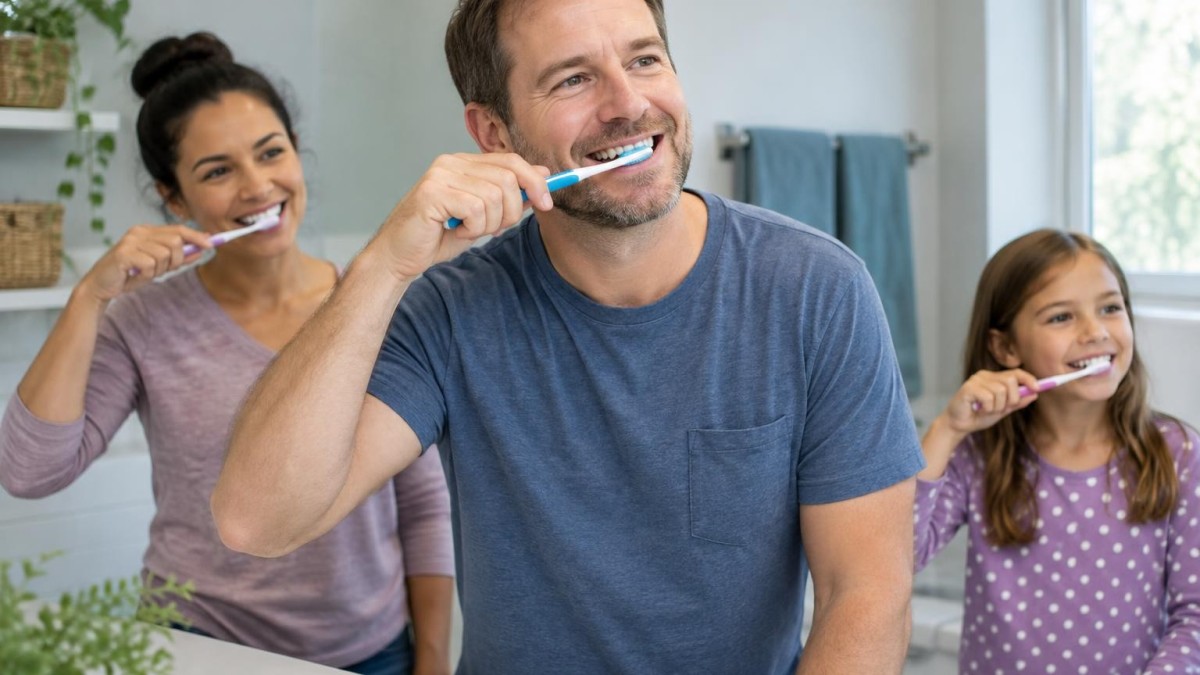
Pick Soft Bristles for Gentle, Effective Cleaning
When it comes to toothbrush bristles, softer is usually better. Soft bristles remove plaque without harming your gums or wearing down tooth enamel. Avoid medium or hard bristles, which can cause gum irritation and tooth sensitivity, especially if you brush too hard. If your teeth are sensitive or your gums recede, extra-soft bristles might provide extra comfort. Remember, gentle brushing removes plaque effectively; pressing harder doesn’t improve cleaning and may cause damage.
Choose a Compact Head and Comfortable Handle
A toothbrush with a small head allows you to reach all your teeth, including those tricky back molars and along the gumline. Larger heads can be clumsy, especially for smaller mouths or children. Also, a handle with a good grip makes brushing easier and more comfortable. Features like rubberized surfaces or contoured shapes help keep your brush secure, which is especially helpful if you have arthritis or limited hand strength.
Manual or Electric: What Works Best?
Both manual and electric toothbrushes clean effectively when used correctly. Manual brushes are affordable, portable, and simple, while electric toothbrushes offer helpful extras like timers, pressure sensors, and various brushing modes. Some studies suggest electric brushes might remove plaque slightly better, particularly oscillating-rotating types, but they aren’t essential for everyone. People with braces, limited dexterity, or trouble brushing properly might find electric options beneficial. Just make sure replacement heads are affordable and easy to find if you go electric.
Keep Your Toothbrush Fresh and Replace it Regularly
Toothbrush bristles wear out over time and lose effectiveness. The American Dental Association advises replacing your toothbrush every three to four months or sooner if the bristles look frayed. Many brushes now include color-changing bristles as a reminder. After brushing, rinse thoroughly and store the brush upright to air-dry and reduce bacteria growth. There’s no need for special disinfecting routines.
Look for the ADA Seal and Focus on Technique
The American Dental Association (ADA) Seal of Acceptance indicates a toothbrush meets safety and quality standards. Not every effective brush has this seal, but it’s a helpful guide when choosing products. Ultimately, your brushing technique matters more than your toothbrush. Use gentle, short strokes at about a 45-degree angle to your gumline, clean all tooth surfaces, and brush for two minutes twice daily. If you use an electric brush, follow the manufacturer’s directions for best results.
Consult Your Dentist When Needed
If you notice persistent gum bleeding, tooth sensitivity, or have braces or dental restorations, your dentist can recommend the best toothbrush and care routine tailored for you. Don’t ignore ongoing gum bleeding—it may signal a condition needing professional attention.
Choosing a toothbrush that feels right and encouraging consistent, proper brushing habits will help you maintain a healthier smile for years to come.
Newsletter Station provides professionally written, ready-to-send newsletters customized for your market and brand.
EXPLORE NEWSLETTER OPTIONS