
FEATURE ARTICLE
What Does It Mean When Your Jaw Keeps Popping?
Sep 3, 2025
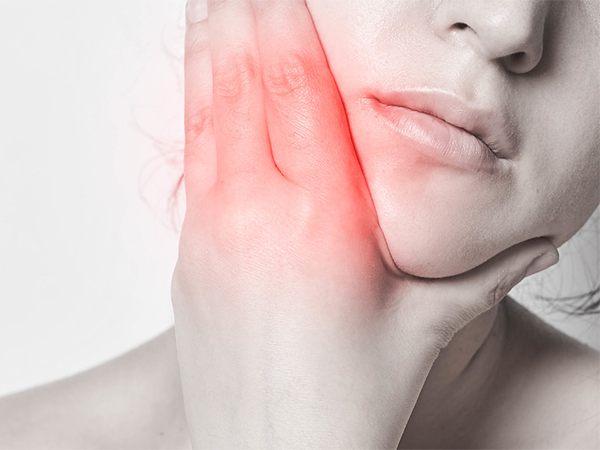
Has your jaw ever popped when you open or close your mouth? If so, you're not alone. Many people experience jaw popping or clicking at some point in their lives. While it may not always be a cause for concern, persistent jaw popping can be bothersome and indicate an underlying issue.
This blog will explore the possible causes of jaw popping, when it's a sign to seek medical attention, and some tips for managing this condition.
Understanding the Anatomy of the Jaw
Before exploring the reasons for jaw popping, it's essential to understand the anatomy of the jaw joint, commonly referred to as the temporomandibular joint (TMJ). The TMJ is the hinge joint that connects your jawbone (mandible) to your skull. This joint enables you to open and close your mouth, allowing for essential functions such as talking, eating, and chewing.
Causes of Jaw Popping
In most cases, jaw popping is not a severe issue and typically resolves on its own. However, if you experience the following symptoms along with jaw popping, it's essential to seek medical attention:
While it's essential to consult a healthcare professional for proper diagnosis and treatment, there are some self-care measures you can take to manage jaw popping:
Remember, seeking professional advice is crucial to identifying underlying issues and receiving appropriate treatment.
This blog will explore the possible causes of jaw popping, when it's a sign to seek medical attention, and some tips for managing this condition.
Understanding the Anatomy of the Jaw
Before exploring the reasons for jaw popping, it's essential to understand the anatomy of the jaw joint, commonly referred to as the temporomandibular joint (TMJ). The TMJ is the hinge joint that connects your jawbone (mandible) to your skull. This joint enables you to open and close your mouth, allowing for essential functions such as talking, eating, and chewing.
Causes of Jaw Popping
- Dislocated Jaw Disc:
One of the common causes of jaw popping is a dislocated disc in the TMJ. The disc acts as a cushion between the jawbone and the skull, and when it moves out of its normal position, it can produce popping or clicking sounds. - Jaw Misalignment:
If your teeth don't fit together correctly, it can lead to jaw misalignment, also known as malocclusion. This misalignment can strain the TMJ, causing it to pop when you move your jaw. - Arthritis:
Arthritis is the inflammation of the joints and can also affect the TMJ. When the joint becomes inflamed, it can create clicking or popping sensations. - Jaw Clenching and Teeth Grinding:
Habitual clenching of the jaw or grinding your teeth, also known as bruxism, can put excessive pressure on the TMJ, leading to popping sounds. - Injury or Trauma:
A blow to the jaw or any other injury can damage the TMJ, causing popping or clicking. - Stress:
Stress can increase muscle tension in the jaw area, contributing to jaw popping.
In most cases, jaw popping is not a severe issue and typically resolves on its own. However, if you experience the following symptoms along with jaw popping, it's essential to seek medical attention:
- Severe pain or discomfort in the jaw area.
- Locking of the jaw joint, making it difficult to open or close your mouth.
- Persistent headaches or earaches.
- Changes in your bite or difficulty chewing.
- Unexplained swelling or tenderness around the jaw joint.
While it's essential to consult a healthcare professional for proper diagnosis and treatment, there are some self-care measures you can take to manage jaw popping:
- Avoid Chewing Gum:
Gum can place additional stress on the jaw joint, aggravating jaw popping. Try to limit or avoid gum altogether. - Practice Relaxation Techniques:
If stress is a contributing factor, try practicing relaxation techniques such as deep breathing, yoga, or meditation to reduce muscle tension. - Apply Warm Compresses:
Warm compresses to the jaw area can help relax the muscles and alleviate discomfort. - Avoid Hard Foods:
Stick to a soft diet and avoid hard, crunchy foods that may strain the jaw. - Gentle Jaw Exercises:
Consult a dentist or physical therapist for specific jaw exercises to improve jaw mobility and reduce popping.
Remember, seeking professional advice is crucial to identifying underlying issues and receiving appropriate treatment.