
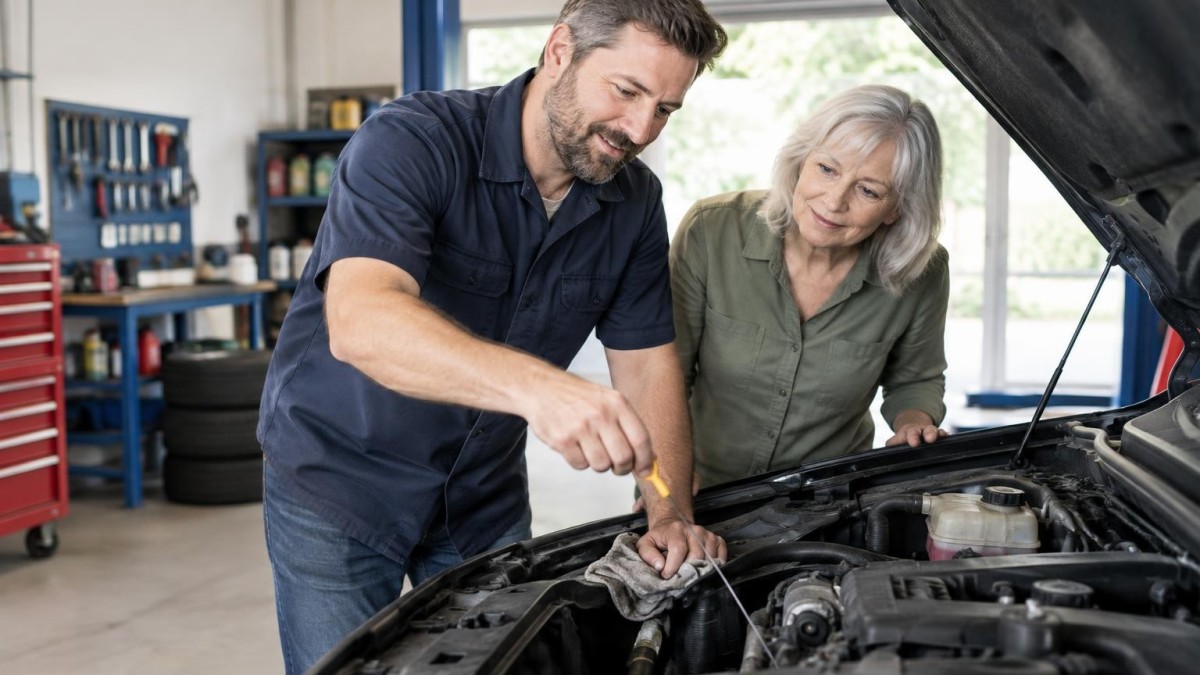
Why Regular Maintenance Matters
Taking care of your vehicle goes well beyond just refueling it and driving off. Regular maintenance is crucial to keep your car running safely, reliably, and efficiently for years to come. Simple upkeep tasks like oil changes and tire rotations form the foundation of vehicle longevity and performance, often saving you time and money by preventing major breakdowns.
Key Maintenance Tasks to Keep in Mind
Oil Changes: One of the most important upkeep jobs is changing your engine oil regularly. Oil lubricates the engine, minimizing friction and wear on moving parts. Over time, oil loses its effectiveness, which can harm your engine and reduce your vehicle’s performance. Generally, oil changes are recommended every 5,000 to 7,500 miles, but always check your owner’s manual since intervals can vary by make and model.
Tire Inspections and Rotations: Your tires are your only contact with the road, making their maintenance vital for safety and performance. Regularly check your tire pressure, tread depth, and overall condition. Well-maintained tires improve fuel efficiency and handling. Rotating your tires every so often also ensures even wear, helping them last longer.
Brake Checks: The braking system is key to keeping you safe on the road. Regular inspections can catch worn brake pads, warped rotors, or other issues early. If you hear squealing, notice vibrations when braking, or feel a soft brake pedal, get your brakes checked promptly to avoid costly repairs and ensure your safety.
Fluid Levels and Replacement: Your vehicle relies on several fluids like coolant, brake fluid, transmission fluid, and power steering fluid. Keeping these fluids at the right levels and replacing them according to your vehicle’s schedule helps maintain smooth operation and prevents damage. Coolant is especially important to regulate engine temperature under all weather conditions.
Air Filter Replacement: The air filter keeps dirt and debris out of your engine. A clogged filter restricts airflow and can reduce fuel efficiency and performance. Replacing your air filter generally every 12,000 to 15,000 miles — or more frequently if you drive in dusty conditions — helps your engine breathe better and run longer.
Staying on top of these routine maintenance tasks can extend your vehicle’s life, improve safety, and avoid unexpected repair costs. Always consult your vehicle’s owner’s manual for the recommended maintenance schedule, and don’t hesitate to get professional help if needed. Caring for your car today ensures many trouble-free miles ahead.
Newsletter Station provides professionally written, ready-to-send newsletters customized for your market and brand.
EXPLORE NEWSLETTER OPTIONS