
Timing Your Pruning for Best Results
Pruning roses is key to keeping them vibrant and blooming. Most repeat-flowering varieties benefit from pruning in late winter or early spring as buds begin to swell but before new growth starts. In colder climates, waiting until the rose shows signs of waking from dormancy helps avoid damage from late freezes. Climbing roses behave a bit differently: once-bloomers are best pruned after flowering, while repeat bloomers can be pruned similar to shrubs with occasional light trims after flowering.
Essential Tools and Preparation
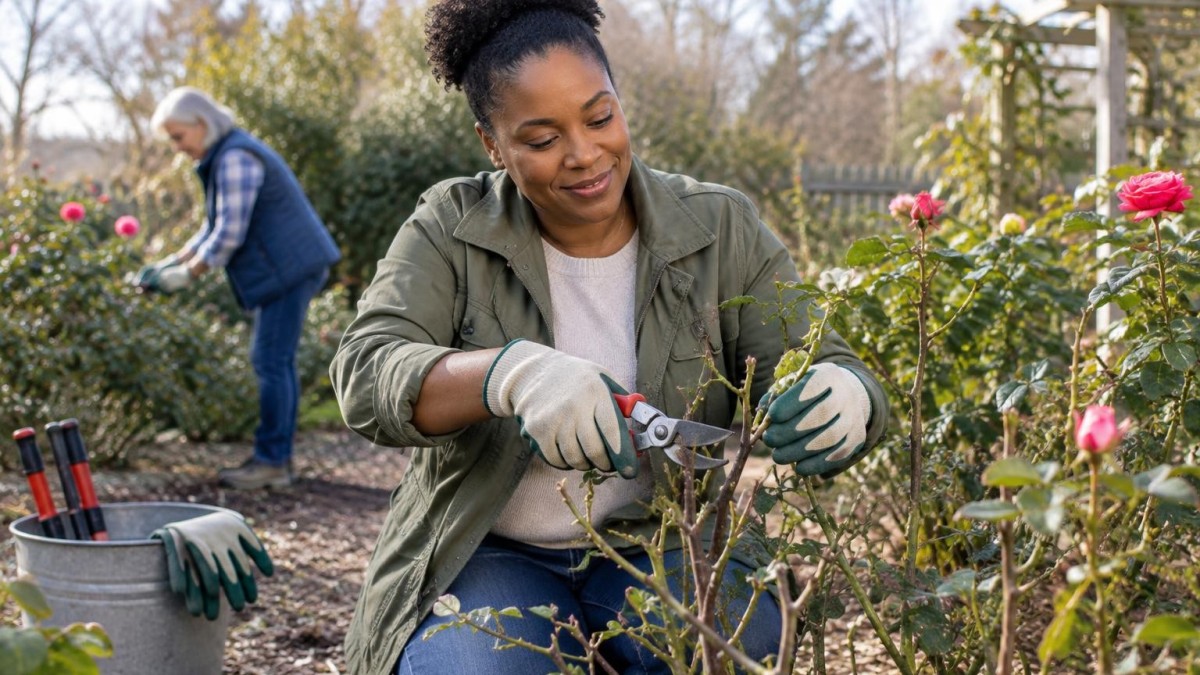
Sharp, clean pruning shears are your best friends, along with long-handled loppers for thicker canes and sturdy gloves to guard against sharp thorns. Clean your tools especially if moving between plants to reduce disease spread. Taking a moment to thoroughly assess your rose before pruning helps you identify dead, diseased, or damaged canes that should be removed right down to healthy wood just above a bud or branch junction.
Watch for suckers sprouting below the graft union in grafted roses, as these can sap the plant’s strength. Remove these at their origin to keep your rose focused on healthy growth.
Shaping and Encouraging Healthy Growth
After clearing out dead wood, thin the plant by removing weak, spindly canes and those crossing or crowding the center. This improves airflow and sunlight exposure, key factors for disease prevention and strong growth. When making cuts, do so just above a healthy bud facing outward, cutting at a slight angle to prevent water from standing on the wound. Avoid over-pruning—tailor your cuts based on your rose’s variety, health, and growth habit rather than following strict height rules.
Pruning: Tailored to Your Rose Type
Hybrid teas and grandifloras usually need fairly substantial pruning in late winter to encourage vigorous blooms. Floribundas and polyanthas respond well to pruning that keeps the plant compact and open. Shrub and landscape roses often require lighter pruning, mainly to remove damaged or crossing branches. Climbing roses demand special care: preserve the main structural canes, prune based on bloom type and season, and train them properly on supports.
If unsure about your rose’s category or bloom habits, consult tags or reference materials before heavy pruning to avoid cutting important flowering wood.
Seasonal Deadheading and Aftercare
Throughout the growing season, removing spent flowers—deadheading—can boost further blooms in many repeat-flowering roses. Some modern landscape roses may self-clean and require less maintenance, so celebrate your rose’s unique needs. Post-pruning care is vital: water at the base to keep foliage dry, mulch to retain moisture and suppress weeds, and maintain good airflow by monitoring plant health regularly.
Spot diseases and pests early, removing affected foliage promptly. Proper pruning combined with attentive care makes rose maintenance less daunting. Understanding your rose’s structure and specific habits ensures your pruning nurtures healthy, beautiful plants rich with blooms season after season.
Newsletter Station provides professionally written, ready-to-send newsletters customized for your market and brand.
EXPLORE NEWSLETTER OPTIONS