
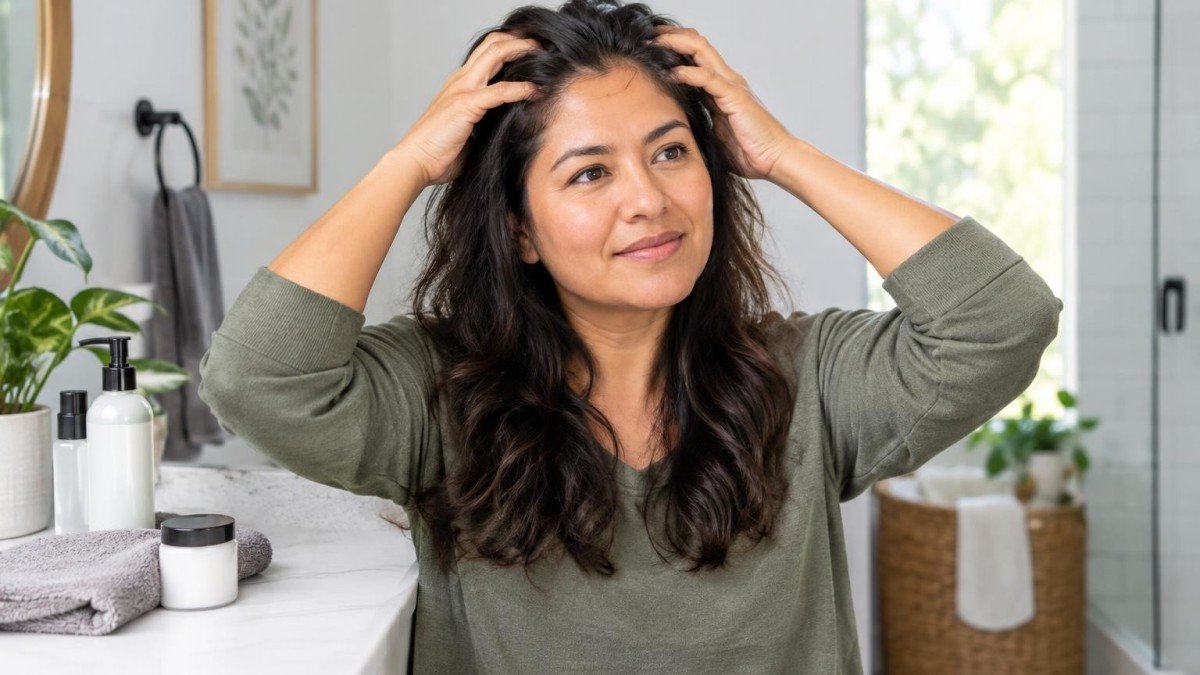
Understanding Dry Scalp and Dandruff
Maintaining a healthy scalp is key to keeping your hair and skin comfortable and vibrant. While dry scalp and dandruff often look similar, they have different causes. Dry scalp usually means a lack of moisture, resulting in small, dry flakes. Dandruff, on the other hand, is linked to excess oil and a yeast called Malassezia, causing larger flakes and sometimes itching. Recognizing the difference helps in choosing the right care routine.
Effective Scalp Care Habits
Start by drinking enough water throughout the day to stay hydrated—this supports overall skin health but isn’t a quick fix for dryness. Selecting gentle, fragrance-free shampoos can prevent irritation, especially if you notice tightness or itchiness after washing. For dandruff, shampoos containing active ingredients like ketoconazole or zinc pyrithione may be appropriate, but follow package directions closely.
Establish a hair-washing schedule that suits your scalp type and hair needs. Washing too little can allow buildup of oils and flakes, while overwashing or harsh shampoos might strip natural oils and worsen dryness. When shampooing, use your fingertips gently to avoid scratching, and choose lukewarm water over hot to protect your scalp's natural oils. Limit heat styling tools or use them on moderate settings to prevent further dryness or damage.
Protecting Your Scalp and Lifestyle Tips
Your scalp is skin that needs sun protection, especially if hair is thin or shaved. Wearing a hat or applying scalp-specific sunscreen during outdoor activities helps avoid sun damage. A balanced diet rich in proteins, fruits, vegetables, whole grains, nuts, and healthy fats supports hair and skin health, but supplements aren’t always necessary unless advised by a healthcare professional.
Managing stress through good sleep, exercise, and relaxation can improve scalp conditions, as stress can exacerbate irritation. Pay attention to how new hair products or medications affect your scalp and discontinue those that cause problems.
When to Consult a Dermatologist
If flakes persist despite proper care, or if you experience intense itching, redness, swelling, pain, thick scales, sores, or sudden hair loss, it's time to see a dermatologist. Some scalp conditions require specialized treatments beyond over-the-counter products. Remember, gentle and consistent care tailored to your scalp’s response is the best way to maintain scalp health and keep flaking under control.
Newsletter Station provides professionally written, ready-to-send newsletters customized for your market and brand.
EXPLORE NEWSLETTER OPTIONS