
FEATURE ARTICLE
Exploring the Differences Between Termites and Carpenter Ants
Aug 27, 2025
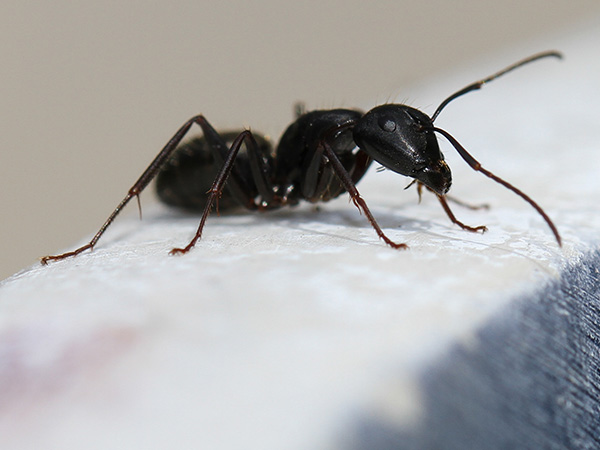
Termites and carpenter ants are two common pests that can wreak havoc on your home. Still, their distinct differences can help you identify and address an infestation effectively. While both insects are known for causing structural damage, understanding their unique characteristics is crucial for effective pest control and prevention.
In this blog, we will delve into the key differences between termites and carpenter ants to help you distinguish between the two and take appropriate action.
Physical Characteristics
Suppose you suspect a termite or carpenter ant infestation. In that case, it's advisable to consult with a pest control professional to assess the extent of the problem and develop a tailored solution to protect your home. Early detection and intervention are crucial to minimizing damage and preserving the structural integrity of your property.
In this blog, we will delve into the key differences between termites and carpenter ants to help you distinguish between the two and take appropriate action.
Physical Characteristics
- Size and Color:
Termites: Termites are usually small, ranging from 1/4 to 1/2 inch in length. They are generally pale or translucent, making them difficult to spot.
Carpenter Ants: Carpenter ants, on the other hand, are larger, typically measuring between 1/4 and 3/4 inch in length. They are usually black, red, or a combination of these colors. - Body Shape:
Termites: Termites have straight, broad-waisted bodies with short antennae. Their wings are equal in length and are often translucent.
Carpenter Ants: Carpenter ants have a narrow-waisted body with a distinct "hourglass" shape. They have long, elbowed antennae and wings of unequal length, with the front wings being longer than the hind wings.
- Diet:
Termites: Termites primarily feed on cellulose-rich materials, such as wood, paper, and cardboard. They can cause significant structural damage by consuming wooden structures.
Carpenter Ants: Carpenter ants do not eat wood but excavate galleries within it to create nests. They primarily feed on other insects, sweets, and protein-rich foods. - Nesting Behavior:
Termites: Termites build nests underground or within wood structures. Their nests are hidden from view, making them challenging to detect.
Carpenter Ants: Carpenter ants create nests in moist, decaying wood. They do not eat the wood but hollow it out to create tunnels and chambers for their colony.
- Sawdust or Frass:
Termites: Termites leave behind tiny, pellet-like droppings called "frass" as they tunnel through wood. These pellets are often found near entry points.
Carpenter Ants: Carpenter ants produce coarse wood shavings and debris while excavating their nests. This sawdust is typically found near their nesting sites. - Winged Swarmers:
Termites: Winged termites, also known as "swarmers," emerge from their nests during mating season and can be seen flying near light sources. They shed their wings after mating.
Carpenter Ants: Winged carpenter ants, too, emerge during mating season. However, they retain their wings and do not shed them.
Suppose you suspect a termite or carpenter ant infestation. In that case, it's advisable to consult with a pest control professional to assess the extent of the problem and develop a tailored solution to protect your home. Early detection and intervention are crucial to minimizing damage and preserving the structural integrity of your property.