
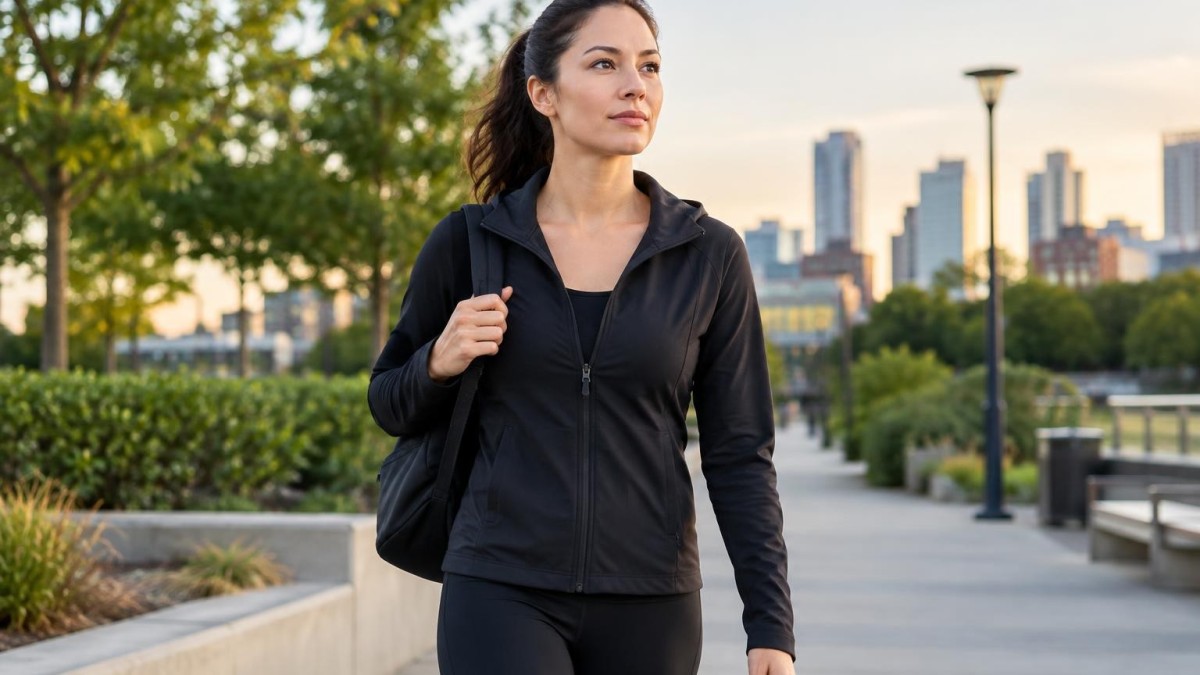
Start With Awareness and Assertiveness
Feeling safe in daily life is important for every woman—whether walking to a car, jogging outdoors, or visiting new places alone. A key step is developing situational awareness. This means staying alert to your surroundings, noticing unusual behavior, and spotting possible risks early. For example, when approaching your car, observe if someone is loitering nearby or if the area is well-lit. Avoid distractions like loud music or your phone that can pull attention away from what's happening around you.
Alongside awareness, practicing verbal assertiveness can help set clear boundaries. Simple, firm phrases like "Stop," "Back off," or "Leave me alone" can discourage unwanted attention. It’s perfectly okay to be direct and unapologetic when protecting your space. Remember, if the person doesn’t back down, focus on creating distance and safely exiting the situation.
Use Confident Body Language
How you carry yourself influences both your mindset and how others perceive you. Walk with purpose, hold your head up, and keep a steady pace. Keep your essentials, like keys and phone, easy to reach to avoid fumbling in critical moments. Keeping a confident posture doesn’t guarantee safety, but it helps you stay alert and ready to act.
Learn Physical Self-Defense Basics
While it’s best to avoid physical confrontations, knowing some basic moves can be crucial if you need to escape an immediate threat. Attending a self-defense class tailored for women can teach open-hand strikes, protective positioning, and how to maintain balance while moving away from danger. These classes focus on practical techniques aimed at creating a chance to leave—not prolonged fighting. They also cover escape strategies from common holds or grabs, emphasizing practicing with trained instructors so you can build confidence safely.
If you ever fall or get knocked down, basic ground-defense skills can help protect vulnerable areas and teach you how to get back up safely. Some programs incorporate simple moves from martial arts, prioritizing practical, easy-to-learn techniques over complex maneuvers.
Consider Safety Tools and Planning
Personal safety devices like alarms or whistles can attract help if you’re in trouble. Phones with emergency features and quick-access contacts are also important tools. For those in areas where legal, pepper spray might be considered but always learn the proper use and laws related to it. These tools work best when combined with awareness and training, not as stand-alone solutions.
Having a safety plan can further enhance your confidence. Share your plans with trusted people, choose public meeting places, and familiarize yourself with emergency functions on your phone. Preparation helps you respond calmly if a situation arises.
Keep Practicing and Stay Empowered
Self-defense isn’t a one-time lesson but an ongoing commitment. Regular practice keeps skills fresh and builds confidence. Choose courses that emphasize realistic scenarios and provide supportive environments for learning.
Ultimately, self-defense is about increasing your options and readiness, not cultivating fear. Understanding your surroundings, confidently expressing boundaries, knowing how to protect yourself physically, and having a plan can all contribute to safer, more empowered daily experiences.
Newsletter Station provides professionally written, ready-to-send newsletters customized for your market and brand.
EXPLORE NEWSLETTER OPTIONS