
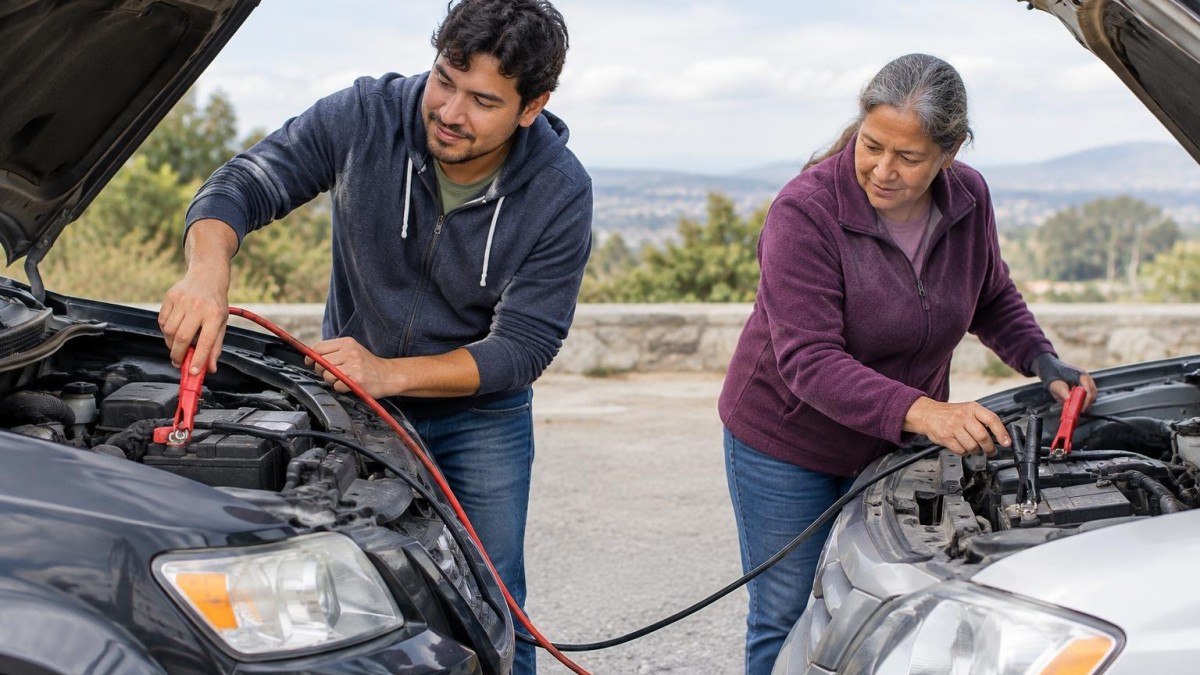
Prepare Properly Before You Start
Encountering a dead car battery can be frustrating, especially when you're in a hurry. Before you attempt to jumpstart your vehicle, make sure you have the right equipment on hand: high-quality jumper cables and a second vehicle with a fully charged, healthy battery. Having these ready will make the process smoother and safer.
Set Up the Vehicles Safely
Position both vehicles close enough so the jumper cables can reach between the batteries, but be certain the cars don’t touch each other. Ensure both cars are turned off and in "park" or "neutral." Apply the parking brakes on both vehicles to prevent any accidental movement during the process.
Connect Jumper Cables with Care
Identify the positive (usually red and marked with a "+") and negative (usually black and marked with a "-") terminals on each battery. Begin by attaching one end of the red (positive) jumper cable to the positive terminal of the working battery. Then, connect the other end of this red cable to the positive terminal of the dead battery.
Next, attach one end of the black (negative) jumper cable to the negative terminal of the good battery. Instead of connecting the remaining end directly to the dead battery’s negative terminal, clip it onto an unpainted metal surface on the disabled car’s engine block or chassis. This grounding step minimizes the risk of sparks near the battery, which could be hazardous.
Jumpstart and Disconnect Safely
Start the engine of the assisting vehicle and let it run for a few minutes to charge the dead battery. Then, try starting your stalled vehicle. If it starts, allow both cars to run a few more minutes to ensure sufficient charging. When disconnecting jumper cables, reverse the order you connected them: remove the black cable from the grounded metal on your car, then the black cable from the good battery, followed by the red cable from your battery, and finally the red cable from the donor car.
Once jumpstarted, drive your vehicle for at least 15 to 20 minutes to help recharge the battery fully. This can reduce the chance of the battery dying again shortly after.
Jumpstarting your car can quickly get you back on the road, but remember to always prioritize safety. If at any point you feel unsure, it's wise to call a professional mechanic or roadside assistance to handle the situation.
Newsletter Station provides professionally written, ready-to-send newsletters customized for your market and brand.
EXPLORE NEWSLETTER OPTIONS