
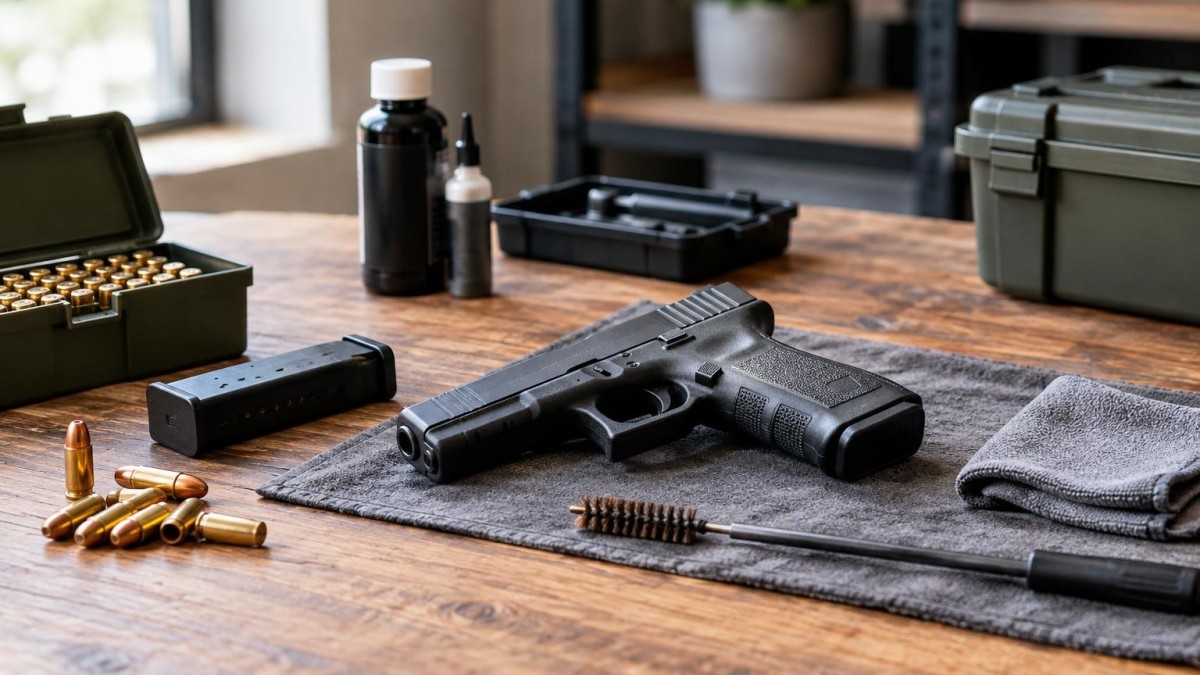
Common Reasons Firearms Malfunction
Firearms, while engineered for reliability, can sometimes fail due to a range of issues. The usual culprits behind common malfunctions include ammunition problems, wear and tear on parts, insufficient maintenance, and magazine faults.
Understanding Ammunition Issues
Malfunctions often start with the ammo. Cartridges might be damaged, dirty, or improperly stored, which can lead to misfires (when a round doesn’t fire at all), hangfires (delayed firing), or squib loads (insufficient force propelling the bullet). These irregularities can be dangerous, so if something seems off, always treat the firearm as potentially loaded and follow safety protocols.
It's important to use the right ammunition for your firearm and store it carefully to avoid contamination or damage. Avoid using ammo that looks corroded or compromised in any way.
Mechanical Components and Maintenance
The firing mechanism is critical; if parts within are worn or damaged, the firearm might not operate properly. Never attempt to fix internal issues yourself—improper repairs can increase safety risks. Instead, have a qualified gunsmith inspect and repair any suspected problems.
The extractor and ejector help remove spent cartridges. If rounds get stuck or don’t eject correctly, stop firing and assess the situation carefully. Repeatedly trying to cycle the gun without resolving the issue can cause damage or injury. Refer to your owner's manual or seek professional help when in doubt.
Magazines also play a big role in feeding rounds reliably. Damaged or dirty magazines can cause jams. Don’t force problematic magazines; inspect them regularly and replace when necessary following the manufacturer's guidelines.
Poor maintenance can lead to malfunctions. Dirt, corrosion, or excessive residue can interfere with a firearm’s operation. Keep your firearm clean using recommended products and procedures, and inspect it regularly for wear or damage.
Safe Storage and Handling
Proper storage protects both your firearm and ammunition from moisture and damage, preventing corrosion and degradation. Secure storage also prevents unauthorized access. Always follow local laws and manufacturer recommendations for how to store your firearms and ammo safely and separately when needed.
What to Do When a Malfunction Happens
If your firearm malfunctions, do not try to diagnose or fix it on the spot. Keep it pointed in a safe direction, keep your finger off the trigger, and follow safety procedures. Continuing to use a malfunctioning firearm risks injury or damage.
When in doubt, have the firearm checked by a professional. Responsible firearm ownership means recognizing when to stop and seek expert help, alongside diligent maintenance and proper ammunition use.
Newsletter Station provides professionally written, ready-to-send newsletters customized for your market and brand.
EXPLORE NEWSLETTER OPTIONS