
FEATURE ARTICLE
The Best Way to Dry Carpet
Aug 13, 2025
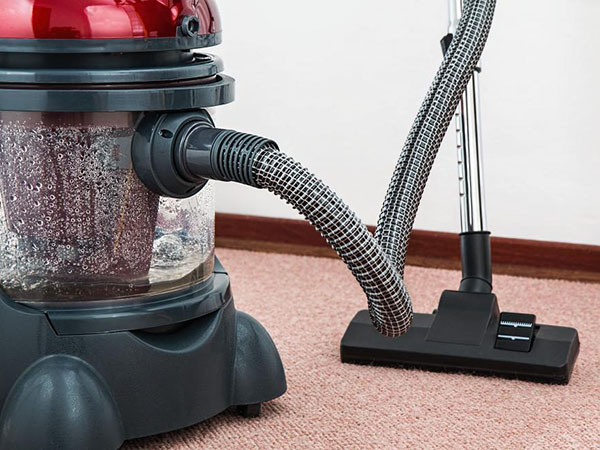
Carpets add warmth, comfort, and aesthetic appeal to our homes, but they are also prone to spills, accidents, and water damage. When your carpet gets wet, whether from a spill or a cleaning process, it's crucial to dry it properly to prevent mold, mildew, and other potential issues.
In this blog, we will explore the best way to dry a carpet, ensuring it remains clean, fresh, and free from damage.
In cases of extensive damage, don't hesitate to seek professional assistance to safeguard the longevity and appearance of your carpet.
In this blog, we will explore the best way to dry a carpet, ensuring it remains clean, fresh, and free from damage.
- Act Quickly
The first and most important step when dealing with a wet carpet is to act promptly. The longer you leave a wet carpet untreated, the greater the chance of mold and mildew growth. Whether it's a spill or a cleaning mishap, the key is to remove the moisture as soon as possible. - Blot, Don't Rub
When dealing with a spill, it's essential to blot the affected area instead of rubbing it vigorously. Rubbing can push the liquid deeper into the carpet fibers and potentially damage them. Use a clean, absorbent cloth or paper towels to gently blot the area until it's as dry as possible. - Remove Furniture and Raise the Carpet
If the entire carpet is soaked, it's best to remove furniture from the room to prevent further damage and promote thorough drying. Lift the carpet edges, if possible, to allow airflow underneath. This can be achieved by using bricks or wooden blocks to elevate the corners of the carpet. - Use Fans and Ventilation
Proper airflow is crucial for drying a carpet effectively. Use fans to circulate air over the wet area. Opening windows and doors to encourage natural ventilation can also help expedite the drying process. The more airflow you can introduce, the quicker your carpet will dry. - Dehumidifiers
In cases of significant water damage or if you live in a particularly humid climate, using a dehumidifier is highly recommended. A dehumidifier helps remove excess moisture from the air, which can accelerate the drying process and prevent mold growth. - Steam Clean or Dry Extraction
If you've cleaned your carpet and it's still damp, you can use a steam cleaner or dry extraction method to remove excess moisture. These methods not only clean but also help in the drying process. Make sure to follow the manufacturer's instructions for your specific carpet cleaner. - Baking Soda and Vacuuming
After your carpet has dried completely, sprinkle a layer of baking soda over it. Let it sit for about 15-20 minutes to absorb any lingering odors and moisture. Then, vacuum the carpet thoroughly to remove the baking soda and refresh the fibers. - Professional Help
For severe water damage or extensive cleaning, it's wise to consult with professional carpet cleaning services. They have the equipment and expertise to handle the most challenging situations and ensure your carpet is thoroughly cleaned and dried.
In cases of extensive damage, don't hesitate to seek professional assistance to safeguard the longevity and appearance of your carpet.