
Protecting Your Car's Exterior from Hail: Tips and Tricks
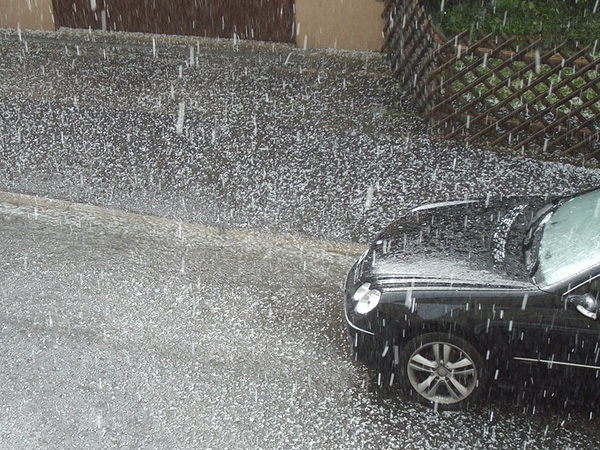
Hail can cause surprisingly expensive damage to a vehicle in just a few minutes. Depending on its size and the storm's strength, hail can leave dents across the hood, roof, trunk, and doors; crack or break windows; and damage exterior trim and paint.
You can't prevent a hailstorm, but you can reduce the likelihood of damage by paying attention to weather conditions and knowing what to do before and during a storm. A few practical precautions can also make the insurance and repair process easier if your vehicle is damaged.
- Pay Attention to Severe Weather Forecasts
Staying informed is one of the simplest ways to protect your vehicle. Check your weather app or local forecast when severe thunderstorms are expected, particularly if your area is under a severe thunderstorm watch or warning.
If hail is in the forecast, move your car into a garage, carport, or other secure covered location before the storm arrives. Don't wait until hail is already falling to look for shelter.
Weather radar can also give you a better idea of when a storm is approaching, but forecasts aren't always precise about exactly where hail will fall. If severe weather is developing nearby, it's better to be cautious. - Park in a Garage or Other Solid Shelter
A garage provides the most reliable protection from hail. If you don't have access to one, a covered parking garage or sturdy carport can also help shield your vehicle.
When you're away from home, consider where you can safely park if a storm develops. A parking garage or other substantial covered structure is preferable to relying on trees or temporary coverings.
Don't use a structure that could itself become dangerous during severe weather. Your safety should come before protecting the vehicle. - Consider a Hail-Resistant Car Cover
A standard lightweight car cover isn't necessarily designed to protect against hail. If hail is a recurring concern where you live, look for a heavy-duty, padded cover specifically marketed for hail protection.
A properly fitted cover can provide an additional layer between the hailstones and the vehicle's exterior. Follow the manufacturer's instructions for securing it, since strong winds can turn a poorly secured cover into a hazard.
A car cover is best used as a supplement to good parking choices—not as a reason to leave a vehicle exposed during a major storm when solid shelter is available. - Don't Rely on Blankets or Towels as Your Main Protection
If a storm catches you without a specialized cover, you may be tempted to cover the vehicle with blankets, towels, or other household materials. These may provide some cushioning from smaller hail, but they are not a dependable substitute for a purpose-built hail cover or solid shelter.
If you use anything as a temporary covering, make sure it is secured without damaging the vehicle and won't become loose in high winds. Avoid spending time outside trying to cover your car once hail or dangerous winds have begun. - Be Careful About Parking Under Trees
Trees can protect against smaller hail, but they also pose another risk during severe thunderstorms: falling branches.
If strong winds, lightning, or heavy rain are accompanying the storm, parking beneath a large tree may expose your vehicle to damage from broken limbs. A sturdy building or parking structure is generally a safer choice when one is available. - Know What to Do If Hail Starts While You're Driving
If hail begins falling while you're on the road, slow down and look for a safe place to pull over. A substantial covered parking area or other appropriate shelter may protect your vehicle.
Don't stop in a travel lane, on the shoulder of a busy highway unless necessary, or beneath an overpass to avoid hail. Overpasses can create serious traffic hazards, and other drivers may have limited visibility during the storm.
If you cannot reach shelter safely, stay in the vehicle with your seat belt fastened and avoid unnecessary travel until conditions improve. Your safety matters more than avoiding dents. - Understand How Your Insurance Covers Hail Damage
Hail damage is generally covered under the comprehensive portion of an auto insurance policy, not collision coverage. Comprehensive coverage is optional in many states, though a lender or leasing company may require it.
Before storm season, review your policy so you know your comprehensive deductible and coverage limits. For example, if your deductible is $1,000 and hail causes $3,000 in covered damage, you would generally be responsible for the first $1,000, subject to your policy terms.
Coverage can vary, so don't assume that every type of storm-related damage is handled the same way. Your insurance agent or carrier can explain how your particular policy applies. - Inspect Your Vehicle After a Storm
Hail damage isn't always obvious right away. Walk around the vehicle after a storm and look for dents, cracked glass, damaged mirrors, chipped paint, or other signs of impact.
Check the roof, hood, trunk, doors, and side panels carefully. If you suspect damage, take clear photographs before making repairs or removing evidence of the damage. Contact your insurance company promptly if you plan to file a claim and follow its instructions for obtaining an estimate or inspection.
Don't assume a vehicle is undamaged simply because there are no large dents. Smaller impacts can still affect the exterior finish or other components.
Protecting your car from hail starts before the storm arrives. Watching severe weather forecasts, using solid shelter whenever possible, and knowing how to respond if hail catches you on the road can significantly reduce the risk of damage. It's also worth reviewing your comprehensive auto insurance coverage ahead of time so you aren't trying to figure out your deductible and coverage after a storm has already hit.