
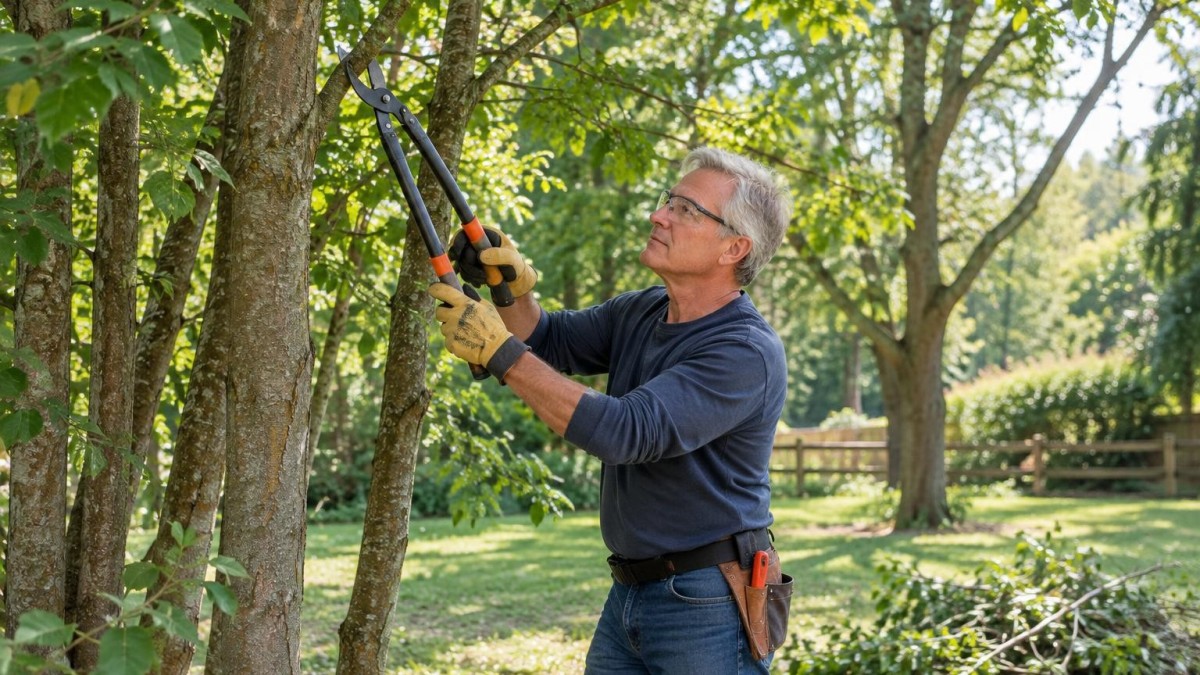
Why Thinning Trees Matters
When trees grow too close together, they compete for sunlight, nutrients, and water, which can stunt their growth and make them more vulnerable to pests and diseases. Thinning overcrowded trees helps to improve air circulation and access to resources, promoting stronger, healthier growth and a more balanced landscape.
Planning and Selecting Trees to Thin
Begin by assessing the health and characteristics of your trees. Identify any that are weak, diseased, or less desirable, and consider removing these first. Aim to maintain healthy, robust trees that add value to your landscape. Determine appropriate spacing based on tree species and site conditions—typically, spacing between 10 to 15 feet encourages natural development without overcrowding.
Timing and Safety Considerations
The best time to thin trees is usually during their dormant season, such as late winter or early spring, to minimize stress and the risk of disease. Always prioritize safety by wearing proper protective gear like gloves, safety glasses, and hard hats. If you're uncomfortable with using tools or working at heights, hiring a professional arborist is a wise choice.
Maintaining Aesthetic and Environmental Balance
Thinning changes the look of your landscape, so plan cuts to preserve a visually appealing balance. Removing the right trees creates space and resources for remaining ones while enhancing the overall health and beauty of your garden or woodland. Clean up debris promptly to prevent hazards and reduce the chance of pest infestations.
Ongoing Care and Observation
Thinning isn’t a one-time fix. Monitor your trees regularly to track their health and growth. Be ready to make additional adjustments over time to keep your trees thriving and ensure a sustainable, vibrant environment well into the future.
Newsletter Station provides professionally written, ready-to-send newsletters customized for your market and brand.
EXPLORE NEWSLETTER OPTIONS