
FEATURE ARTICLE
Understanding Run-Flat Tires: Safety and Convenience on the Road
Aug 6, 2025
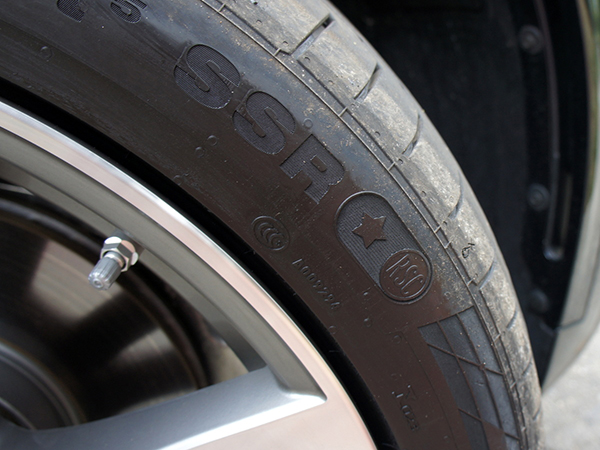
Run-flat tires have become increasingly popular in recent years, and for good reason. They offer a convenient and safer alternative to traditional tires, especially when a flat tire can spell trouble.
In this blog, we'll delve into the world of run-flat tires, exploring what they are, how they work, their benefits, and some potential drawbacks.
What Are Run-Flat Tires?
Run-flat tires, self-supporting or zero-pressure tires, are specially designed tires that can continue functioning even after losing air pressure due to a puncture. Traditional tires lose their ability to support the vehicle when the air pressure drops significantly, leading to a potentially dangerous situation. On the other hand, run-flat tires are designed to maintain their shape and support the vehicle's weight for a limited distance, even when flat.
How Do Run-Flat Tires Work?
The key to the functionality of run-flat tires lies in their reinforced sidewalls. These sidewalls are constructed with stiffer materials to support the vehicle's weight even when the tire has lost air pressure. When a run-flat tire experiences a puncture, the reinforced sidewalls prevent the tire from collapsing or shredding, allowing you to continue driving at a reduced speed and for a limited distance.
Benefits of Run-Flat Tires
Whether run-flat tires are the right choice for your vehicle depends on your driving needs, priorities, and budget. Before making a decision, it's essential to weigh the benefits against the drawbacks and consider your specific driving habits and circumstances.
In this blog, we'll delve into the world of run-flat tires, exploring what they are, how they work, their benefits, and some potential drawbacks.
What Are Run-Flat Tires?
Run-flat tires, self-supporting or zero-pressure tires, are specially designed tires that can continue functioning even after losing air pressure due to a puncture. Traditional tires lose their ability to support the vehicle when the air pressure drops significantly, leading to a potentially dangerous situation. On the other hand, run-flat tires are designed to maintain their shape and support the vehicle's weight for a limited distance, even when flat.
How Do Run-Flat Tires Work?
The key to the functionality of run-flat tires lies in their reinforced sidewalls. These sidewalls are constructed with stiffer materials to support the vehicle's weight even when the tire has lost air pressure. When a run-flat tire experiences a puncture, the reinforced sidewalls prevent the tire from collapsing or shredding, allowing you to continue driving at a reduced speed and for a limited distance.
Benefits of Run-Flat Tires
- Enhanced Safety:
Run-flat tires significantly reduce the risk of sudden flat tires, such as loss of control and accidents. They provide drivers with more control over their vehicles in emergencies. - Convenience:
With run-flat tires, you can keep driving for a short distance to reach a safe location or a nearby repair shop, eliminating the need for immediate tire changes on the side of the road. - No Spare Tire Needed:
Since run-flat tires allow you to continue driving even after a puncture, you can eliminate the need to carry a spare tire in your vehicle. This frees up space and reduces the weight of your vehicle, potentially improving fuel efficiency. - Peace of Mind:
Knowing that you have run-flat tires installed can give you peace of mind while driving, especially on long trips or in areas where tire service may be limited.
- Limited Range:
Run-flat tires are not meant for extended driving after a puncture. They can typically only be driven for 50 miles at reduced speeds. This limitation means you will still need to address the issue relatively quickly. - Ride Comfort:
Some drivers find that run-flat tires offer a slightly harsher ride compared to traditional tires, primarily due to the reinforced sidewalls. However, this difference in ride comfort can be subtle and may not be noticeable to everyone. - Cost:
Run-flat tires tend to be more expensive than regular tires, and they can also be more challenging to repair in the event of a puncture. This can increase maintenance costs over time.
Whether run-flat tires are the right choice for your vehicle depends on your driving needs, priorities, and budget. Before making a decision, it's essential to weigh the benefits against the drawbacks and consider your specific driving habits and circumstances.