
Understanding and Tackling Mold
Mold often shows up in damp parts of your home like bathrooms, basements, and near leaks. While it can appear as dark spots or cause musty odors, its presence isn’t just unpleasant—it can also worsen allergies and breathing issues for some people.
Since mold spores are a natural part of indoor and outdoor air, the real challenge is controlling moisture so these spores don’t settle and grow.
Safe and Effective Mold Cleaning
Before you start cleaning, pinpoint and fix the moisture causing mold growth, whether it’s a leak, condensation, or high humidity. Cleaning without addressing this will only give temporary results.
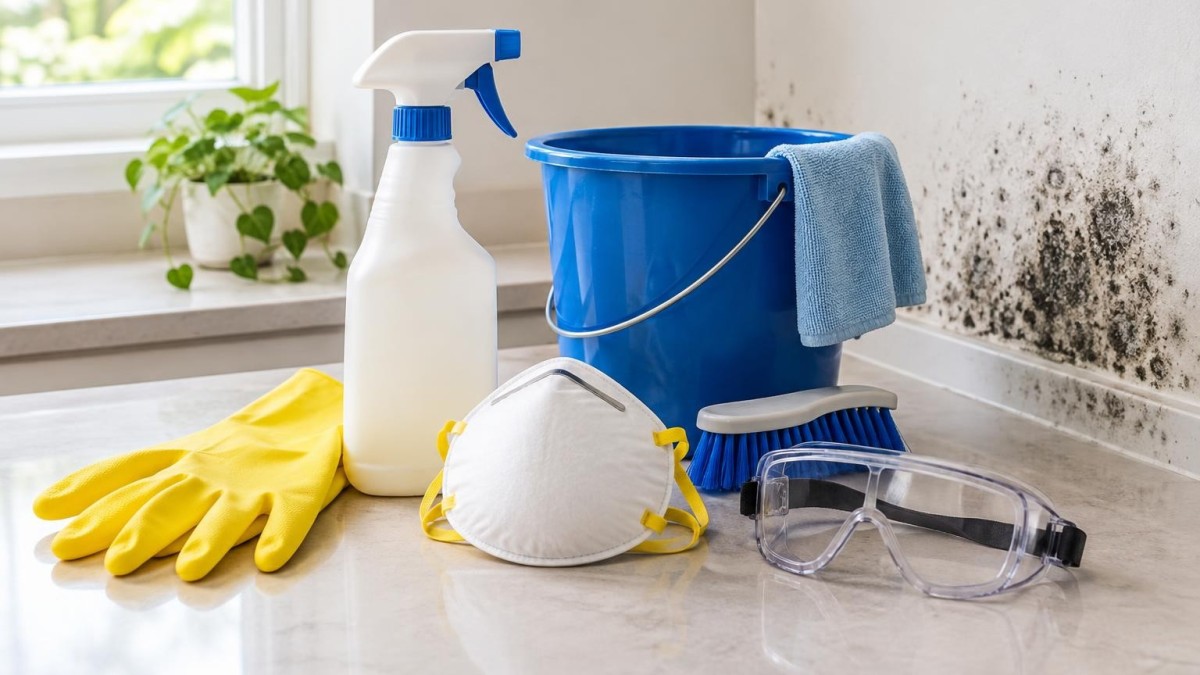
If the affected area is small and on hard surfaces, you can often clean it yourself. Wear protective gear like an N95 respirator, gloves, and goggles to reduce exposure to mold spores. For larger infestations—about 10 square feet or more—or serious water damage, it’s best to consult a professional.
Use detergent and water to scrub mold from hard surfaces, then dry the area thoroughly. While bleach can be used in diluted amounts (one cup per gallon of water), it isn’t always necessary and should never be mixed with other cleaners to avoid harmful fumes.
Porous materials like drywall, carpets, or insulation that are moldy usually need replacing, as they can retain spores even after cleaning. After cleaning, make sure the space stays dry—use fans and dehumidifiers as needed and keep drying times under 48 hours to prevent mold regrowth.
Preventing Mold’s Return
Controlling moisture is the most effective way to keep mold away. Keep indoor humidity between 30% and 50%, ideally below 60%, using dehumidifiers in damp spaces. Ventilate kitchens and bathrooms with exhaust fans that vent outside to reduce trapped moisture.
Attend promptly to leaks and watch for condensation on cold surfaces like windows or pipes, which signal moisture issues. Improving insulation and airflow can help reduce damp spots.
Mold-resistant materials can help in moisture-prone areas but aren’t a substitute for proper moisture control and ventilation. Regularly inspect vulnerable spots like under sinks, around tubs, and near windows to catch problems early.
Remember, painting over mold or sealing it off before fixing moisture problems traps the mold beneath, making issues worse.
If mold recurs despite your efforts or is widespread, bringing in professionals can ensure thorough remediation and reduce health risks. Routine mold testing isn’t typically necessary—focus on visible mold removal and moisture control instead.
By staying alert to moisture and addressing mold quickly and safely, you’ll protect your home’s health and comfort in the long run.
Newsletter Station provides professionally written, ready-to-send newsletters customized for your market and brand.
EXPLORE NEWSLETTER OPTIONS