
Common Habits That Weaken Nail Health
Fingernails protect your fingertips and can hint at your overall health when they look smooth and uniform. However, everyday habits can unintentionally damage nails, making them brittle, split, or discolored. These include frequent contact with water and chemicals, nail biting, rough manicures, and using nails as tools.
Nail Biting and Using Nails Improperly
Often overlooked, nail biting can cause jagged edges and skin injuries, letting in germs that might lead to infection. Try identifying moments when you bite your nails, like during stress or downtime, and replace the habit with healthier actions. Keeping nails short can also reduce temptation.
Similarly, fingernails are not meant to open cans, pry objects, or scrape surfaces. Using them as tools can damage the nail plate, causing cracks or lifting that take time to heal. Keep handy tools nearby to prevent this kind of damage.
Manicure Choices and Chemical Exposure
While manicures can beautify nails, frequent use of gel, acrylic, or artificial nails might thin and weaken your natural nails. These treatments involve filing or adhesives that, over time, degrade the integrity of your nails. Taking breaks between applications and choosing salons that sterilize tools properly can help reduce harm.
Handwashing is essential for hygiene but prolonged exposure to water and harsh cleaning chemicals dries out nails and surrounding skin. Protect your hands by wearing gloves during chores and always moisturizing afterward. Cotton-lined gloves help keep tasks comfy while shielding nails.
Maintaining Healthy Nail Care Habits
Cuticles protect the area around your nails from infection, so avoid picking or cutting them aggressively. If you have hangnails, trim them carefully with disinfected tools and moisturize the area.
Overusing nail polish remover, especially acetone-based products, can cause dryness and brittleness. Limit how often you remove polish, take breaks from nail products, and regularly apply moisture to nails and skin.
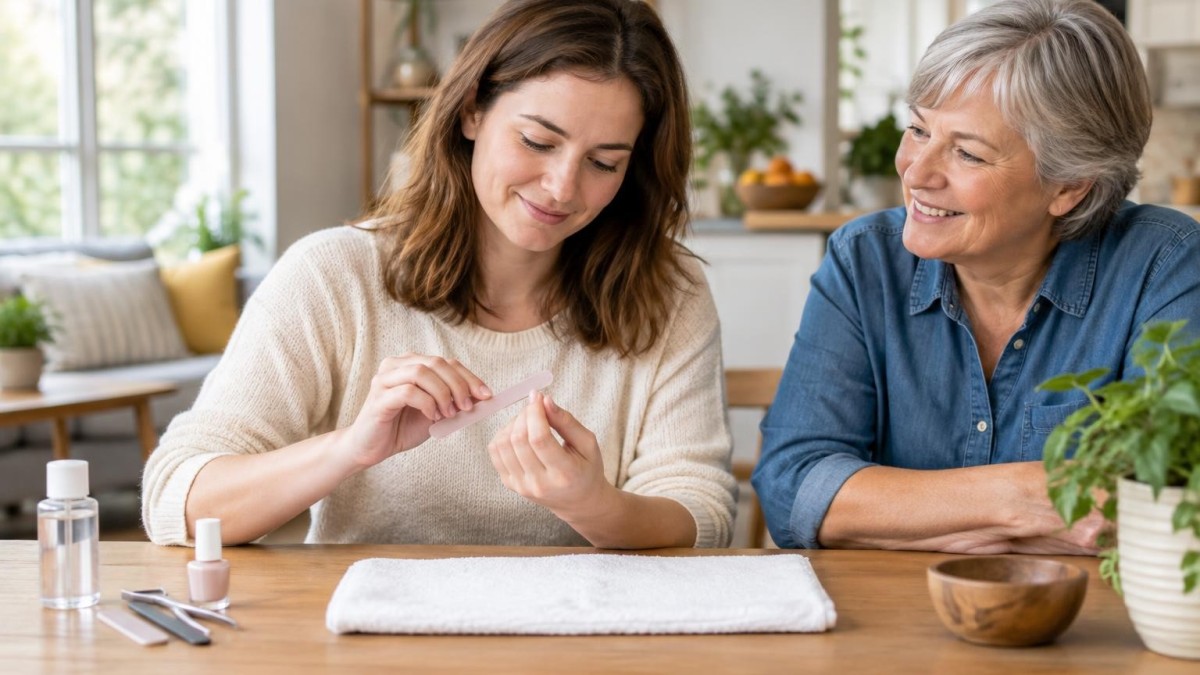
Simple nail care practices go a long way. Keep nails clean and dry, trim carefully using clean tools, and file gently in one direction. Proper sanitation of manicure instruments prevents infections.
While a balanced diet supports nail health, not all nail problems stem from nutrition. Persistent or unusual nail changes should prompt a visit to a healthcare professional for assessment rather than self-diagnosis or supplement use.
Recognizing when nail issues need medical advice is important. Contact a professional if you notice lasting color or texture changes, nail separation, pain, swelling, or other concerning symptoms.
By adopting mindful habits and a straightforward grooming routine, you can protect your nails from common damage and enjoy healthier, stronger nails. Regular moisturizing, avoiding harsh habits, and paying attention to nail changes are effective ways to keep your nails looking and feeling their best.
Newsletter Station provides professionally written, ready-to-send newsletters customized for your market and brand.
EXPLORE NEWSLETTER OPTIONS