
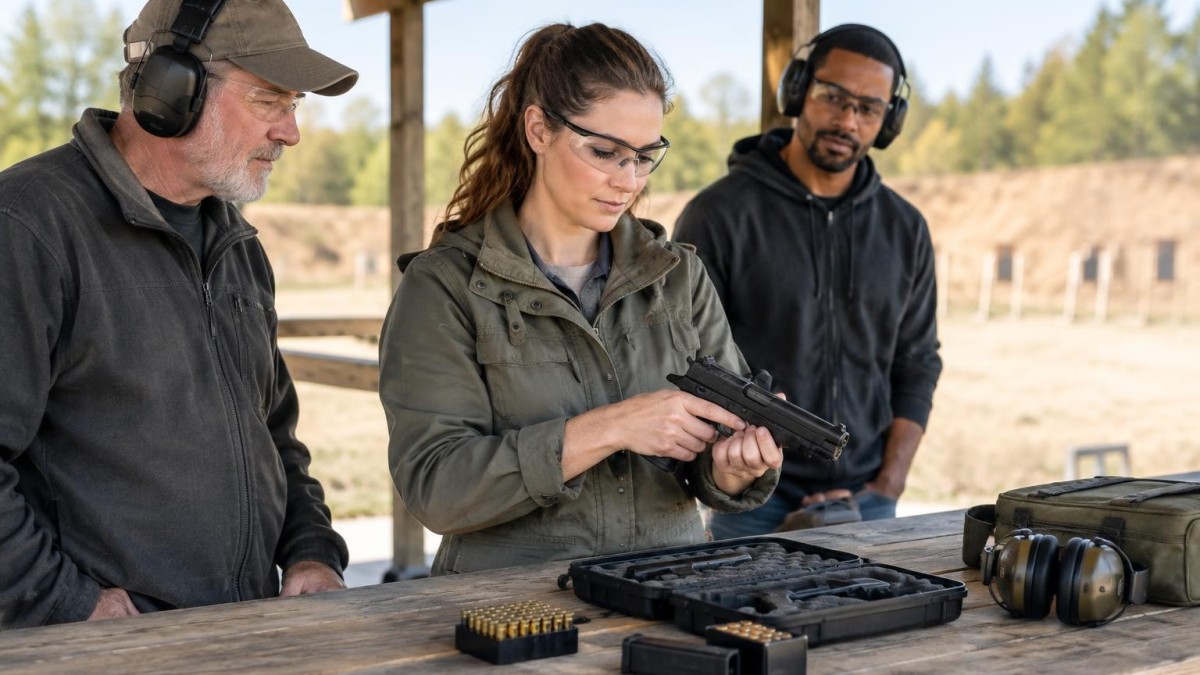
Prepare Thoroughly for Each Session
Success in shooting, whether with a firearm or a camera, begins long before pulling the trigger or clicking the shutter. Arriving at the range or a photoshoot without checking your gear can turn a promising session into a frustrating one. For firearm owners, this means ensuring your weapon is clean, properly maintained, and transported safely, while also reviewing range rules and bringing eye and hearing protection. Photographers should check battery levels, memory capacity, and camera settings beforehand. Creating a straightforward checklist to review before you start can save time and prevent avoidable issues.
Mind Your Stance and Posture
How you position your body significantly influences your stability and control. Poor posture can lead to fatigue, decreased accuracy, and safety risks. Photographers battling camera shake will benefit from a steady, balanced stance or using supports like tripods. Shooters should pay careful attention to balance and tension, ideally under the guidance of a qualified instructor, to build a safe and consistent shooting posture.
Control Breathing to Steady Your Aim
Unsteady breathing causes subtle movements that can affect precision. For photographers, this might translate into blurry shots, especially when using long lenses or slow shutter speeds. Firearm users may find that holding their breath too long or forcing stillness increases tension and reduces accuracy. Practice calm, natural breathing to maintain focus and reduce unnecessary body movement.
Take Your Time and Stay Focused
Rushing can lead to mistakes and compromise safety. Photographers who hurry risk poor exposure or composition, while shooters who feel pressured might break safety protocols. Develop a patient, deliberate routine: double-check your settings or handling, and prioritize awareness over speed. Remember, quality outweighs haste every time.
Follow Through with Awareness
Don’t treat each shot as an isolated event. Photographers who lower their cameras too quickly might miss a fleeting moment just after the initial click. Shooters must remain vigilant after firing—maintain safe firearm positioning and await instructions from range personnel. Maintaining awareness throughout the entire process ensures better outcomes and safer experiences.
Manage Equipment Movement and Recoil
Each piece of equipment brings unique challenges. For photographers, heavier gear or slower shutter speeds can cause movement that blurs images; using stabilization features and supports can help. Shooters need to understand and respect firearm recoil; unfamiliarity can cause flinching or unsafe handling. Selecting gear that matches your skill level and consulting instructors about recoil management are important steps toward confidence and accuracy.
Learn from Every Session
Progress depends on reflection. Photographers can review digital files immediately for focus, lighting, and composition issues, noting patterns to adjust settings or technique. Shooters benefit by keeping notes on their comfort, questions, and any challenges encountered to discuss with an instructor. Post-session analysis, even just a few minutes of thoughtful review, is invaluable in turning mistakes into learning opportunities without overwhelming yourself.
Build Skills Through Quality Practice
Consistent practice is key, but so is practicing smart. Experiment with different conditions and settings, stay patient, and listen to your body and mind—fatigue or frustration signals it’s time for a break. Whether perfecting your aim or capturing a stunning photo, steady improvement comes from attention to fundamentals, safety, and a genuine willingness to learn from each experience.
Newsletter Station provides professionally written, ready-to-send newsletters customized for your market and brand.
EXPLORE NEWSLETTER OPTIONS