
Selecting the Right Grass for Dry Conditions
Maintaining a vibrant lawn during drought starts with choosing grass that can handle dry spells. Warm-season grasses such as Bermuda, Zoysia, and Buffalo grass are known for their drought tolerance compared to cool-season types like Kentucky Bluegrass or Fescue. If your area frequently faces drought, overseeding with drought-resistant varieties can significantly improve your lawn’s ability to withstand water shortages.
Efficient and Thoughtful Watering
When water is limited, every drop counts. The best times to water your lawn are early mornings or evenings when cooler temperatures reduce evaporation. Instead of sprinklers that spray broadly, consider soaker hoses or drip irrigation systems that deliver water directly to the roots. Avoid frequent shallow watering; instead, opt for deeper, less frequent watering sessions to encourage roots to grow downward, enhancing drought resilience.
Smart Lawn Maintenance Practices
Adjusting your mowing routine can help your lawn retain moisture. Raise your mower blades to leave grass longer, which shades the soil and slows moisture loss. Leaving grass clippings on the lawn can act as a natural mulch, conserving moisture and adding nutrients back into the soil. Fertilize with care using slow-release fertilizers to provide steady nutrition without stressing the grass during dry conditions.
Improving Soil Health and Moisture Retention
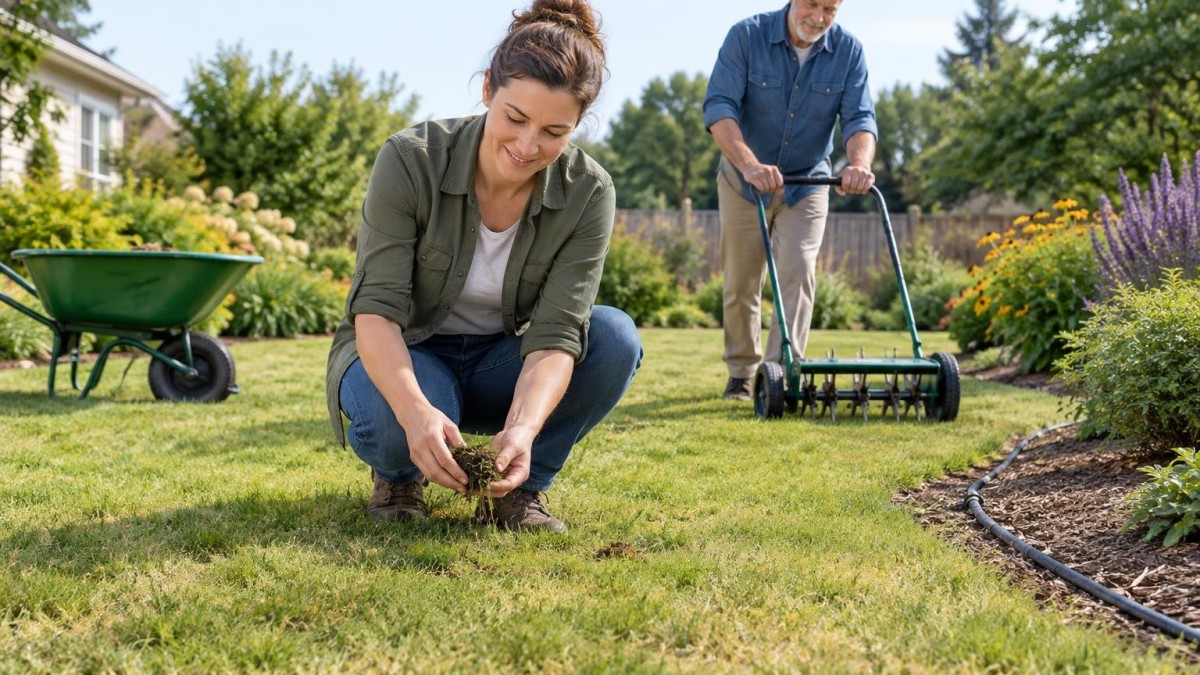
Aeration is a valuable practice to boost your lawn's drought tolerance. It opens up the soil to air, water, and nutrients, promoting deeper root growth. Ideally, aerate during cooler seasons to maximize benefits. Additionally, mulching around plants and garden beds helps retain soil moisture and reduces competition for water among landscape plants. Be cautious not to pile mulch against tree trunks to avoid damage.
Embracing Drought-Tolerant Landscaping
Consider incorporating drought-resistant plants into your garden design. These plants require less water and maintenance while adding beauty and diversity to your outdoor space. Reducing the overall lawn area by mixing in drought-tolerant vegetation can lead to significant water savings and lower upkeep without sacrificing curb appeal.
By selecting appropriate grasses, watering wisely, adjusting mowing habits, fertilizing cautiously, aerating soil, applying mulch, and integrating drought-tolerant plants, you can maintain a healthy and attractive lawn even through dry spells. This approach not only conserves water but also helps keep your lawn cost-effective and environmentally friendly.
Newsletter Station provides professionally written, ready-to-send newsletters customized for your market and brand.
EXPLORE NEWSLETTER OPTIONS