
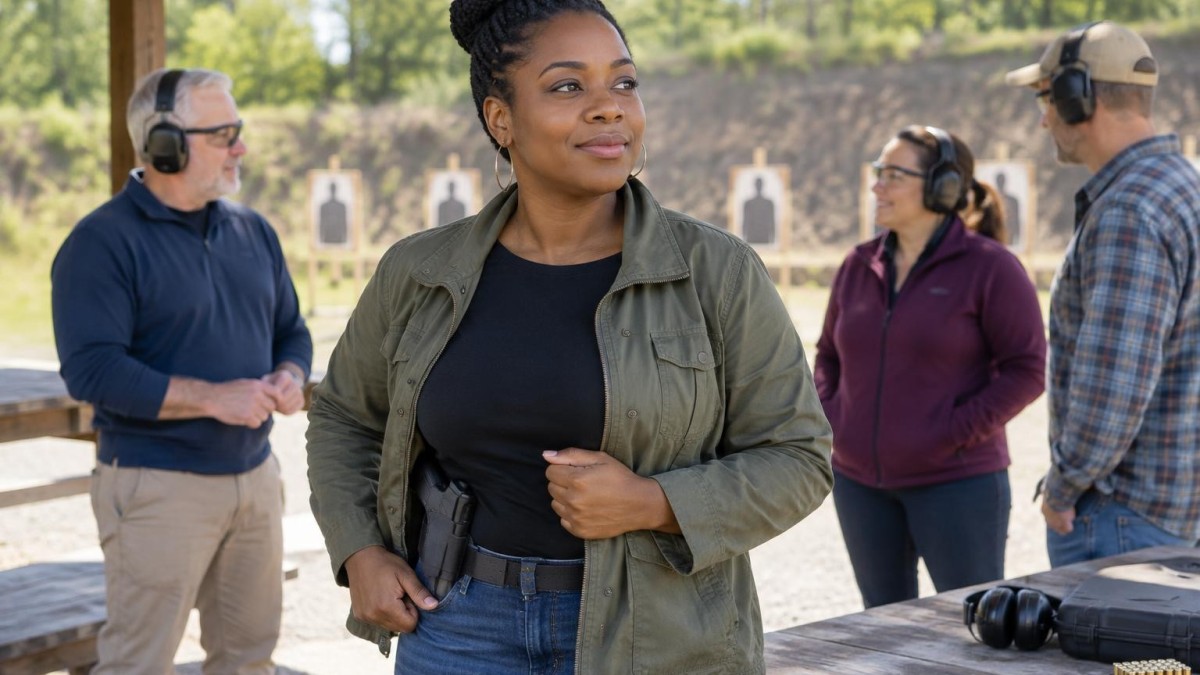
Understanding Constitutional Carry
"Constitutional Carry" or "permitless carry" allows eligible individuals in many states to carry concealed firearms without obtaining a government-issued permit. However, this term can be misleading because it doesn't mean unrestricted or nationwide permission to carry firearms. Each state has its own specific regulations, including age requirements, eligibility criteria, and restrictions on where firearms may be carried.
Legal Context and State Variations
The Second Amendment protects an individual's right to bear arms, as affirmed by Supreme Court rulings like District of Columbia v. Heller and New York State Rifle & Pistol Association v. Bruen. Despite this, states have the authority to regulate firearm possession under historical traditions of firearm regulation, which means certain restrictions and prohibitions remain lawful.
As of mid-2026, 29 states have adopted some form of permitless carry. Yet, the specifics vary, including different minimum age thresholds, rules for open versus concealed carry, and locations where firearms are prohibited. Therefore, even within Constitutional Carry states, you must know your local laws thoroughly.
Carry Permits and Interstate Travel
Not all Constitutional Carry states have eliminated carry permits. Many still issue permits for practical reasons such as reciprocity—allowing firearm owners to legally carry in other states recognizing those permits. Traveling across state lines requires extra caution, as gun laws, including permit recognition, differ widely. A permitless carry status in one state does not guarantee legal carry in another.
Safety, Responsibility, and Legal Limits
Permitless carry does not remove the responsibility to follow federal and state firearm laws. Restrictions on firearm possession, carrying in sensitive areas like schools or government buildings, and private property rules still apply. Carry permits, where required, often include eligibility screening and training requirements, which can enhance safety and preparedness despite not being mandatory in permitless states.
Regardless of permit requirements, responsible firearm ownership includes secure storage to prevent unauthorized access, continuous education on safe firearm handling, and staying up to date on changing laws.
Key Reminders for Firearm Owners
Before carrying your firearm, confirm your legal eligibility, understand your state's open and concealed carry distinctions, check for prohibited locations, and review private property regulations. Always re-check laws when traveling to different states to avoid legal complications.
The landscape of Constitutional Carry is evolving, reflecting ongoing legal debates between preserving Second Amendment rights and maintaining public safety. Staying informed and responsible ensures you exercise your rights lawfully and safely.
Newsletter Station provides professionally written, ready-to-send newsletters customized for your market and brand.
EXPLORE NEWSLETTER OPTIONS