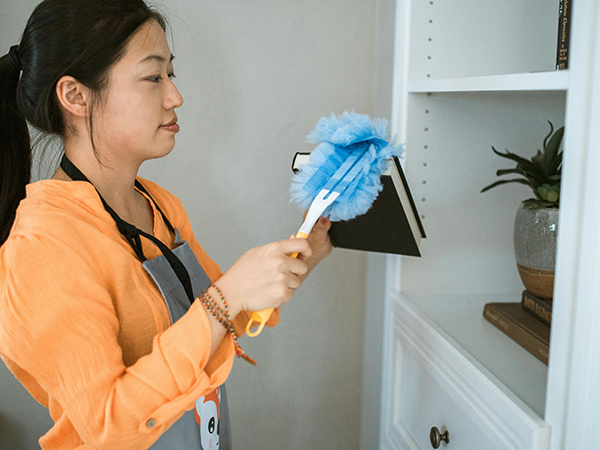
Dust is a common nuisance in every home. It can make your living space look unkempt and adversely affect your health, especially if you have allergies or respiratory conditions. While it's impossible to eliminate dust, there are several habits you can adopt to reduce the amount of dust in your home significantly.
This blog will discuss practical habits that can help you maintain a cleaner and healthier living environment.
- Regular Cleaning:
Maintaining a consistent cleaning routine is the most obvious way to reduce dust in your home. Dusting surfaces, vacuuming carpets and rugs, and wiping down surfaces can effectively remove dust particles before they settle. Make it a habit to dust and vacuum at least once a week or more often if you have pets or live in a particularly dusty area.
- Use Doormats:
Place doormats at the entrances to your home to trap dirt and dust particles from shoes. A doormat with a rough texture is particularly effective at capturing debris. Encourage family members and guests to wipe their shoes before entering to prevent dust from spreading further into your home.
- Keep Windows Closed:
While fresh air is essential for a healthy living environment, keeping windows open can introduce outdoor dust and allergens into your home. During high pollen seasons or in dusty areas, consider keeping your windows closed or using air purifiers with HEPA filters to maintain good indoor air quality.
- Choose the Right Bedding:
Your bed is a significant source of dust mites and dust accumulation. Opt for hypoallergenic mattress and pillow covers to prevent dust mites from settling in your bedding. Wash your bedding regularly in hot water, including sheets and pillowcases, to kill dust mites and remove dust particles.
- Control Humidity:
Maintaining proper humidity levels in your home can help reduce dust. Dust particles tend to settle more in dry conditions, so using a humidifier to keep indoor humidity between 40-50% can make the air less conducive to dust settling. Be sure to clean and maintain your humidifier regularly to prevent mold growth.
- Filter the Air:
Invest in high-quality air filters for your HVAC system to ensure optimal performance. A HEPA (High-Efficiency Particulate Air) filter can trap smaller particles, including dust, allergens, and pet dander, making indoor air cleaner. Change your filters as recommended by the manufacturer to ensure optimal performance.
- Declutter:
Clutter in your home can accumulate dust, making cleaning more challenging. Regularly declutter and organize your living spaces to reduce the number of surfaces where dust can accumulate. Pay special attention to bookshelves, countertops, and open shelving units.
- Groom Pets:
If you have pets, their fur can contribute significantly to dust and allergen levels in your home. Regularly groom your pets and vacuum or sweep up pet hair from floors and furniture to minimize dust buildup.
Reducing dust in your home requires consistent effort and a combination of good habits. By adopting these practices, you can create a cleaner and healthier living environment for yourself and your family.
Remember that while you may be unable to eliminate dust, taking these steps can significantly reduce its presence and improve your overall quality of life.