
Why Grass Struggles in Shade
Having a lush, green lawn can be challenging if your yard doesn’t get much sunlight. Most traditional grasses need around 4 to 6 hours of direct sun each day to grow well. In shady spots, limited sunlight slows their growth, and extra moisture in these areas can encourage moss and fungi, making lawn care harder.
Great Grass Alternatives for Shady Areas
Luckily, there are many plants that thrive where grass has a tough time. Here are some top choices to turn shade into a beautiful, vibrant space:
Fine Fescue – This group of grasses includes creeping red, chewings, and sheep fescue. They’re soft-textured, shade-tolerant, and adapt well to different soil types, making them a favorite for low-light lawns.
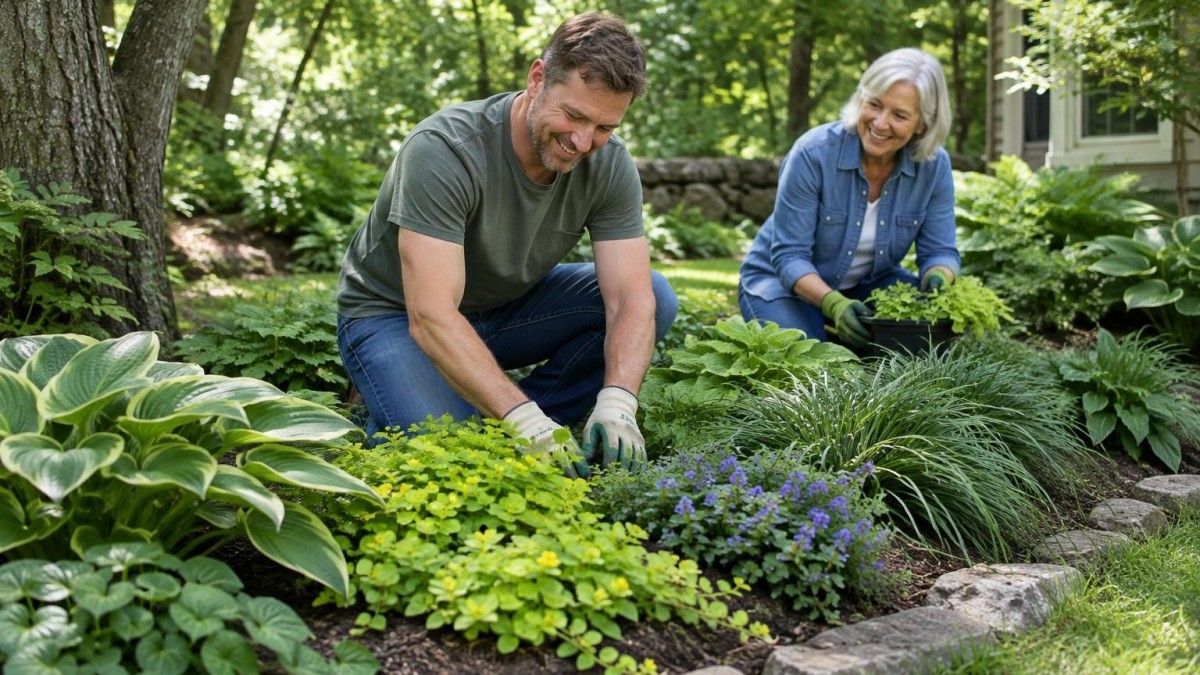
Creeping Jenny – With bright green leaves and cheerful yellow flowers, creeping Jenny spreads quickly and brightens shaded areas. It can grow aggressively, so regular trimming helps keep it controlled.
Hostas – Known for their lush, broad leaves in many colors and patterns, hostas flourish in shade and work well as ground cover or garden accents.
Ajuga (Bugleweed) – This low-growing ground cover forms a dense mat with attractive purple or blue flowers, perfect for shady patches that need color and coverage.
Wild Ginger – With unique heart-shaped leaves and unusual blooms, wild ginger is ideal for deep shade and adds character to your garden.
Japanese Forest Grass – An elegant ornamental grass with graceful arching leaves that brighten up partial to full shade areas.
Mondo Grass – Also called monkey grass, it grows in dense clumps of dark green foliage and is highly shade-tolerant, requiring little upkeep.
Caring for Shady Lawn Alternatives
To keep these plants happy and your shaded areas thriving, consider these tips:
Water Wisely: Shade retains moisture longer, so avoid overwatering. Good drainage helps prevent fungal problems.
Mulch: Applying mulch conserves moisture and keeps weeds down around your plants.
Trim Regularly: Prune ground covers and plants to stop them from overtaking space or becoming invasive.
Fertilize: Use a balanced, slow-release fertilizer in spring to nourish shade-loving plants.
Aerate Soil: Enhancing air flow and reducing soil compaction supports healthier roots in shaded lawns.
Even if traditional grass struggles in the shade, you don’t have to settle for a dull yard. With the right alternatives and proper care, your shaded spaces can come alive with lush greenery and colorful ground covers — a peaceful retreat you’ll enjoy for years to come.
Newsletter Station provides professionally written, ready-to-send newsletters customized for your market and brand.
EXPLORE NEWSLETTER OPTIONS