
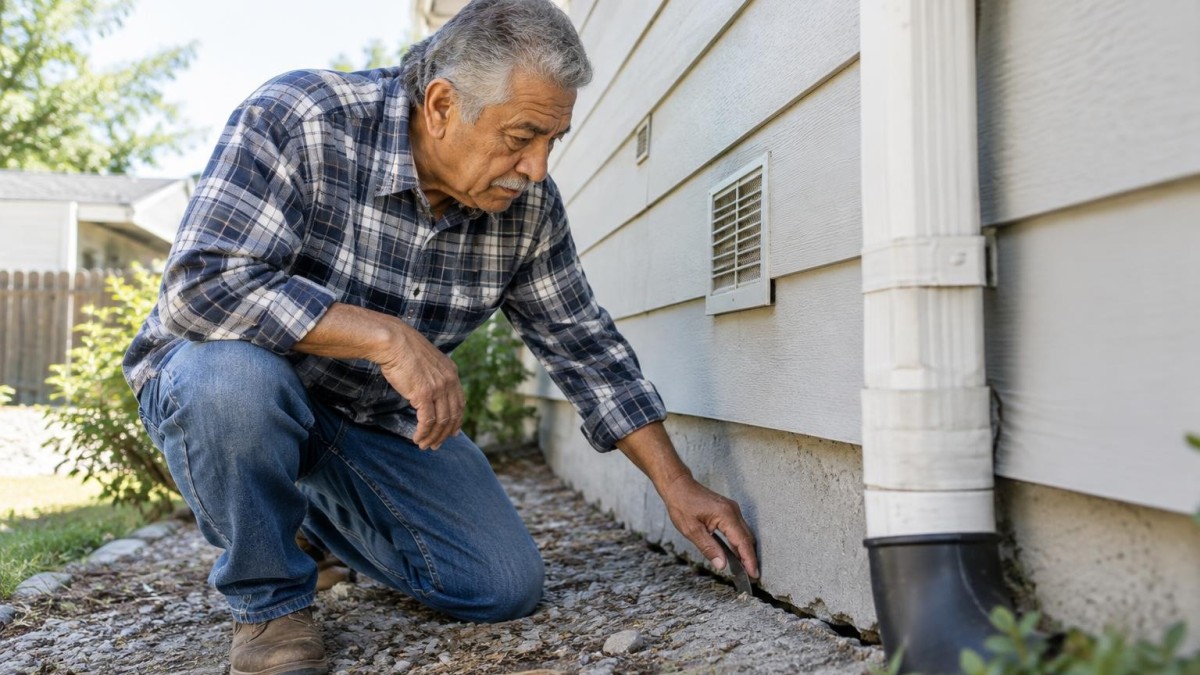
Start with a thorough exterior inspection
Begin your search by examining the outside of your home closely. Rodents can slip through incredibly small holes, so look carefully for cracks, gaps, and holes in the foundation, walls, roofline, and areas around pipes or utility lines. Don’t overlook places like damaged vent screens, chimney openings, or spaces beneath doors and garage doors—these are perfect spots for rodents to sneak in.
Check attics, crawl spaces, and hidden areas
Rodents often find their way inside through less obvious spots such as attics and crawl spaces. Look for signs like droppings, nesting materials, or chewed wires that indicate their presence. Examine insulation and look for openings where they could enter from outside.
Follow their tracks and use targeted tools
Rodent droppings can be helpful clues—trail them to find common pathways into your home. If you've set traps, their placement and catches can reveal favorite routes and entry points. For an even clearer picture, consider motion-activated cameras in suspected areas, which can capture footage of rodents coming and going.
Take action by sealing entry points
Once you've pinpointed how rodents are getting inside, it’s essential to seal these access points effectively. Use materials like steel wool, caulk, or hardware cloth to close gaps and holes securely. Make sure vents and chimneys are covered with intact screens and repair any damaged areas promptly to block re-entry.
Know when to call in professionals
If these steps feel overwhelming or the problem persists despite your efforts, consider consulting a pest control expert. Professionals have specialized knowledge and tools to identify hard-to-find entry points and implement comprehensive rodent control strategies, helping you reclaim your home from unwelcome guests.
Newsletter Station provides professionally written, ready-to-send newsletters customized for your market and brand.
EXPLORE NEWSLETTER OPTIONS