
FEATURE ARTICLE
The Difference Between Acrylic, Gel, and Dip Nails
Jul 23, 2025
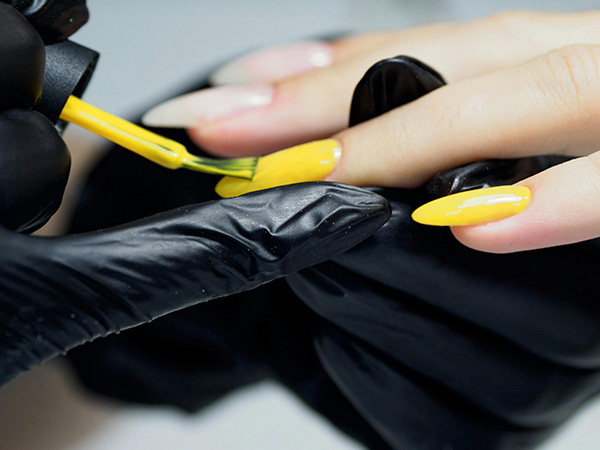
Several options are available at your local nail salon when achieving beautiful, long-lasting manicures. Three popular choices are acrylic, gel, and dip nails. Each of these techniques has its unique advantages and considerations.
In this blog post, we will explore the differences between acrylic, gel, and dip nails to help you decide which one is right for you.
Acrylic Nails
Acrylic nails have been a staple in the nail industry for decades. They are created by mixing a liquid monomer with a powdered polymer to form a thick paste. Nail technicians then shape this paste onto your natural nails or nail extensions, allowing it to harden and bond to the nail's surface. Here are some key characteristics of acrylic nails:
On the other hand, gel nails are a relatively new technique that has gained popularity for their natural appearance and texture. Gel nails are created by applying gel polish in layers and then curing it under a UV or LED lamp. Here are some key characteristics of gel nails:
Dip nails, also known as SNS (Signature Nail Systems), have gained popularity for their simplicity and long-lasting results. This technique involves applying a bonding agent to the natural nails and dipping them into a colored powder. Here are some key characteristics of dip nails:
Whichever option you choose, it's essential to consult with a professional nail technician who can assess your nail health and help you achieve the beautiful, long-lasting manicure you desire.
In this blog post, we will explore the differences between acrylic, gel, and dip nails to help you decide which one is right for you.
Acrylic Nails
Acrylic nails have been a staple in the nail industry for decades. They are created by mixing a liquid monomer with a powdered polymer to form a thick paste. Nail technicians then shape this paste onto your natural nails or nail extensions, allowing it to harden and bond to the nail's surface. Here are some key characteristics of acrylic nails:
- Durability:
Acrylic nails are known for their strength and durability. They can withstand daily wear and tear and are less likely to chip or break. - Versatility:
Acrylic nails can be easily customized with various shapes, lengths, and designs. Nail art and color choices are limitless. - Maintenance:
Acrylic nails require regular maintenance, typically every two to three weeks, to fill in the gap that appears as your natural nails grow. This maintenance helps keep your manicure looking fresh and vibrant. - Removal:
Removing acrylic nails should be done by a professional to prevent damage to your natural nails. The process involves soaking the nails in an acetone solution.
On the other hand, gel nails are a relatively new technique that has gained popularity for their natural appearance and texture. Gel nails are created by applying gel polish in layers and then curing it under a UV or LED lamp. Here are some key characteristics of gel nails:
- Natural Appearance:
Gel nails are known for their flexibility and natural appearance. They tend to look thinner and more translucent than acrylic nails. - Quick Curing:
Gel nails cure quickly under a UV or LED lamp, reducing the time spent at the nail salon. - Low Maintenance:
Gel nails require less maintenance than acrylics. They don't require as frequent fills, and they are less likely to lift. - Removal:
Gel nails can be more challenging to remove at home due to their durability. Removing them professionally is best to avoid damage to your natural nails.
Dip nails, also known as SNS (Signature Nail Systems), have gained popularity for their simplicity and long-lasting results. This technique involves applying a bonding agent to the natural nails and dipping them into a colored powder. Here are some key characteristics of dip nails:
- Strength:
Dip nails are known for their strength and durability, similar to acrylics. They are less likely to break or chip. - Odor-Free:
Unlike acrylic nails, dip nails are odor-free, making them a more pleasant option for some individuals. - Low Maintenance:
Dip nails require less maintenance than acrylics, with fewer fills needed. - Removal:
The removal process for dip nails involves soaking in acetone, similar to acrylics, but it may take a bit longer due to the powder layers.
Whichever option you choose, it's essential to consult with a professional nail technician who can assess your nail health and help you achieve the beautiful, long-lasting manicure you desire.