
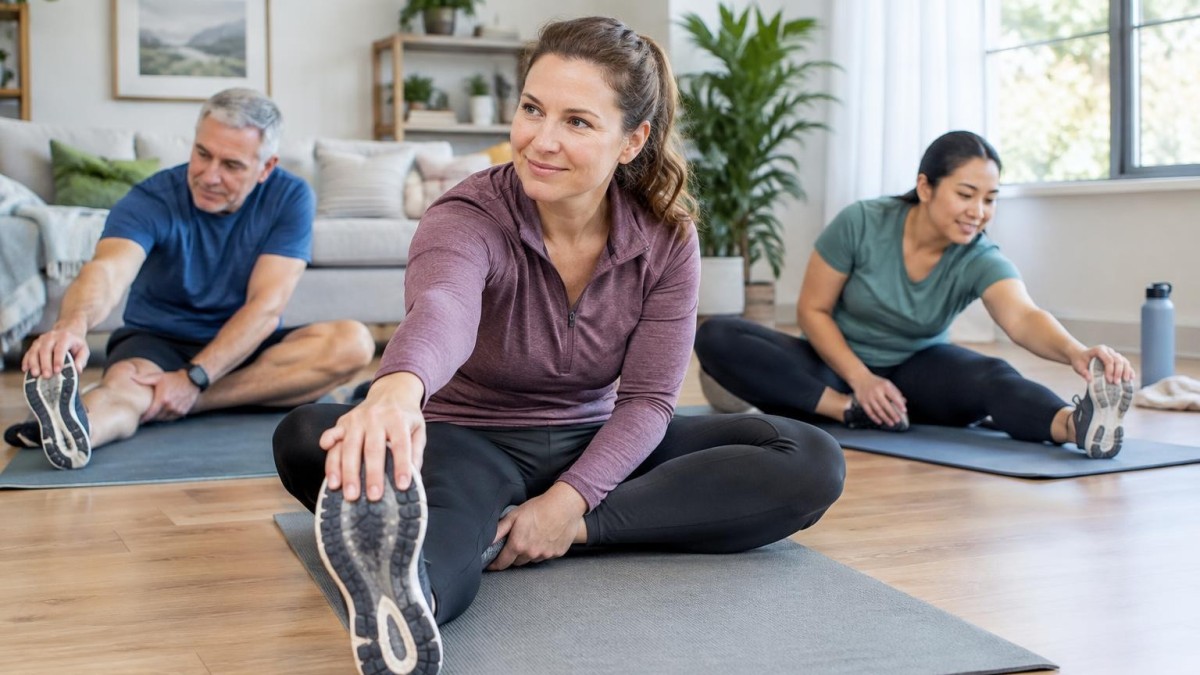
Stretching for Everyday Ease
We often skip stretching, rushing through workouts or daily routines without it. But incorporating stretching regularly can ease everyday activities like bending, reaching, and climbing stairs, especially for those who sit a lot during the day. This helps counter stiffness commonly felt in the neck, shoulders, and back from long hours at a desk.
Enhancing Flexibility and Reducing Muscle Tightness
Stretching consistently improves your flexibility and joint mobility, making movements smoother and less strenuous. This means simple actions like tying your shoes or turning around become more comfortable. Additionally, gentle stretching helps relieve muscle stiffness caused by prolonged inactivity, repetitive tasks, or intense workouts. While it’s not a guaranteed fix for soreness after exercise, stretching plays a valuable role in maintaining comfortable muscle function.
Boosting Circulation and Supporting Posture
Moving through stretches temporarily increases blood flow to your muscles, making them feel warmer and more ready for activity. Remember to warm up first with light movement before diving into stretching, especially static stretches. Flexibility also contributes to better posture and movement, complementing strengthening exercises and regular position changes, which is especially helpful for those who spend much of their day seated.
A Mental Pause with Physical Benefits
Stretching isn’t just physical—it offers a moment to breathe and reset during a busy day. Taking a few minutes to stretch can reduce stress and improve mental focus. Incorporating practices like yoga or tai chi can further enhance flexibility and calmness.
Choosing the Right Stretch for Your Activity
Not all stretching is the same. Dynamic stretches, which involve controlled movement, are ideal before exercise to prepare your muscles. Static stretches, where you hold a position, work better after activity to improve flexibility. Avoid long static stretches right before sprinting or explosive movements, as they can temporarily reduce performance.
Stretching and Pain Management
Stretching can ease discomfort from muscle tightness or limited mobility, such as certain types of lower back tension. However, it isn't a cure-all for pain, especially when caused by injury or medical conditions, where professional assessment is important.
Maintaining Mobility with Age
As we age, flexibility often decreases, making stretching a key part of staying active and independent. Along with strength and balance training, stretching helps maintain ease of movement for daily tasks and can reduce fall risk.
Simple, Consistent Stretching Routines
You don’t need lengthy sessions—just two to three times a week for 5 to 10 minutes can make a difference. Focus on areas prone to tightness like calves, hamstrings, hips, chest, shoulders, and neck. Stretch gently, hold without bouncing, and never push to the point of pain. Tailor your routine to your needs and consult healthcare providers if you have injuries or health concerns.
By stretching regularly and thoughtfully, you support flexibility, reduce muscle tension, and improve comfort throughout your day, whether you're active or working at a desk.
Newsletter Station provides professionally written, ready-to-send newsletters customized for your market and brand.
EXPLORE NEWSLETTER OPTIONS