
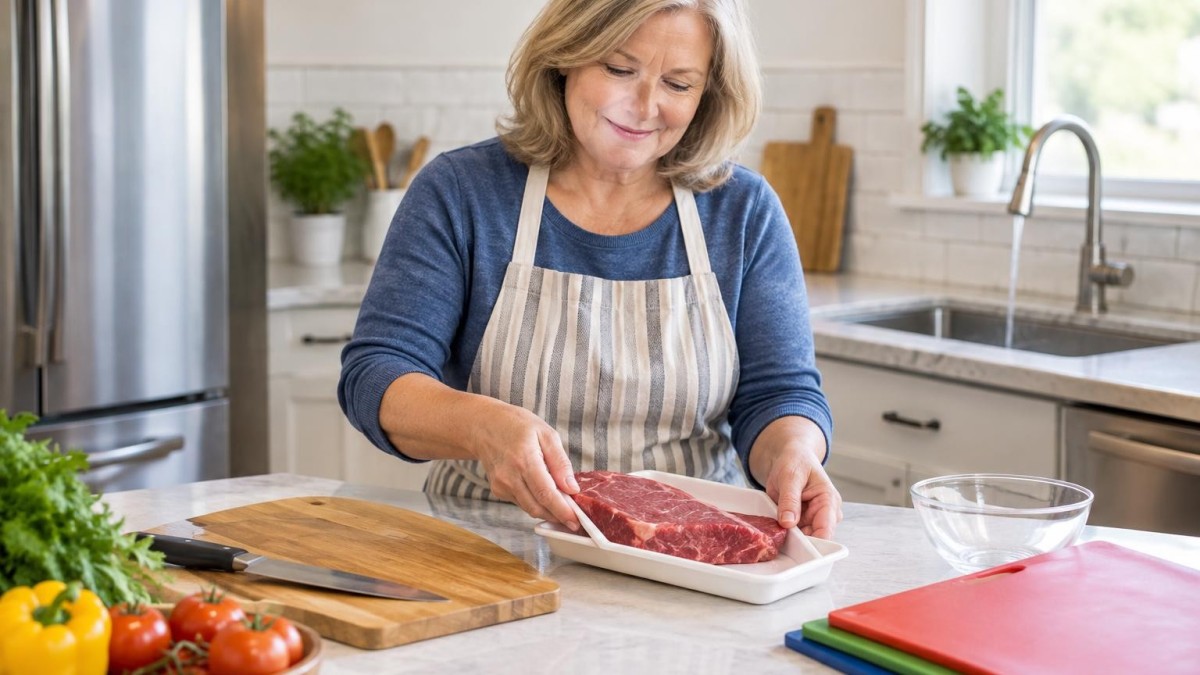
Start with Clean Hands
One of the simplest yet most important steps in handling raw meat is washing your hands thoroughly before and after contact. Use warm water and soap, scrubbing for at least 20 seconds, including under your nails and between your fingers. This practice helps stop harmful bacteria from spreading to other foods or surfaces in your kitchen.
Prevent Cross-Contamination with Separate Boards
Using different cutting boards for raw meat, poultry, and seafood is key to avoiding cross-contamination. Consider color-coded boards to easily keep track. Opt for plastic or glass boards over wooden ones as they’re easier to sanitize and less likely to harbor bacteria in grooves.
Keep Meat Properly Refrigerated
Store raw meat at temperatures below 40°F (4°C) to slow bacterial growth. Refrigerate or freeze it promptly after purchase, and check your fridge settings regularly. When thawing, do it safely in the refrigerator, in cold water, or using a microwave—not on the counter—to prevent bacteria from multiplying.
Handle Meat Carefully to Avoid Drips and Splashes
Be cautious to prevent meat juices from contaminating other foods or surfaces. Use trays or containers to carry raw meat and cut away from other items to minimize splattering. This simple care keeps your kitchen cleaner and safer.
Use Separate and Clean Utensils
Always use clean knives, forks, and tongs for raw meat. If you’ve used utensils on raw meat, wash them thoroughly before using them on cooked food to avoid spreading bacteria.
Sanitize Kitchen Surfaces Regularly
After handling raw meat, clean all surfaces and tools with hot, soapy water. You can also disinfect with a water and bleach solution if needed. Regularly wipe down countertops, sinks, and appliances to maintain a hygienic cooking environment.
Limit Handling and Consider Gloves
Minimize the time you touch raw meat to lessen contamination chances. Plan your preparation steps ahead. If you prefer wearing gloves, make sure to change them whenever switching tasks to keep things sanitary.
Cook Meat to Safe Temperatures
Use a reliable food thermometer to ensure meat reaches safe internal temperatures that kill bacteria. For instance, poultry should be cooked to 165°F (74°C), and ground meats to at least 160°F (71°C). This step is crucial for food safety.
By following these practical steps and maintaining good kitchen hygiene, you can enjoy tasty meals while keeping your family safe from foodborne illness. A little extra attention to how you handle raw meat makes a big difference in the safety and quality of your food.
Newsletter Station provides professionally written, ready-to-send newsletters customized for your market and brand.
EXPLORE NEWSLETTER OPTIONS