
Understanding Blood Sugar Spikes
Keeping your blood sugar levels stable is key for overall health, especially if you have diabetes or prediabetes. Blood sugar, or glucose, is the main energy source for your body’s cells, but large swings or spikes can lead to feeling unwell and long-term health issues.
While sweet treats often get the blame, many everyday factors impact your blood sugar. These include diet choices, stress, sleep quality, illness, medications, and physical activity.
Common Causes and How to Manage Them
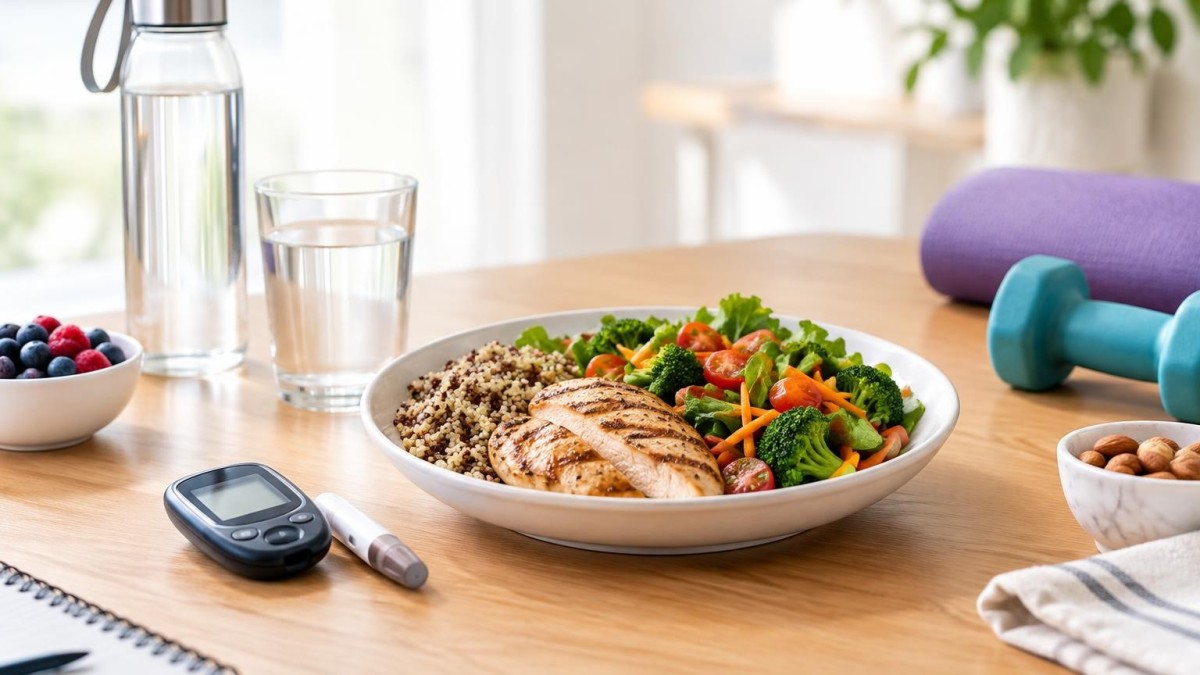
Carbohydrate-Rich Foods: Carbs like white bread, pasta, and potatoes break down into glucose and can raise blood sugar quickly, especially in large amounts. Choosing fiber-rich options like beans, vegetables, and whole grains, and combining carbs with protein and healthy fats slows glucose absorption, helping keep levels steady. For example, pair a smaller portion of rice with grilled chicken and veggies.
Sugary Drinks: Sodas, sweetened coffees, energy drinks, and fruit juices often contain high sugar content that the body absorbs rapidly, causing quick blood sugar spikes. Water, unsweetened tea, and sparkling water without sugar are better choices. Always check labels on flavored drinks for added sugars.
Lack of Physical Activity: Regular movement helps muscles use glucose efficiently and improves insulin response. Sitting long periods, especially after meals, may increase blood sugar. Aim for moderate exercise like walking, swimming, or cycling—starting with just 10 to 15 minutes after meals can make a difference. Consult your doctor if you use insulin or medications that affect blood sugar during exercise.
Stress and Emotional Strain: Stress hormones can boost glucose release and reduce insulin effectiveness, causing blood sugar to rise. Incorporate stress-relief methods like deep breathing, meditation, short walks, or yoga. Tracking your blood sugar during stressful times can provide helpful insights to share with your healthcare provider.
Illness and Infection: Even minor illnesses cause hormonal changes that may raise blood sugar and insulin resistance, and dehydration can worsen control. Follow a plan from your healthcare team for managing blood sugar when sick, including regular glucose monitoring and hydration. Never adjust medications on your own, and seek medical help for severe symptoms.
Certain Medications: Drugs like corticosteroids or some antipsychotics may increase blood glucose levels. If you notice changes after starting a new medication, discuss them with your healthcare provider. Do not stop prescriptions without guidance.
Poor Sleep: Insufficient or disrupted sleep affects blood sugar regulation and insulin sensitivity. Aim for 7 to 9 hours nightly with consistent bedtimes and limiting caffeine late in the day. If you snore heavily or wake up gasping, ask about a sleep study, as untreated sleep disorders can impact blood sugar.
Alcohol Consumption: Alcohol’s effect on blood sugar varies widely. Sweet cocktails add sugar that can raise glucose, while alcohol can also lower blood sugar later by affecting liver function, especially if taken on an empty stomach or with certain medications. Discuss safe drinking limits with your healthcare provider and monitor your levels carefully.
Recognizing High Blood Sugar Signs
Sometimes blood sugar spikes show no clear symptoms, which is why regular monitoring is helpful. When symptoms do occur, they can include increased thirst, frequent urination, fatigue, blurred vision, or headaches. Severe symptoms need immediate medical attention.
Small Changes Make a Big Impact
Managing blood sugar isn’t about strict dieting or cutting out all carbs. It’s about understanding how your body reacts to different foods, your activity, stress, and sleep. Keeping track of patterns can help you and your healthcare team make better decisions. If you haven’t been diagnosed but have risk factors, consider getting screened.
Blood sugar naturally rises after meals; the goal is steady control over time. With consistent healthy habits and medical guidance, handling blood sugar is manageable and supports long-term well-being.
Newsletter Station provides professionally written, ready-to-send newsletters customized for your market and brand.
EXPLORE NEWSLETTER OPTIONS