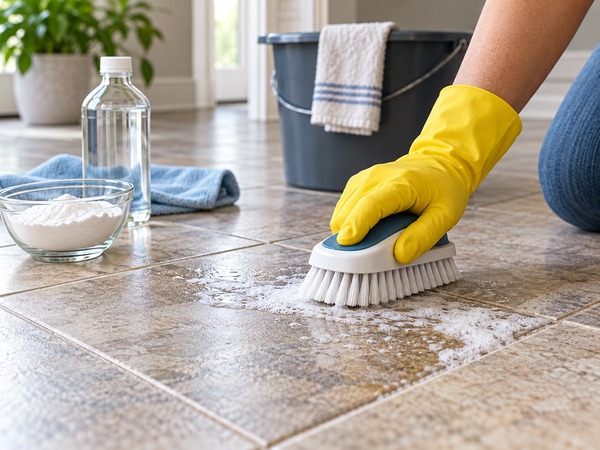
Tile flooring is a popular choice for homeowners because of its durability, versatility, and attractive appearance. Whether you have ceramic, porcelain, or natural stone tiles, regular use can leave behind stains from spills, dirt, grease, and moisture.
While tile is generally easy to maintain, some stains can be surprisingly stubborn, particularly when they settle into grout lines or porous surfaces. The good news is that many common floor tile stains can be removed with the right cleaning methods and a little patience.
Here are eight practical tips for removing stains from floor tiles and keeping your flooring in excellent condition.
- Identify the Type of Stain and Tile
Before reaching for a cleaning product, determine what caused the stain and what type of tile you have. Using the wrong cleaner can make the problem worse or permanently damage your flooring.
Common types of stains include:
Food and beverage stains: Coffee, wine, juice, and other spills can leave discoloration, particularly on grout.
Grease and oil stains: Common in kitchens, these can leave sticky residue or penetrate porous materials.
Rust stains: Metal furniture, appliances, or other objects exposed to moisture can leave reddish-brown marks.
Grout discoloration: Dirt, soap residue, and moisture can cause grout lines to darken.
Hard water stains: Mineral deposits can leave cloudy white marks, especially in bathrooms and entryways.
It's equally important to identify your flooring material. Ceramic and porcelain tiles generally tolerate more cleaning methods than natural stone surfaces such as marble, limestone, and travertine, which require specialized care.
- Act Quickly When Spills Occur
The sooner you address a spill, the less likely it is to become a permanent stain. Blot liquids immediately with a clean cloth or paper towel rather than spreading them across the floor.
For sticky spills, use warm water and a small amount of mild, tile-safe cleaner. Avoid allowing sugary drinks, cooking oils, or colored liquids to sit on grout, where they may be absorbed.
If a stain has already dried, don't immediately reach for a harsh cleaner. Start with the gentlest cleaning method and gradually move to stronger products only when necessary.
- Make Regular Cleaning a Priority
Preventing stains is easier than removing them. Regular sweeping or vacuuming removes dirt and grit that can scratch tile surfaces and become embedded in grout.
Mop with a manufacturer-recommended, pH-neutral cleaner and clean water. Avoid excessive detergent, which can leave behind a film that attracts more dirt.
Pay particular attention to high-traffic areas, including kitchens, bathrooms, mudrooms, and entryways. Using doormats and promptly cleaning tracked-in dirt can significantly reduce buildup.
Also, avoid soaking floors during cleaning. Excess water can penetrate grout joints and contribute to moisture problems, especially where grout or caulking is deteriorating.
- Try Baking Soda for Certain Surface Stains
Baking soda can help loosen some food stains and surface residue on suitable tile materials.
Mix a small amount of baking soda with water to create a soft paste. Apply it to the affected area and gently work it with a soft cloth or nonabrasive sponge. Rinse thoroughly and dry with a clean towel.
Because baking soda is mildly abrasive, it isn't appropriate for every surface. Avoid using it on polished natural stone or delicate finishes unless the flooring manufacturer specifically approves it.
Always test any homemade cleaning solution in an inconspicuous area before treating a visible stain.
- Be Careful with Vinegar and Other Acidic Cleaners
Vinegar is frequently recommended as a natural tile cleaner, particularly for mineral deposits. However, it isn't safe for every flooring material.
Acidic cleaners, including vinegar and lemon juice, can etch marble, limestone, travertine, and other acid-sensitive natural stones. Repeated use may also damage certain grout materials.
For hard water deposits on acid-resistant ceramic or porcelain tile, use a cleaner specifically labeled for that surface. Keep it away from incompatible grout and adjacent stone.
For natural stone, choose a stone-safe product designed to remove mineral buildup without damaging the finish.
- Choose Commercial Tile and Grout Cleaners Carefully
When household cleaning methods aren't enough, a commercial tile cleaner may be the best solution.
Look for products formulated for your particular flooring material and the type of stain you're treating. A degreasing cleaner may work well for kitchen oil stains, while a specialized rust remover may be needed for reddish-brown discoloration.
Always follow the manufacturer's directions, including recommended contact times and rinsing procedures. Use appropriate ventilation and protective equipment as directed on the label.
Never mix cleaning products, particularly bleach with ammonia or acidic cleaners, because dangerous fumes can result.
- Use Hydrogen Peroxide with Caution
Hydrogen peroxide may help lighten certain organic stains on compatible tile and grout surfaces. However, it can also discolor colored grout and some flooring materials.
Before using it, check the flooring manufacturer's recommendations and test a small hidden area. If approved, apply it according to the product instructions, then rinse and dry thoroughly.
Hydrogen peroxide isn't a universal solution for rust stains, and persistent mold or mildew should not simply be treated as a cosmetic problem.
If dark staining repeatedly returns around grout lines, investigate possible moisture issues. Cleaning the surface without addressing the underlying cause may provide only temporary improvement.
- Know When Professional Cleaning Makes Sense
Some stains penetrate deeply into grout or porous tile and cannot be removed through ordinary household cleaning.
Professional tile and grout cleaning services have specialized equipment and cleaning solutions designed to tackle stubborn buildup without unnecessarily damaging the flooring.
Professional assistance may be particularly worthwhile when grout remains discolored despite repeated cleaning, natural stone requires restoration, or large areas of flooring have accumulated years of residue.
If grout is cracked, crumbling, or permanently stained, repair or replacement may be more effective than continued cleaning.
Protect Your Tile Floors from Future Stains
Once your floors are clean, a few preventive measures can help preserve their appearance.
Consider whether your grout or natural stone flooring requires sealing. Some materials benefit from periodic sealing, while glazed ceramic and many porcelain tiles generally do not need their surfaces sealed. Follow the manufacturer's guidance rather than assuming every tile floor needs the same treatment.
Use protective pads beneath furniture, clean spills promptly, and avoid abrasive brushes or harsh chemicals that can wear down finishes.
The most important rule is to match the cleaning method to the flooring material and the stain. What works beautifully on porcelain may permanently damage marble or another natural stone.
With consistent maintenance, appropriate cleaning products, and occasional professional attention when needed, your tile floors can retain their attractive appearance for many years.