
FEATURE ARTICLE
Mold and Homeowner's Insurance: What to Know
Jul 2, 2025
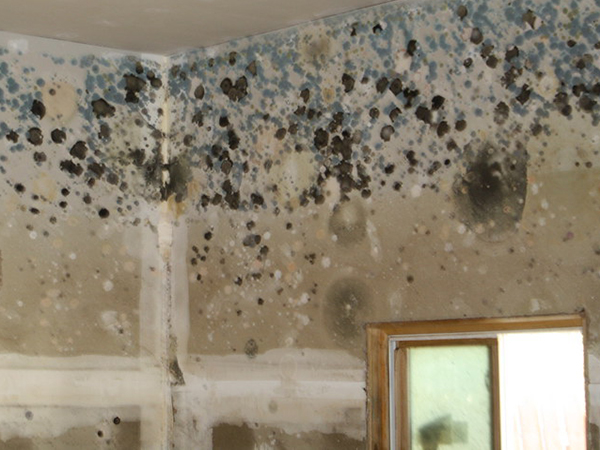
Homeownership is a significant milestone in one's life, providing a sense of stability and security. However, owning a home also comes with its share of responsibilities and potential risks. One such risk that homeowners should be aware of is the growth of mold. Mold can damage your property and pose health risks to your family.
Thankfully, homeowner's insurance can provide protection, but understanding the coverage and limitations is crucial. In this blog, we'll delve into the intricacies of mold and homeowners' insurance, helping you make informed decisions and protect your investment.
Understanding Mold
Mold is a type of fungus that thrives in damp and humid environments. It can grow on various surfaces, including walls, ceilings, floors, and even personal belongings. While some molds are harmless, others can produce mycotoxins that may lead to health issues when inhaled or touched. Common types of mold include black mold (Stachybotrys chartarum) and green mold (Aspergillus).
Mold Growth Causes
Mold can develop in your home due to various factors, including:
The coverage for mold damage in homeowners' insurance policies can be complex and varies from one policy to another. Here are some important points to consider:
Preventing mold growth should be a priority for homeowners. Here are some proactive steps to reduce the risk of mold damage:
Regular maintenance, addressing water issues promptly, and maintaining good ventilation are vital steps to safeguarding your investment and ensuring a healthy living environment. Be sure to review your homeowner's insurance policy with your provider to understand the extent of mold coverage and make any necessary adjustments to protect your home and your family.
Thankfully, homeowner's insurance can provide protection, but understanding the coverage and limitations is crucial. In this blog, we'll delve into the intricacies of mold and homeowners' insurance, helping you make informed decisions and protect your investment.
Understanding Mold
Mold is a type of fungus that thrives in damp and humid environments. It can grow on various surfaces, including walls, ceilings, floors, and even personal belongings. While some molds are harmless, others can produce mycotoxins that may lead to health issues when inhaled or touched. Common types of mold include black mold (Stachybotrys chartarum) and green mold (Aspergillus).
Mold Growth Causes
Mold can develop in your home due to various factors, including:
- Moisture:
Leaking roofs, pipes, or windows, as well as high humidity levels, create ideal conditions for mold growth. - Poor ventilation:
Inadequate air circulation can trap moisture indoors, promoting mold formation. - Flooding:
Water damage from floods or heavy rain can trigger mold infestations if not addressed promptly. - Neglect:
Failing to address water leaks or dampness in basements and crawl spaces can invite mold.
The coverage for mold damage in homeowners' insurance policies can be complex and varies from one policy to another. Here are some important points to consider:
- Type of Mold:
Most policies cover sudden and accidental mold damage resulting from a covered peril, such as a burst pipe. However, coverage for mold resulting from negligence or prolonged moisture issues may be limited. - Water Damage:
Policies usually cover mold damage that results from covered water damage. If the water damage is excluded from your policy, the resulting mold damage may also not be covered. - Limits and Deductibles:
There may be limits on the amount of coverage for mold damage, and a deductible may apply. - Exclusions:
Some policies have specific exclusions related to mold. It's essential to review your policy carefully to understand what is covered and what is not. - Maintenance and Prevention:
Insurance companies may deny claims related to mold if they determine that the homeowner neglected proper maintenance and preventive measures.
Preventing mold growth should be a priority for homeowners. Here are some proactive steps to reduce the risk of mold damage:
- Fix Water Leaks:
Promptly repair any leaks or water damage in your home, including roofs, plumbing, and appliances. - Maintain Proper Ventilation:
Ensure good air circulation throughout your home, especially in areas prone to moisture buildup. - Control Humidity:
Use dehumidifiers in damp areas like basements and bathrooms to keep humidity levels in check. - Regular Inspections:
Conduct regular inspections to identify and address potential moisture problems. - Mold-Resistant Materials:
Consider using mold-resistant building materials and paints in susceptible areas.
Regular maintenance, addressing water issues promptly, and maintaining good ventilation are vital steps to safeguarding your investment and ensuring a healthy living environment. Be sure to review your homeowner's insurance policy with your provider to understand the extent of mold coverage and make any necessary adjustments to protect your home and your family.