Hardwood floors can last for decades and still look beautiful, but much of that longevity comes down to how they're cleaned. Dirt and grit can scratch the finish, while too much water or the wrong cleaning product can leave floors dull, damaged, or discolored.
The challenge is that not every wood floor should be cleaned exactly the same way. A modern polyurethane-finished floor has different care requirements from an older waxed or oiled floor. Engineered hardwood may also have manufacturer-specific instructions.
Before reaching for a mop or homemade cleaner, find out what kind of floor and finish you have. If you know the manufacturer, check its care instructions first. That simple step can prevent some expensive cleaning mistakes.
Here's how to clean hardwood floors safely and keep them looking their best.
- Start With the Right Supplies
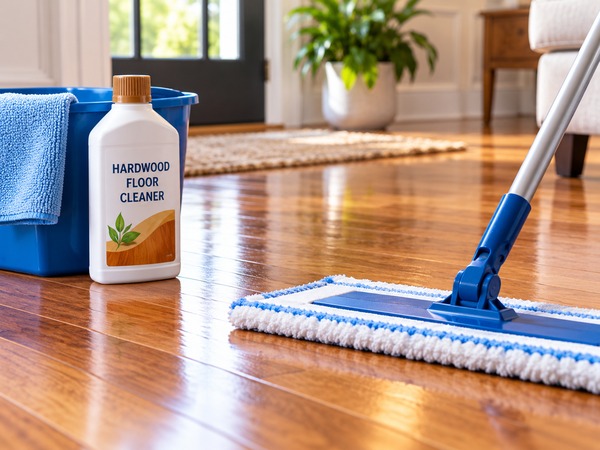
You don't need an overflowing cabinet of specialty products to care for hardwood floors. For most routine cleaning, a few basic tools are enough:
A microfiber dust mop or soft-bristle broom
A vacuum with a hard-floor setting or appropriate attachment
A microfiber cleaning pad or mop
A cleaner specifically approved for your type of hardwood floor and finish
Clean, soft, lint-free cloths for spills and spot cleaning
One item you may not need is a traditional bucket of water. Many manufacturers recommend spray-and-wipe or spray-mop cleaning methods rather than conventional wet mopping because standing water and excess moisture can damage wood.
Before using any new cleaning product, read both the product label and your flooring manufacturer's care instructions.
- Remove Dust, Dirt, and Grit Regularly
Routine cleaning is one of the easiest ways to prevent scratches.
Dust, sand, pet hair, and tiny pieces of grit get tracked across floors every day. Once they're under shoes, chair legs, or furniture, those particles can act almost like sandpaper against the finish.
Use a microfiber dust mop, soft broom, or vacuum regularly, paying particular attention to entrances, kitchens, hallways, and other high-traffic areas.
If you're vacuuming, use a hard-floor setting or attachment. A rotating beater bar designed for carpet can potentially scratch or damage some wood floors, so disengage it when possible.
How often should you clean? There isn't one schedule for every home. A household with pets, children, or a frequently used exterior entrance may need dust removal much more often than a low-traffic household. Let the amount of visible dirt and grit determine your routine.
- Choose a Cleaner Made for Your Floor
This is where many well-intentioned homeowners run into trouble.
Avoid assuming that "natural" automatically means safe for wood. Vinegar, for example, is acidic and is specifically discouraged by some hardwood flooring manufacturers. Steam cleaners can also introduce heat and moisture into seams and joints and aren't recommended for many hardwood floors.
Oil soaps, waxes, furniture polish, abrasive cleaners, ammonia, bleach, and other household cleaners can also cause problems depending on the floor's finish. Some leave residue; others may dull or damage the protective coating.
Instead, choose a hardwood floor cleaner that's approved for your particular finish.
If you have a newer prefinished floor, check the manufacturer's website or warranty paperwork. If you have an older floor and don't know how it's finished, test any cleaning product in a small, inconspicuous area first—or ask a flooring professional to help identify the finish.
- Use as Little Moisture as Necessary
Water and wood are not a good combination when moisture is allowed to sit on or penetrate the flooring.
For many modern finished hardwood floors, a ready-to-use hardwood cleaner can be lightly misted onto a small section and wiped with a microfiber pad. Follow the cleaner's directions rather than saturating the entire floor.
Work in manageable sections and avoid leaving puddles or wet areas behind. If liquid collects on the floor, wipe it up promptly with a clean, dry cloth.
Don't assume a soaking-wet string mop is appropriate simply because that's how other hard-surface floors are cleaned. Excess moisture can work its way between boards and potentially contribute to swelling, cupping, staining, or other damage.
The key distinction is damp cleaning versus wet cleaning. Hardwood generally needs very little liquid to get clean.
- Pay Special Attention to Sticky Spots and Spills
You don't necessarily need to clean an entire room because of one sticky footprint or food spill.
For localized messes, use a soft cloth and a small amount of your approved hardwood floor cleaner. Avoid aggressive scrubbing, steel wool, scouring pads, or scraping with sharp objects.
Spills deserve quick attention, especially around sinks, dishwashers, refrigerators, pet bowls, and exterior doors. Blot up liquids promptly rather than allowing them to soak into seams between boards.
If you encounter gum, wax, paint, ink, grease, or another unusual stain, check the flooring manufacturer's stain-removal instructions before experimenting with household solvents or cleaners. The right treatment depends heavily on the finish.
- Let the Floor Dry Promptly
If you've cleaned with the appropriate amount of product, a finished hardwood floor generally shouldn't be left soaking wet.
After cleaning, look for damp areas or excess cleaner and wipe them with a clean, soft towel or microfiber cloth. Keep foot traffic off the floor until it is dry.
If you're repeatedly finding puddles after mopping, you're probably using too much cleaning solution.
Also pay attention to moisture that isn't coming from cleaning. Leaking plant saucers, wet shoes, pet water bowls, damp rugs, and unnoticed appliance leaks can cause far more damage than an occasional cleaning mistake.
- Protect the Floor Between Cleanings
Good hardwood floor care isn't just about what happens when you mop.
Place mats at exterior entrances to catch dirt, grit, and moisture before they reach the wood. Be cautious about rug backings, however; some flooring manufacturers advise against certain rubber, vinyl, or non-breathable backings because they may discolor the finish or trap moisture.
Use protective pads under furniture legs and replace them when they become worn or collect grit. When moving heavy furniture, lift it rather than dragging it across the floor.
Trim pets' nails as needed, clean up spills promptly, and pay extra attention to high-traffic areas where the finish is most likely to show wear.
These small habits can do more to preserve hardwood floors than frequent deep cleaning.
Common Hardwood Floor Cleaning Mistakes
Some of the most common problems come from trying to make hardwood floors "extra clean."
Using too much water: More water doesn't mean a cleaner floor. On hardwood, it can mean more risk.
Using a steam mop without checking first: Steam isn't universally safe for wood flooring. Unless your flooring manufacturer specifically approves it for your exact product, don't assume it is suitable.
Cleaning with vinegar because it's natural: Natural products can still affect floor finishes. Several hardwood manufacturers specifically advise against acidic cleaners such as vinegar.
Using a generic multipurpose cleaner: A cleaner that's safe for tile or countertops isn't automatically safe for a wood-floor finish.
Applying wax or polish to the wrong floor: Products designed to add shine can create residue or interfere with the finish on floors that weren't designed to be waxed.
Ignoring manufacturer instructions: This is especially important while your flooring is under warranty. Using an unapproved cleaning method or product may affect warranty coverage.
How Often Should You Deep-Clean Hardwood Floors?
There's no need to wet-clean hardwood simply because a certain number of days have passed.
Dust mop or vacuum often enough to prevent visible dirt and grit from accumulating. Use an approved hardwood cleaner when the floor actually needs more than dry cleaning, concentrating on high-traffic areas as necessary.
A busy kitchen or entryway may need attention more frequently than a guest room.
If your floor still looks dull after proper cleaning, don't automatically add more cleaner or polish. Dullness may be caused by residue, scratches, wear in the finish, or a product previously applied to the floor. Adding another coating can make the problem worse.
At that point, it may be worth having a flooring professional determine whether the floor needs specialized cleaning, recoating, or refinishing rather than another round of household cleaning.
A Simple Routine Is Usually the Safest
Keeping hardwood floors clean doesn't require aggressive scrubbing or complicated homemade solutions. In fact, simpler is often safer.
Remove dirt and grit regularly, clean spills promptly, use a product that's appropriate for your specific floor and finish, and keep moisture to a minimum. Before trying vinegar, steam, wax, oil soap, or another popular cleaning method you found online, check whether the manufacturer actually recommends it.
Hardwood floors are durable, but their protective finish does much of the work. Take care of that finish, and you'll have a much better chance of keeping the wood underneath looking good for years to come.