
FEATURE ARTICLE
Things That Are Not Covered by Your Homeowner's Insurance
Jun 18, 2025
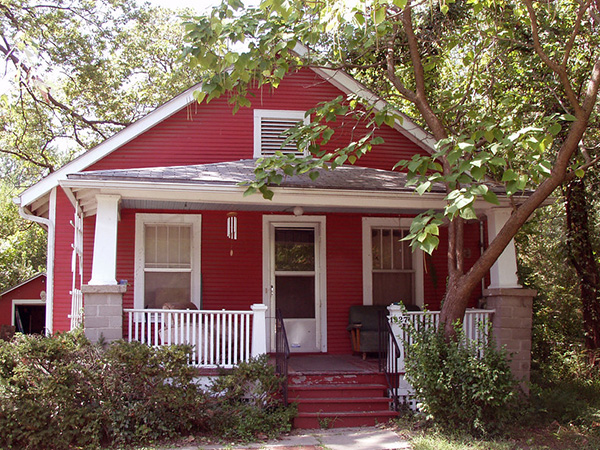
Owning a home is a significant milestone and a valuable asset. As responsible homeowners, we often secure homeowners' insurance to protect our property and possessions from unexpected disasters and accidents. However, it's essential to understand that not everything is covered under a standard homeowner's insurance policy.
While it offers a broad range of protections, homeowners should be aware of the limitations and exclusions to avoid unpleasant surprises during a time of crisis. In this blog, we will explore some everyday things that are typically not covered by homeowner's insurance:
Being proactive and adequately insured will provide you with peace of mind and financial security in the face of unexpected events. Remember, knowledge is the key to protecting your home and loved ones.
While it offers a broad range of protections, homeowners should be aware of the limitations and exclusions to avoid unpleasant surprises during a time of crisis. In this blog, we will explore some everyday things that are typically not covered by homeowner's insurance:
- Earthquakes and Floods:
Natural disasters like earthquakes and floods can cause substantial damage to a home, but they are generally not included in standard homeowner's insurance policies. If you reside in an area prone to earthquakes or floods, it's crucial to consider purchasing separate policies or endorsements to ensure adequate protection. - Sewer Backup:
While homeowner's insurance covers water damage from burst pipes, it usually does not include damage caused by sewer backups. Sewer backups can lead to extensive property damage and health hazards, so homeowners should explore adding a sewer backup rider to their policy. - Termite Infestations:
Homeowner's insurance typically excludes damage caused by pests like termites, which can silently wreak havoc on the structural integrity of a home over time. Dealing with termite infestations usually requires specialized pest control services. - Maintenance-related Damage:
Regular home maintenance is crucial in preventing issues that could lead to costly repairs. Homeowner's insurance is not designed to cover damage from lack of maintenance or wear and tear. Homeowners are responsible for taking care of their property to minimize the risk of such damage. - Mold Damage:
Mold can increase in damp environments, and while some policies may provide limited coverage for mold remediation, they often exclude coverage for mold caused by long-term water leaks or humidity issues. - Home Business Liability:
If you run a business from home, it's essential to know that most homeowner's insurance policies do not cover liability or property damage related to your business activities. You may need to consider a separate business insurance policy to adequately protect your enterprise. - Valuable Collectibles and High-Value Items:
While homeowners' insurance includes coverage for personal belongings, there are usually limits on the reimbursement for valuable items, such as jewelry, fine art, and collectibles. If you own high-value items, you may need additional coverage or a separate policy to protect them. - Damage from Acts of War or Terrorism:
In the unfortunate event of war or acts of terrorism, standard homeowner's insurance policies typically exclude coverage for related damages. Specialized policies or government programs may be available to assist in such extreme situations. - Intentional Damage or Criminal Activities:
Homeowner's insurance is not designed to cover damage caused intentionally or due to criminal activities. If you or a household member purposefully causes damage or engages in illegal actions on your property, you will likely not receive coverage for the associated expenses. - Trampolines and Certain Risky Features:
Some insurance companies exclude coverage for injuries or damages related to trampolines or other high-risk features, such as kegs, pools, or certain dog breeds. If you have these features on your property, you may need to seek additional coverage or take necessary safety precautions to reduce potential liabilities.
Being proactive and adequately insured will provide you with peace of mind and financial security in the face of unexpected events. Remember, knowledge is the key to protecting your home and loved ones.