
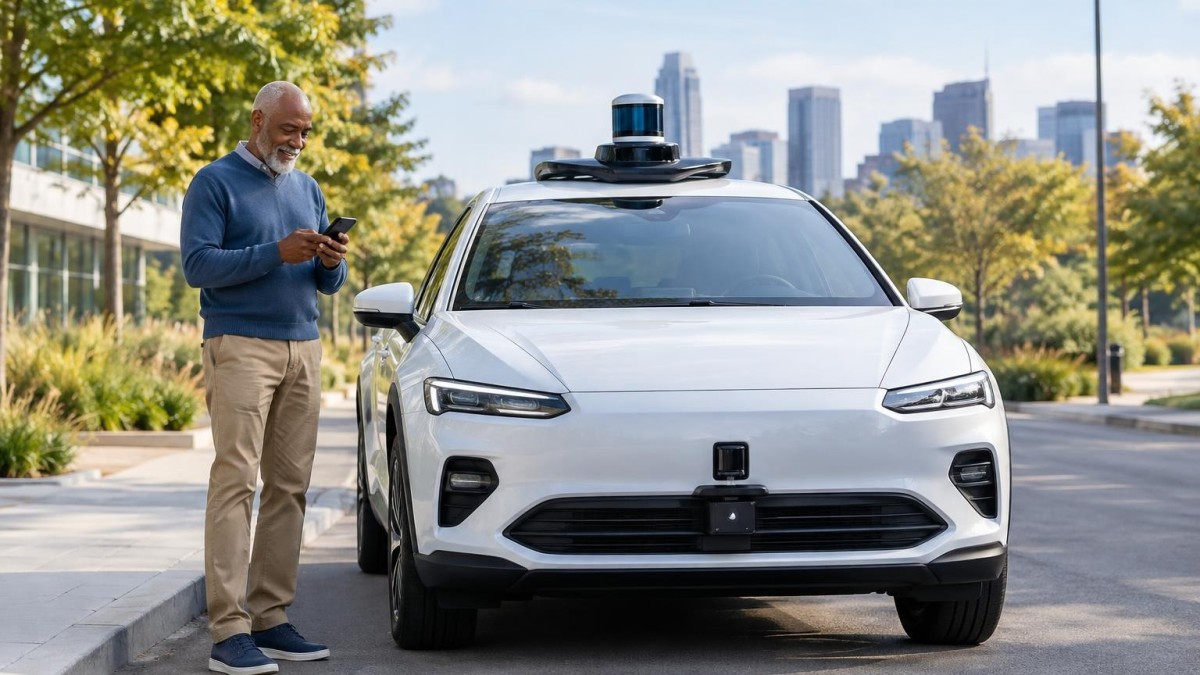
Why Autonomous Vehicle Insurance Is Different
Self-driving cars are becoming a reality, not just science fiction. While many vehicles on the road today have advanced driver-assistance systems, fully autonomous cars operate in select areas or services. This shift brings new challenges for insurance, especially in assigning responsibility when accidents happen. Traditional insurance focuses largely on human drivers, but autonomous vehicles rely heavily on software, sensors, and automated controls, prompting a rethink of coverage and liability.
Key Challenges in Insuring Autonomous Vehicles
One major hurdle is the rapidly evolving technology. Features range from driver help to full automation, classified by levels that affect liability and insurance needs. While most cars still need an alert human driver, higher automation shifts responsibility toward systems and manufacturers.
Privacy is another concern. Autonomous vehicles collect extensive data—camera footage, sensor details, location, and more—which can help with accident investigations but raises questions about who accesses this data and how securely it's handled.
Figuring out fault can be complex. An accident might involve driver error, system malfunction, or even design flaws. Liability varies by scenario and jurisdiction, so it’s not always clear who is legally responsible.
Many vehicles require both human and automated cooperation. Drivers must understand their role, as misunderstandings about automation capabilities can create risks and affect insurance claims.
Finally, regulations differ by state, affecting everything from vehicle registration to insurance requirements. Commercial autonomous services face distinct rules compared to private owners.
What Insurance Coverage Is Needed?
Despite changes, many traditional coverages remain important: bodily injury, property damage liability, collision, comprehensive, and uninsured motorist protections. Owners should check that their policies address automated system features and expensive sensors or hardware.
For manufacturers and tech providers, product liability insurance protects against claims from defective components. Cyber insurance is also increasingly relevant to guard against hacking or data breaches.
Commercial use of autonomous vehicles requires specialized insurance that covers passengers, third-party damage, and operational risks.
Insurers are developing coverage options tailored to varying automation levels, from driver-assisted private cars to fully autonomous commercial fleets. Asking how existing policies apply when automated features are active is crucial for buyers and businesses.
Using Vehicle Data to Inform Insurance
Data from connected vehicles can improve risk assessment and clarify circumstances in crash investigations. However, advanced technology doesn't always mean lower premiums; repairs can be costly.
Usage-based insurance programs, which adjust rates based on actual driving behavior, may evolve further to incorporate automated driving data, varying by insurer and policy.
Tips for Buyers and Drivers
If you're considering a vehicle with advanced automation, it's important to understand your insurance coverage and the vehicle's capabilities. Ask your insurer about coverage specifics, premium impacts, and data usage policies. Remember, even "hands-free" features often require your attention and readiness to take control, so comprehension of limitations is vital for safety and insurance clarity.
Looking Ahead
As autonomous technology advances, insurance will adapt to new risks, responsibilities, and business arrangements. Traditional policies will still matter for many drivers, especially as human supervision remains necessary. Staying informed and consulting with knowledgeable insurance professionals will help ensure your protection keeps up with evolving vehicle technologies.
Newsletter Station provides professionally written, ready-to-send newsletters customized for your market and brand.
EXPLORE NEWSLETTER OPTIONS