
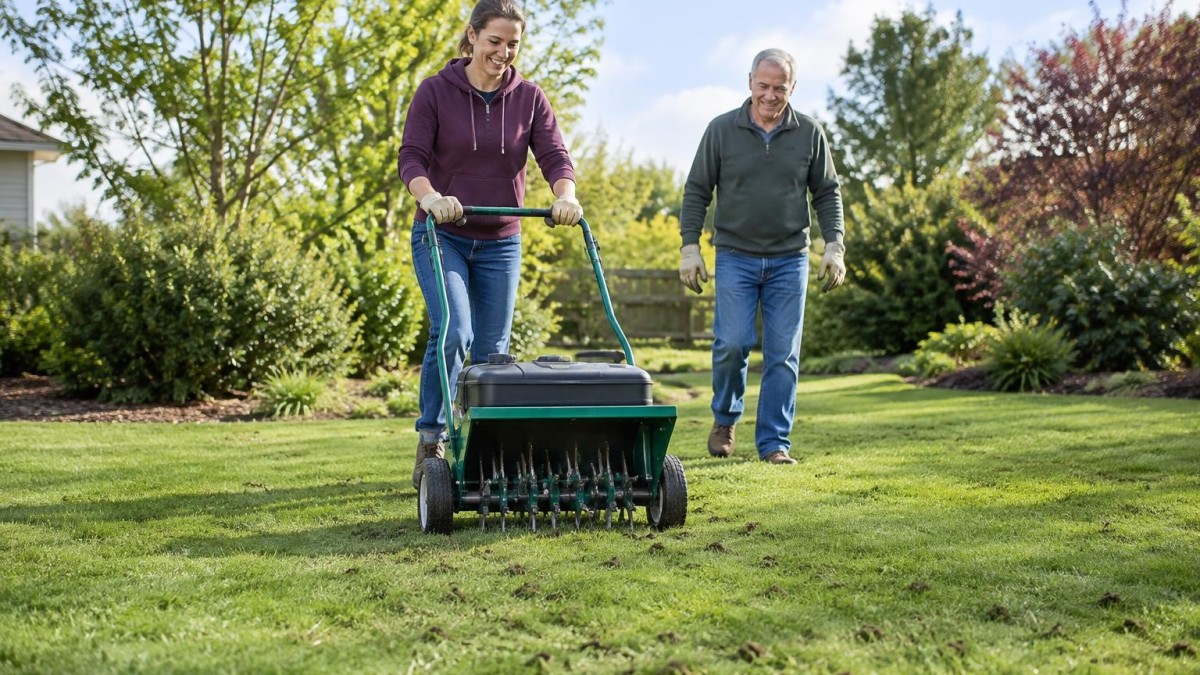
Why Aeration Matters
A healthy, vibrant lawn doesn't happen by chance. One key practice often missed in routine lawn care is aeration. This process involves making small holes in your soil to boost the flow of air, water, and nutrients to your grass roots. Soil can become compacted over time from foot traffic, weather, and natural settling, which chokes off essential resources and weakens grass health. Aeration helps break up compacted soil, encouraging deeper root growth and a stronger lawn.
Timing and Tools for Best Results
For successful aeration, timing is everything. Aim to aerate during your grass's active growing season—usually early spring or fall—when the lawn can recover quickly. Avoid the heat of summer or the hibernation of winter to prevent undue stress to your grass.
Choosing the proper equipment is also important. There are spike aerators, which poke holes into the ground, and core aerators, which remove small plugs of soil. Core aerators are generally preferred since they actually reduce compaction, while spike aerators can sometimes make it worse by compacting soil around the holes.
How to Aerate Effectively
Understanding your soil type helps tailor your aeration approach. Clay soils, for example, are more prone to compaction and benefit greatly from aeration. Set your aeration depth to about 2-3 inches for cool-season grasses and up to 4 inches for warm-season varieties, avoiding excessive aeration that can harm your grass roots.
Use a systematic pattern when aerating to ensure even coverage across your lawn. Overlapping passes slightly will help avoid missed spots and deliver consistent benefits.
After aeration, your lawn may look messy with small soil plugs scattered about. You can leave these to decompose and enrich your soil naturally, or mow and rake them to speed up the process. Follow up with deep watering to help nutrients soak into the root zone, and consider fertilizing to boost growth.
Finally, remember that aeration isn’t a one-time fix. Depending on soil condition and usage, plan to aerate annually or every few years, keeping an eye on your lawn's health for cues to repeat the process.
By regularly incorporating aeration using these tips, you’ll promote a lush, green lawn that’s resilient and thriving throughout the seasons.
Newsletter Station provides professionally written, ready-to-send newsletters customized for your market and brand.
EXPLORE NEWSLETTER OPTIONS