
Why Staking Young Trees Matters
Planting young trees is a rewarding way to add natural beauty and environmental benefits to your landscape. But these fragile newcomers often need extra help to withstand strong winds, loose soil, or accidental bumps. Proper staking supports young trees until their root systems are well established, ensuring they grow upright and healthy.
Picking the Right Materials and Setup
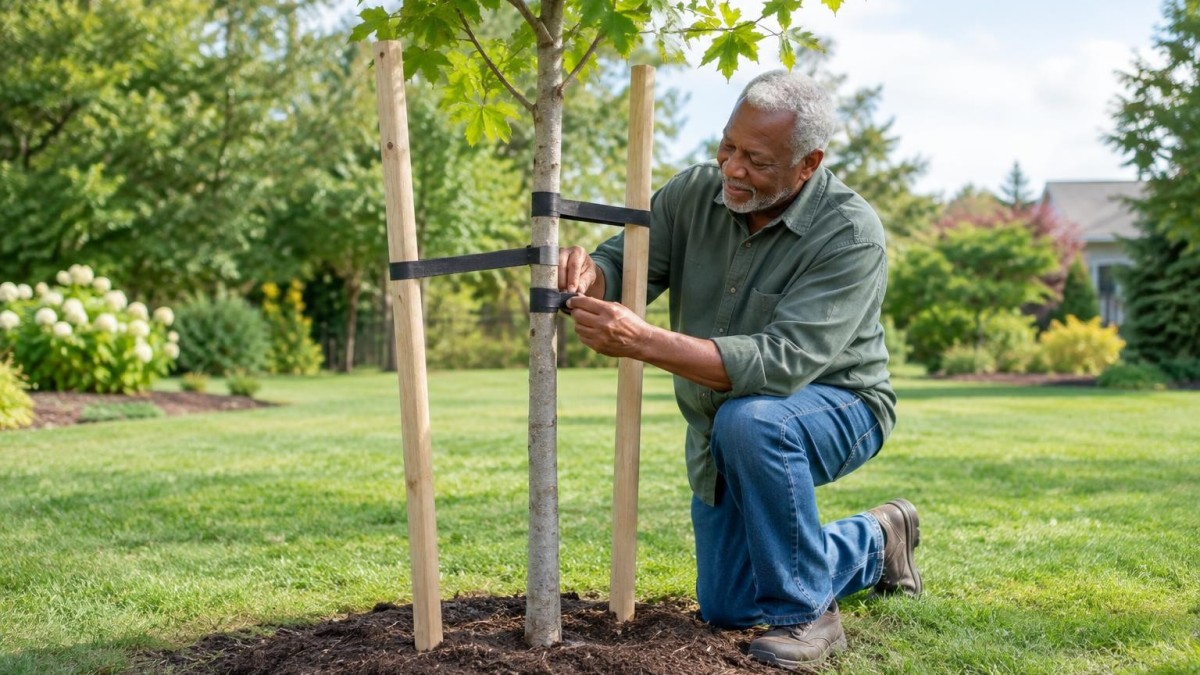
Not every tree needs staking, so observe if your tree is unstable or in a windy spot. When needed, use durable, weatherproof stakes crafted from wood or metal. Place stakes evenly in a triangular or square layout around the tree, making sure they're set a little distance from the root ball to protect root growth. Drive the stakes into the ground at an angle away from the tree for firm anchorage without damaging roots.
Securing and Maintaining Supports
Attach the tree to stakes with soft, flexible ties like fabric straps or rubber to allow slight trunk movement, which strengthens the tree. Regularly inspect ties and stakes for tightness, loosening or adjusting them as the tree grows to prevent damage or restricted growth. Remove all staking materials after one full growing season or once your tree stands steady independently, since staking is a temporary aid that encourages natural stability.
By thoughtfully staking your young trees, you give them the best chance to develop strong roots and resilient trunks, leading to healthy, long-lasting growth.
Newsletter Station provides professionally written, ready-to-send newsletters customized for your market and brand.
EXPLORE NEWSLETTER OPTIONS