
Identifying Healthy Soil in Your Landscape
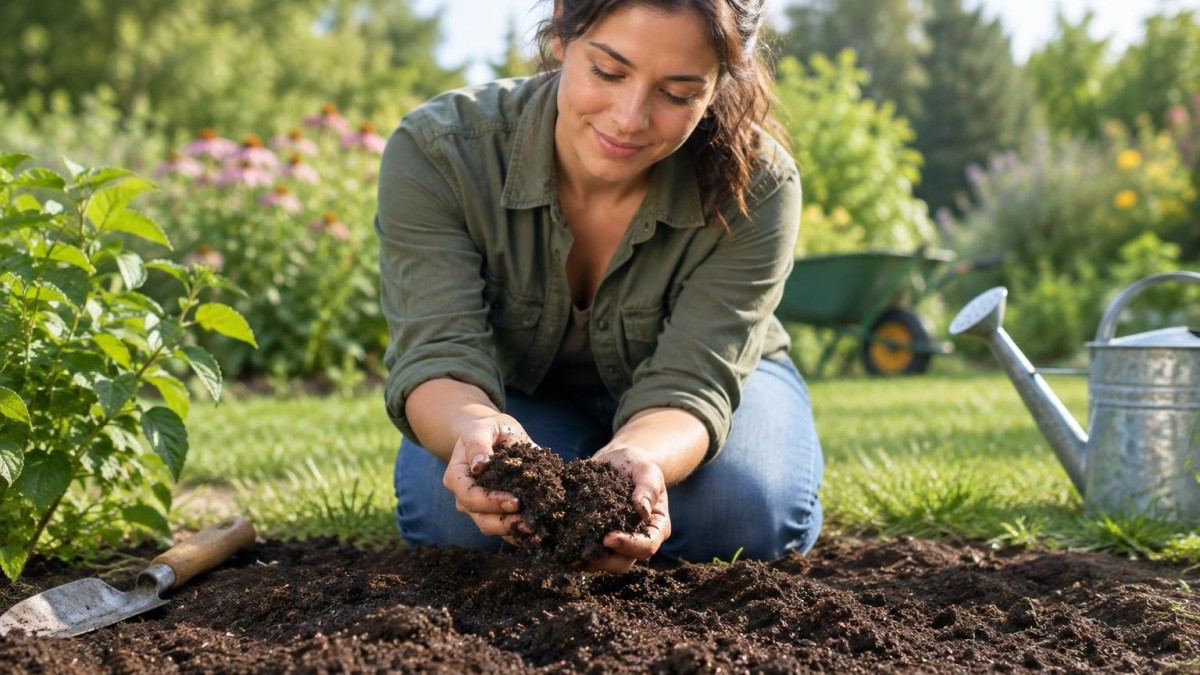
Healthy soil is easy to spot if you know what to look for. Typically, it has a rich, dark color reflecting a high level of organic matter that feeds your plants naturally. When you handle it, good soil feels crumbly and soft, breaking apart with ease which allows roots to grow deeply and water to soak in properly. The fresh, earthy scent is another positive sign, indicating active beneficial microbes at work breaking down organic materials.
Life and Activity Beneath the Surface
Seeing earthworms wriggling through your soil is a great indicator of health. These creatures enhance aeration and help improve soil structure. Alongside fungi and bacteria, they contribute to nutrient cycling that supports vigorous plant roots. Soils teeming with diverse life forms tell you that the ecosystem is balanced and functioning well.
Signs of Stability and Proper Balance
Strong soil won’t easily erode with wind or heavy rain because its organic content and strong root networks hold it firmly in place. Maintaining a pH between 6 and 7 ensures that essential nutrients remain accessible to your plants. Regular soil testing helps you monitor this balance and make adjustments when needed. When your lawn or garden consistently shows lush growth, abundant flowers, or healthy fruits, it's a reliable sign the soil is healthy and supportive.
Keeping your soil in great condition is key to nurturing thriving lawns and gardens. By routinely testing your soil, incorporating organic compost, and using sustainable care methods, you'll maintain fertile, resilient soil that promotes long-term landscape success.
Newsletter Station provides professionally written, ready-to-send newsletters customized for your market and brand.
EXPLORE NEWSLETTER OPTIONS