
Understanding How Drought Harms Trees
Drought conditions quietly strain trees, with damage often becoming evident well after the dry period ends. Trees depend on sufficient soil moisture to feed their roots and fuel photosynthesis—the process converting sunlight to energy. When water is scarce, trees close tiny leaf pores to save moisture, reducing their food production and slowing growth. This leaves them weaker and more vulnerable over time.
Signs of drought stress include leaves wilting, browning or yellowing at the edges, and falling off early. Although dropping leaves helps conserve water, it also lowers the tree's ability to generate energy. If drought continues, branches may die back because they can’t sustain themselves, potentially leading to the whole tree dying.
Increased Risks and Environmental Impact
Trees weakened by drought have fewer defenses against pests and diseases. Insects and fungi can invade more easily, often causing damage that only shows months later. Additionally, dead or weakened trees add dry material to the landscape, raising wildfire risks and increasing the need for safety cleanup.
On a broader scale, drought-stressed trees affect wildlife by reducing available habitats and food sources. This can raise soil erosion and ground temperatures. Plus, dying trees release stored carbon dioxide, limiting forests’ ability to fight climate change.
Spotting and Helping Drought-Stressed Trees
Look for symptoms such as leaf scorch, premature leaf drop, sparse or small leaves, dead twigs, and slowed growth. Since these can also indicate other problems, it’s wise to consult a certified arborist for an accurate diagnosis.
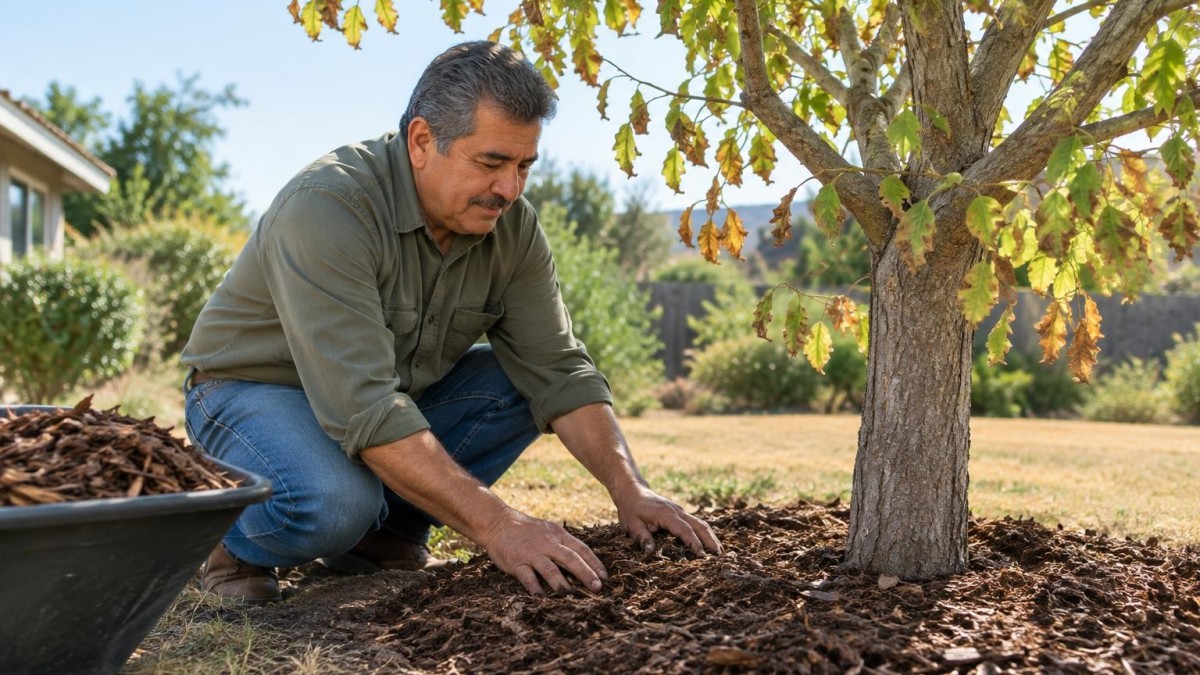
To help your trees during dry spells, water slowly and deeply beneath the canopy to reach roots, not just the soil surface. Apply 2–3 inches of mulch around the base—keeping it a few inches from the trunk—to conserve moisture and regulate soil temperature. Avoid heavy pruning since leaves are crucial for recovery, and protect roots from soil compaction caused by foot traffic or equipment.
Choosing trees that suit your local climate and soil boosts their drought resilience. Even drought-tolerant trees need regular watering while developing strong roots.
Recovery from drought can take several seasons and requires ongoing care. By monitoring your trees carefully and providing thoughtful support during dry times, you help keep your landscape healthy and resilient.
Newsletter Station provides professionally written, ready-to-send newsletters customized for your market and brand.
EXPLORE NEWSLETTER OPTIONS