
Understanding Why Ladybugs Enter Homes
Ladybugs are often seen as helpful garden visitors, but the Asian lady beetle can become a troublesome houseguest during the fall and winter months. As temperatures drop, these beetles look for warm, protected places to spend the colder season. They are attracted to sunny, light-colored parts of houses and find their way indoors through small cracks around windows, doors, vents, and attic spaces. While they gather in large numbers inside, they neither feed nor reproduce there.
Simple Ways to Keep Ladybugs Out
The best defense against ladybug invasions is thorough sealing of your home’s exterior. Check for and seal any gaps near windows, doors, siding, utility pipes, and rooflines—especially on sunlit walls where beetles like to cluster. Repair damaged window screens, fit door sweeps, and cover vents properly to block access. Ensure your attic vents remain open for ventilation but are secured with tight screens to prevent beetle entry.
Safely Handling Ladybugs Indoors
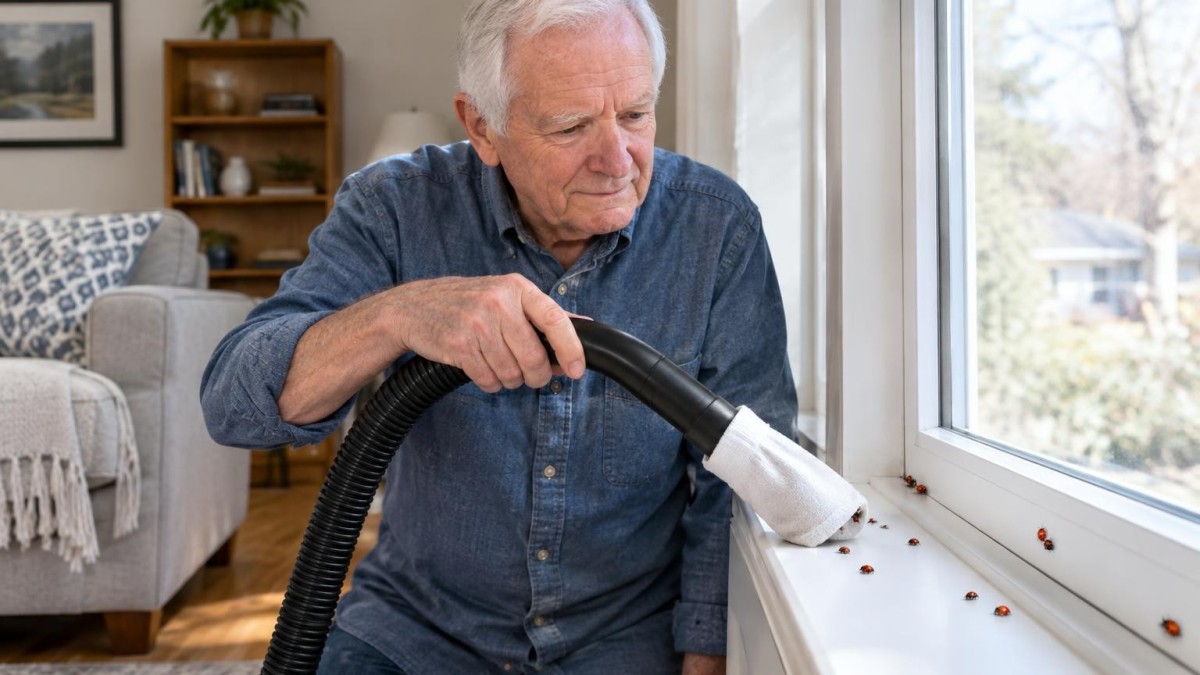
If ladybugs manage to get inside, try to avoid squashing them since they can release a fluid that stains surfaces and causes odors. Instead, gently vacuum them using a hose attachment lined with breathable fabric to trap them, allowing you to release them outdoors or dispose of them responsibly. Catching a few with a cup and paper is practical too, but releasing them outside during freezing temperatures may not help and could contribute to spreading this nonnative beetle.
Consider using indoor light traps designed for beetles, which can help control those already inside, though they won’t stop new ones from entering. Also, shielding outdoor lights and turning off unnecessary lamps near doors and windows can reduce insect attraction and limit ladybug gatherings around your home.
Garden Conditions and Ladybug Presence
Ladybugs feed primarily on aphids and other garden pests, so controlling these outdoors won’t necessarily keep ladybugs from coming inside. Since their indoor visits mainly aim at finding warm shelter rather than food, heavy use of outdoor insecticides can harm beneficial insects without solving indoor beetle problems. Focus your efforts on blocking entry points and managing ladybugs that have already found their way indoors.
When to Call in Professional Help
If you experience repeated ladybug infestations every year, a pest control specialist can help identify where beetles enter your home and suggest pre-season treatments to discourage them. Using indoor pesticides is generally not recommended, both because of health concerns and because it doesn’t effectively address the root cause of the problem.
Are Ladybugs a Risk Inside?
Ladybugs don’t damage your home, but some people may experience allergic reactions, and the beetles can bite occasionally. Pets might also be irritated if they try to eat large numbers of them. Understanding that ladybug presence peaks from fall through spring helps you prepare and respond appropriately without unnecessary worry.
By sealing entry points, inspecting your home carefully, and gently removing beetles that get inside, you can keep ladybugs benefiting your garden without letting them turn your living space into their winter refuge.
Newsletter Station provides professionally written, ready-to-send newsletters customized for your market and brand.
EXPLORE NEWSLETTER OPTIONS