
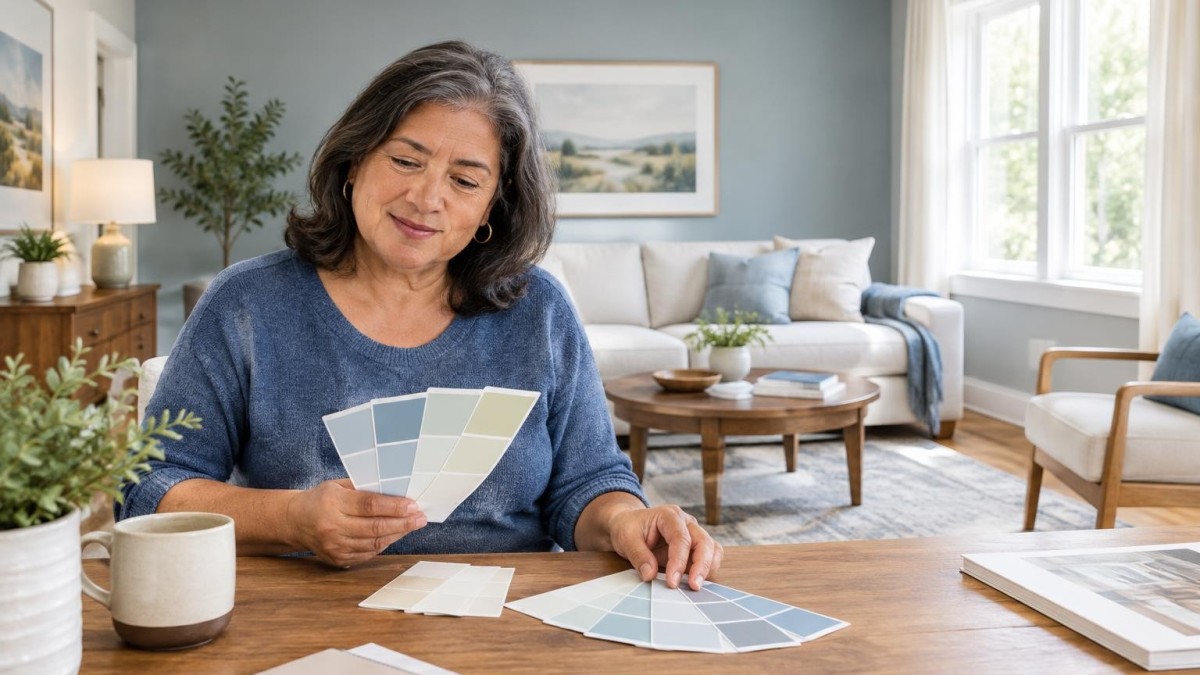
Light Colors Create Airy, Spacious Rooms
Using light colors for your walls, trim, and furniture is one of the simplest ways to make a small room seem larger and more open. Shades like soft white, cream, pale blue, or light gray reflect natural light well, giving the space a bright and fresh feel. Consider the undertones too — cool whites brighten sunlit rooms, while warmer tones add coziness to darker spaces.
Keeping walls and trim in matching light colors helps avoid visual breaks, which can make a room feel chopped up and smaller. This seamless look encourages your eye to move around freely, enhancing the sense of spaciousness.
Dark Colors Bring Warmth and Stylish Depth
Though dark colors often make rooms feel cozier and more intimate, they can also add a sophisticated depth that tricks the eye into seeing more space. Rich shades like navy, forest green, charcoal, or deep chocolate absorb light differently and can unify walls and trim to blur boundaries, sometimes making rooms feel surprisingly expansive.
If you're hesitant about dark colors, try using them on one accent wall or in small areas like powder rooms to add warmth without overwhelming the space.
Using Patterns and Color Placement to Influence Size
Monochromatic color schemes—using different tones of a single color—create a smooth visual flow, reducing distractions and making rooms feel less cluttered and larger. Combine these with various textures such as soft fabrics or natural wood to add interest without breaking that calm feeling.
Contrasting colors can help emphasize architectural details and alter perception of room proportions. For instance, a darker wall at the far end of a narrow room can balance its dimensions. However, too many bold contrasts in small spaces can feel busy and cramped.
Stripes and color divisions also affect perception: horizontal stripes can make a narrow wall appear wider, while vertical stripes draw the eye upward, enhancing the sense of height. Even subtle tone changes can achieve this without dominating the room.
The Role of Light, Ceiling Color, and Furnishings
Natural light significantly changes how colors look. South-facing rooms warm up colors, while north-facing ones bring out cooler hues. Testing paint samples throughout the day helps find the best shade for your space.
Ceiling color influences height perception too. Light ceilings make low rooms feel taller, especially when matched with wall colors to create continuity. Dark ceilings work best in tall rooms that need a cozier balance.
Furniture and flooring colors impact spatial feel as well. Matching large pieces of furniture with wall colors keeps the space visually open, while light floors boost brightness. Hanging curtains high and wide draws the eye upward, adding to the room's perceived height.
Choose Colors Based on Each Room’s Purpose
Think about how each room is used when selecting colors. Calm greens and blues support focus in home offices, soft neutrals promote relaxation in bedrooms, and living rooms allow more flexibility depending on lighting and furnishings. For open floor plans, coordinating colors with complementary undertones throughout adjacent spaces keeps the flow natural without feeling monotonous.
Changing your room colors is a cost-effective way to influence how spacious and welcoming your home feels. Bring paint samples home to see how light plays on them during the day, then choose colors that harmonize with your room’s size, lighting, function, and furniture for a comfortable, balanced atmosphere.
Newsletter Station provides professionally written, ready-to-send newsletters customized for your market and brand.
EXPLORE NEWSLETTER OPTIONS