
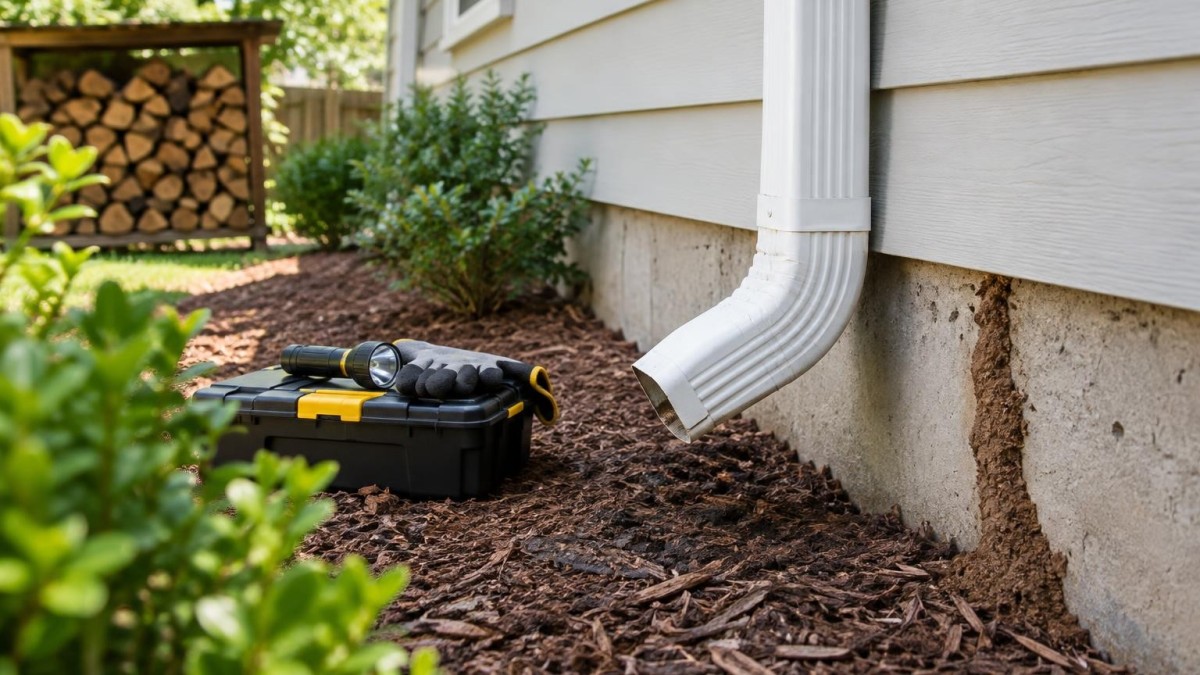
Spotting Termites Early Through Inspections
Termites can work silently behind the walls and floors of your home, causing damage long before you notice a problem. To catch them early, consider scheduling annual professional termite inspections, especially if you live in an area prone to infestations. Between visits, keep an eye out for telltale signs like mud tubes along foundations, hollow-sounding wood, discarded wings near entry points, bubbling paint without a clear source, or small piles of pellet-like droppings.
Managing Moisture and Removing Wood Sources
Since termites thrive in moist environments, controlling moisture around your home is key. Fix leaks promptly, ensure gutters and downspouts direct water away from your foundation, and make sure the soil slopes away to prevent standing water. Pay attention to crawl spaces and basements, and address any dampness with help from a qualified contractor if necessary. Additionally, keep firewood, lumber, and mulch stored away from your home's perimeter to reduce potential termite food sources and nesting spots.
Enhancing Protection With Materials and Barriers
If you’re renovating, selecting termite-resistant materials like pressure-treated lumber can lower risks. Avoid untreated wood in areas prone to termite activity, and consider physical barriers like stainless-steel mesh during construction or major updates to block entry points. Regularly inspect your foundation for cracks and seal gaps, but remember that sealing alone won’t fix an existing termite problem.
Working With Professionals for Treatment and Prevention
If you suspect termite damage, avoid disturbing affected areas or using over-the-counter sprays, as these won’t eradicate the colony. A professional pest control expert can identify the termite species and recommend the appropriate treatment, such as bait systems, liquid termiticides, or in some cases, fumigation. Proper monitoring and maintenance after treatment help prevent re-infestation and protect your home long term.
Understanding Risks and Staying Vigilant
Termite risks vary by region and property conditions. Older homes, those with soil-to-wood contact, or areas with accumulated wood debris are more vulnerable. Even in colder climates, termites can pose a threat near heated structures. When buying a home, include a wood-destroying insect inspection to catch any hidden problems early.
By combining regular inspections, moisture control, thoughtful material choices, and timely professional intervention, you can safeguard your home from termite damage. These proactive steps help preserve your investment without complicated or costly measures.
Newsletter Station provides professionally written, ready-to-send newsletters customized for your market and brand.
EXPLORE NEWSLETTER OPTIONS