
FEATURE ARTICLE
The Harmony Within: Why Symmetry is Important in Interior Design
Apr 23, 2025
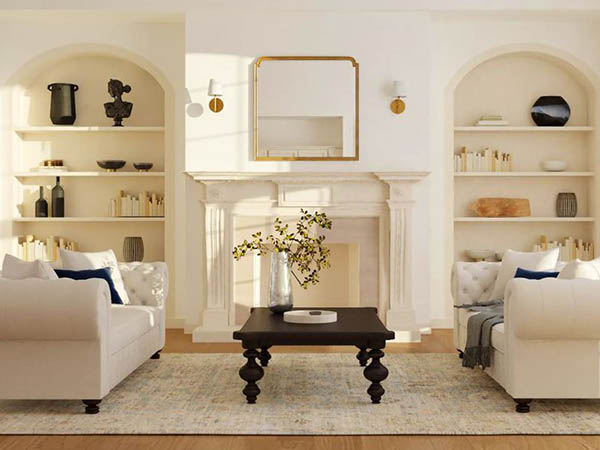
Interior designers employ various techniques and principles when creating a visually appealing and harmonious living space. One fundamental principle that consistently stands out is symmetry. Symmetry is crucial in interior design, as it brings balance, order, and a sense of unity to a room.
In this blog post, we'll explore why symmetry is essential in interior design and how it can transform your living spaces into aesthetically pleasing and functional environments.
Whether you prefer a fully symmetrical design or a mix of symmetry and asymmetry, understanding and incorporating this principle can help you achieve the perfect balance in your interior spaces. So, when contemplating your next design project, remember the age-old wisdom: symmetry is the key to harmony within your home.
In this blog post, we'll explore why symmetry is essential in interior design and how it can transform your living spaces into aesthetically pleasing and functional environments.
- A Sense of Balance
Symmetry in interior design is all about creating a sense of balance. Just as a balanced diet is essential for our health, balance in a room is vital for our well-being. When a space lacks symmetry, it can feel chaotic and unsettling. However, a well-balanced room with symmetrical elements promotes stability and tranquility.
Think of a room where furniture is haphazardly arranged without consideration for symmetry. It may feel off-kilter and disorganized. In contrast, a room with symmetrical elements, such as a pair of matching chairs or identical nightstands on either side of a bed, creates a harmonious atmosphere that is visually pleasing. - Fosters a Sense of Order
Symmetry also helps establish a sense of order within a space. It provides clear guidelines for arranging furniture and decor, making navigating and functioning in the room easier. When everything is in its rightful place and symmetrical, it enhances the overall functionality of the space.
Consider a living room with a symmetrical layout – a sofa centered between two identical end tables flanked by matching lamps. This arrangement looks appealing and makes finding a place for your coffee cup, reading material, or remote control easy. Symmetry simplifies the visual hierarchy of a room, making it more user-friendly. - Creates Visual Interest
While symmetry often implies perfect mirroring, it doesn't mean a room has to be entirely symmetrical. A touch of asymmetry can enhance the overall design. The key is to balance symmetry and asymmetry to create visual interest.
For instance, in a symmetrical bedroom, you can introduce a sense of asymmetry by adding a unique piece of art above the bed or choosing mismatched bedside tables that still complement each other in some way. This combination keeps the room from overly rigid and adds character and intrigue. - Defines Focal Points
Symmetry can help define and emphasize focal points within a room. By placing symmetrical elements around a particular feature, such as a fireplace or a large window, you draw attention to that area and create a captivating focal point.
For example, framing a fireplace with identical bookshelves or flanking a window with matching drapes and sconces accentuates these architectural elements, making them more striking and inviting. - Enhances Aesthetic Appeal
Ultimately, symmetry enhances the aesthetic appeal of a space. It's a timeless design principle used for centuries in various architectural styles, from classical to contemporary. When executed effectively, symmetry can make a room feel elegant, sophisticated, and well put together.
Whether you prefer a fully symmetrical design or a mix of symmetry and asymmetry, understanding and incorporating this principle can help you achieve the perfect balance in your interior spaces. So, when contemplating your next design project, remember the age-old wisdom: symmetry is the key to harmony within your home.