
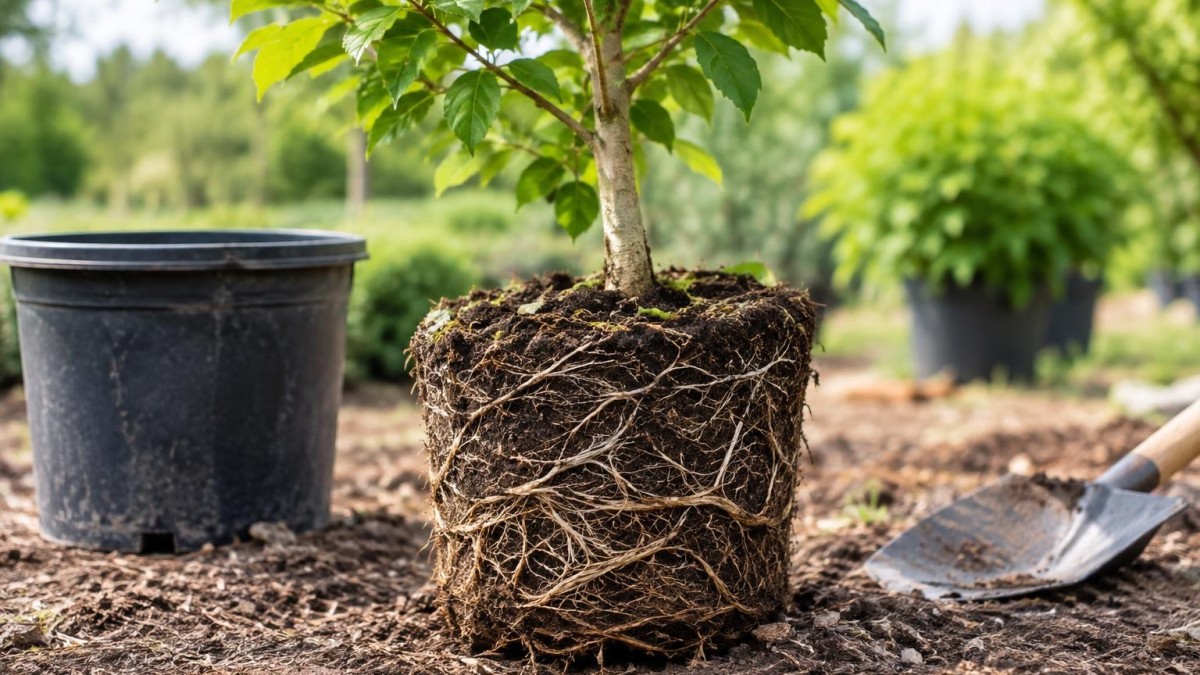
When selecting trees, shrubs, or perennials, it's common to focus mostly on the visible parts like leaves and flowers. However, the root ball—the mass of roots and soil around the roots—is often the best indicator of plant health and future growth potential.
Why the Root Ball Matters
The root ball anchors the plant, absorbs water and nutrients, and helps it handle environmental stresses. A strong, well-formed root system doesn't guarantee success, but it significantly improves the plant's chances of thriving. Damaged or poorly developed roots can hinder establishment and make the plant more vulnerable.
Key Signs of a Healthy Root Ball
First, check that the soil holds together firmly when you remove the plant from its container. A root ball that falls apart easily may indicate weak root development, though you should consider soil moisture and type before jumping to conclusions.
Look at the roots themselves. Healthy roots are usually white, cream, tan, or light brown with a firm texture. Avoid plants with dark, mushy, or brittle roots, which may signal disease or damage.
Roots should be well distributed throughout the soil, not just clustered on the outer edges. Avoid plants with many circling or tightly coiled roots along the container sides, as these can restrict growth once planted and cause future issues.
Moisture matters, too. The root ball should be moist but not drenched or bone dry. Overly wet soil increases the risk of root rot, while dryness can stress the plant and reduce transplant success.
Lastly, inspect for pests, fungal growth, or unpleasant odors. If you spot anything suspicious, inquire with nursery staff before making a purchase.
Planting and Transplanting Tips
After choosing a healthy root ball, proper planting is vital. Dig a hole wider than the root ball but not too deep, and position the plant so the trunk flare remains visible and isn't buried. Handle the plant by the root ball to avoid damaging stems or trunks, and gently tease out circling roots if present to encourage outward growth.
Backfill with native soil rather than heavily amended mixes to encourage roots to expand naturally. Water thoroughly after planting to settle soil and support establishment.
When transplanting larger or older plants, try to keep as much of the root ball intact as possible, protect roots from drying during the move, and plant at the original soil depth. Water consistently after planting but avoid overwatering, which can cause root problems.
Helping Roots Thrive
Once planted, roots need room to grow. Avoid compacting soil, apply mulch to conserve moisture and moderate temperature, but keep mulch away from trunks. Monitor plants during the first growing season for signs of stress and adjust care accordingly.
By taking a moment to inspect root balls carefully and follow planting best practices, landscapers and arborists can set plants up for healthier growth and better long-term success.
Newsletter Station provides professionally written, ready-to-send newsletters customized for your market and brand.
EXPLORE NEWSLETTER OPTIONS