
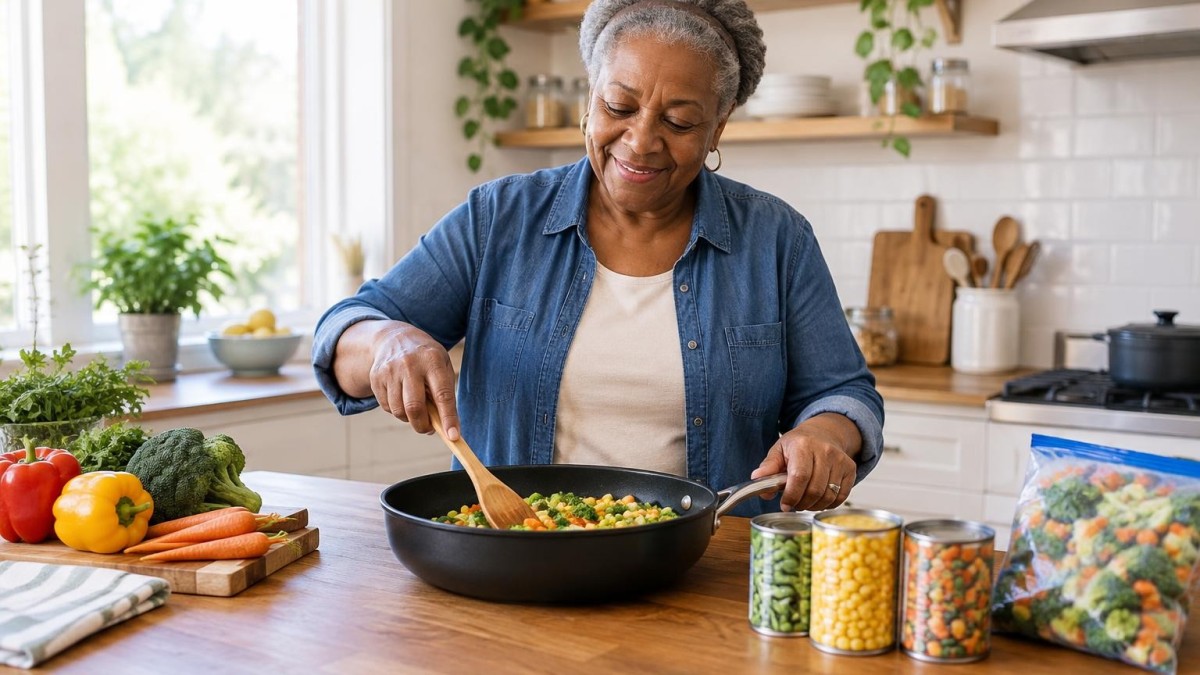
Fresh Versus Preserved: What to Consider
Fresh vegetables arguably provide the best flavor, texture, and appeal, but they come with a shorter shelf life and often more prep work like washing, peeling, and chopping. In contrast, canned and frozen vegetables offer shelf stability and convenience, making it easier to keep nutritious options on hand and reducing food waste in busy households.
When Canned Vegetables Are the Right Pick
Canned vegetables are a pantry-friendly staple that shine when you want minimal prep time. They’re great for adding quickly to soups, stews, casseroles, and pasta dishes where a softer texture is fine. Since they’re pre-cooked, you can toss them in after draining and rinsing if needed. Their long shelf life means they’re handy for meal planning and cutting down on extra grocery store trips. Just watch sodium levels by choosing low-sodium or no-salt-added varieties and rinsing before use.
Advantages of Frozen Vegetables
Frozen vegetables are often processed shortly after harvest, helping lock in nutrients and preserve texture better than canned options. They're especially helpful when texture makes a difference—think stir-fries or side dishes where a firmer bite is best. Many frozen veggies can be cooked right from the freezer, saving time and allowing you to take just what you need without worrying about spoilage. Keeping frozen veggies around ensures you can enjoy seasonal varieties year-round.
Nutrition: Fresh, Frozen, or Canned?
The nutritional differences between fresh, frozen, and canned veggies vary depending on processing and storage. Frozen vegetables often retain a large share of their nutrients due to swift freezing after harvest, while canned vegetables provide valuable nutrients but may lose some vitamins during canning. Checking ingredient lists and nutrition labels can help pick options that support your dietary needs.
Picking the Best Option for Your Dish
Consider your recipe when choosing between canned and frozen. Soups and stews can benefit from canned veggies' ready-to-use nature, while frozen veggies often perform better in stir-fries or quick steamed sides due to their texture. For casseroles and pasta dishes, either can work, depending on whether you want more texture or convenience.
Smart Tips for Keeping Vegetables on Hand
Keeping a mix of fresh, canned, and frozen vegetables in your kitchen lets you adapt to different meals and schedules. Stock pantry cans for quick meal solutions and freezer bags for versatile sides. Rotate your stock, check for any packaging damage or spoilage, and always read nutrition labels to make choices that align with your health goals. This approach helps simplify meal prep while reducing waste.
Ultimately, whether you reach for frozen, canned, or fresh vegetables, the goal is to make it easier to enjoy more vegetables in your meals. Each type has strengths that can complement your cooking style, schedule, and taste preferences.
Newsletter Station provides professionally written, ready-to-send newsletters customized for your market and brand.
EXPLORE NEWSLETTER OPTIONS