
Choosing the Right Seed and Timing
Creating a lush, healthy lawn goes beyond tossing seed and hoping for the best. Whether you're starting fresh, repairing thin spots, or overseeding, the key factors are selecting the right grass seed for your climate and soil, preparing the ground properly, and planting at the optimal time.
For most northern areas with cool-season grasses like Kentucky bluegrass or tall fescue, late summer to early fall is ideal. Warm soil encourages germination, while cooler air temperatures help young grass establish before the next summer. Warm-season grasses such as Bermuda or zoysia, more common in southern climates, have different growth patterns and should be seeded when temps support active growth.
Preparing Your Soil and Spreading Seed
Good soil preparation is crucial. Remove debris and weeds, and loosen compacted soil to create a smooth, firm seedbed. For existing lawns, aeration helps both relieve compaction and allows seed to reach the soil. Testing your soil can identify nutrient or pH needs; applying fertilizer or lime without this knowledge can waste resources or even harm your lawn.
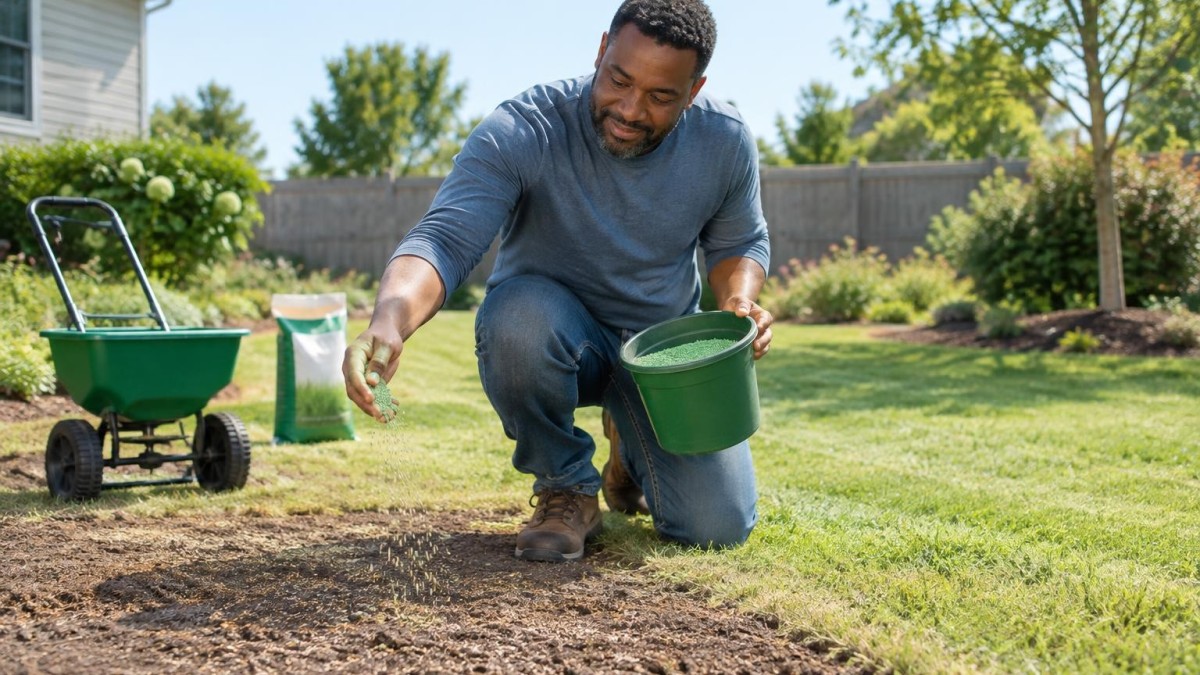
Spread seed evenly using a broadcast or drop spreader to cover the area according to package rates—overseeding can cause competition and disease, and underseeding leaves bare patches prone to weeds. Rake lightly afterward to ensure good seed-to-soil contact without burying the seed too deep.
Watering and Caring for New Grass
Moisture is critical after seeding. Keep the seedbed consistently moist with gentle sprinkling, avoiding saturation that can wash seeds away or suffocate roots. Adjust watering based on rainfall, increasing frequency during dry spells and tapering off as grass establishes. Once your new grass reaches the recommended height for its species and the soil feels firm, you can begin mowing carefully with a sharp blade, cutting no more than a third of the blade at a time.
Avoid Common Pitfalls
Don't pick seed just based on price or generic claims; select varieties well-suited to your sunlight and traffic conditions. Avoid leaving seed on thatch or hard soil, as poor contact reduces germination success. Watch watering closely—too little causes drying, too much can foster disease. Lastly, understand the root cause of any lawn problems—seeding alone won't fix issues like poor drainage or excessive shade.
By taking the time to choose the right seed, properly prepare your soil, plant at the best time, and care responsibly for your new grass, you'll set yourself up for a thick, vibrant lawn that lasts.
Newsletter Station provides professionally written, ready-to-send newsletters customized for your market and brand.
EXPLORE NEWSLETTER OPTIONS