
Choosing Your Reduction Ratio
When you want to make a smaller batch of a recipe, the first step is deciding exactly how much you want to prepare. Whether it's half, a third, or three-quarters of the original, multiply each ingredient by that fraction before you begin cooking. This simple math keeps proportions consistent and helps avoid mistakes during the cooking process.
Maintaining Key Ingredient Balances
Recipes, especially baked goods, rely on precise relationships between ingredients. When scaling down, keeping these ratios intact is vital for texture and flavor. For example, flour, fat, sugar, eggs, and leavening agents all play specific roles. While savory dishes often allow more flexibility, start with your scaled amounts and adjust flavors like garlic or herbs gradually based on taste.
Tools and Techniques for Accurate Measurements
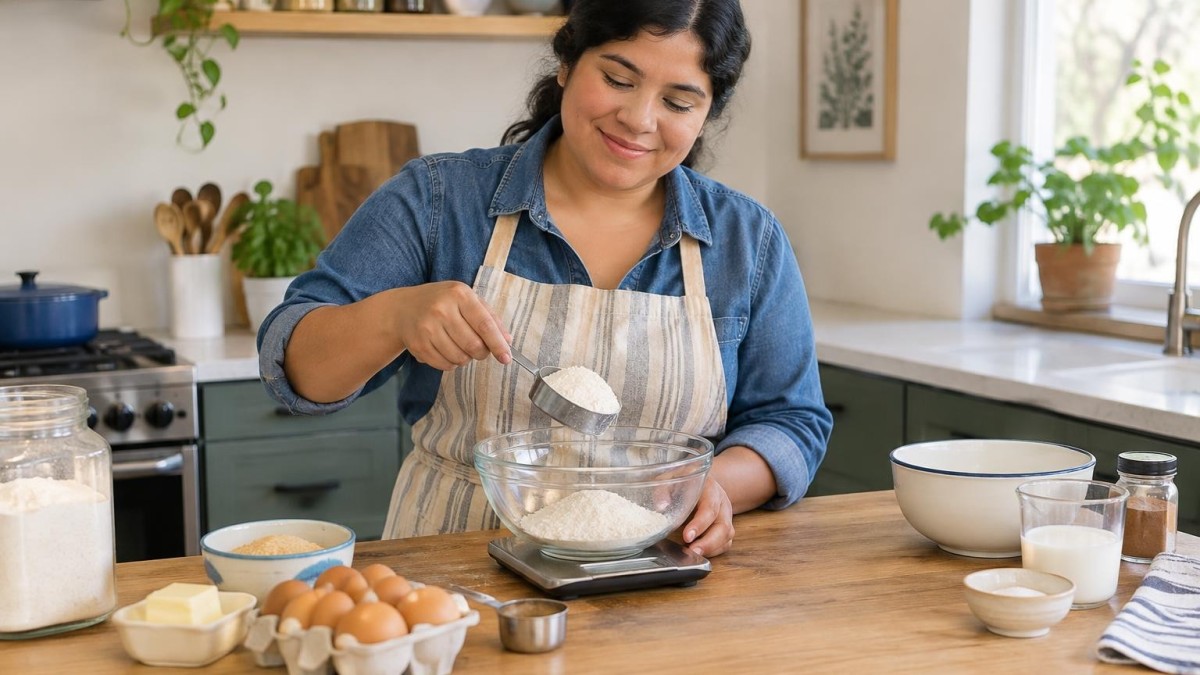
Using a digital kitchen scale can simplify measuring reduced quantities, especially for ingredients like flour or butter. Weight measurements translate easily to smaller amounts and ensure accuracy better than volume measurements. For eggs, which are tricky to divide, beat them first and use the appropriate portion by weight to maintain consistency in recipes that depend heavily on eggs for structure.
Adjusting Seasonings and Cooking Equipment
Be cautious with potent seasonings like salt, spices, and extracts. Start with less and add more as you go, tasting carefully. Also, use a baking pan that closely matches the original batter depth to avoid uneven cooking. Smaller or thinner batters often need shorter cooking times, so monitor your dish closely and rely on visual cues and doneness tests rather than strict timing.
Handling Tiny Quantities and Alternatives
When ingredient amounts become very small, measuring accurately can be difficult. In such cases, it might be better to prepare a slightly larger batch or find a recipe designed for small servings. Alternatively, consider making the full recipe and freezing leftovers for future use—this minimizes waste without sacrificing quality.
Keep Notes for Future Success
If you regularly cook for fewer people, track your adjustments on the recipe itself or in a cooking journal. Noting down ingredient amounts, pan sizes, and cooking times helps streamline preparation and improve results over time. Remember, scaling recipes takes practice, but with attention to ratios, measurement, and cooking technique, smaller batches can be just as delicious as the originals.
Newsletter Station provides professionally written, ready-to-send newsletters customized for your market and brand.
EXPLORE NEWSLETTER OPTIONS