
FEATURE ARTICLE
Tips for Keeping Animals from Damaging Your Trees
Apr 9, 2025
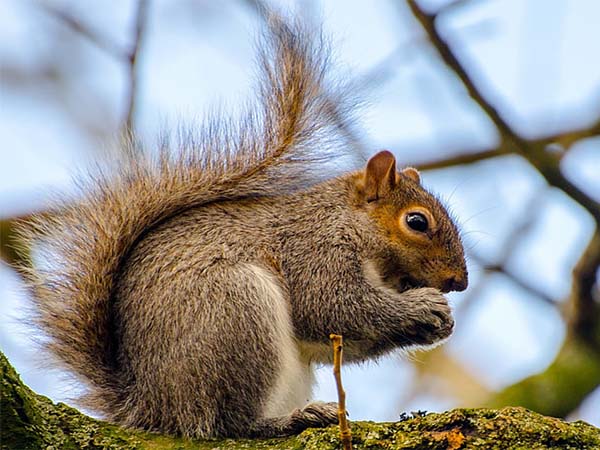
Trees are a valuable and beautiful addition to any landscape, providing shade, oxygen, and aesthetic appeal to your property. However, if you're a homeowner with trees on your land, you might have encountered the frustration of animals damaging your precious arboreal investments. From deer munching on leaves to squirrels gnawing on branches, wildlife can pose a significant threat to the health and longevity of your trees.
Fortunately, there are several strategies you can employ to protect your trees and deter these critters from causing harm. This blog will explore some helpful tips for keeping animals from damaging your trees.
Remember that different animals may require different approaches, so it's essential to identify the specific culprits causing damage to your trees and tailor your protection methods accordingly. With the proper precautions in place, you can enjoy the beauty and benefits of your trees for years to come.
Fortunately, there are several strategies you can employ to protect your trees and deter these critters from causing harm. This blog will explore some helpful tips for keeping animals from damaging your trees.
- Fence Them Out:
Installing a sturdy fence around your trees is one of the most effective ways to keep animals at bay. Deer, in particular, can cause substantial damage by stripping bark and munching on leaves. A deer-proof fence, typically made of wire mesh, should be at least 8 feet high to discourage them from jumping over. Ensure the wall is installed correctly and securely anchored to prevent animals from burrowing underneath. - Use Tree Guards:
Tree guards are physical barriers that encircle the trunk of your trees. They come in various materials, including plastic, metal, and wire mesh. These guards create a protective barrier that prevents animals, especially rodents like rabbits and voles, from gnawing on the tree bark. Be sure to choose guards that fit snugly around the trunk and extend a few feet above ground level to deter climbing animals. - Apply Repellents:
Several commercial animal repellents are available that can help deter animals from approaching your trees. These repellents often have strong odors or tastes that animals find unpleasant. You can spray or apply these products to the tree's foliage or trunk. Remember that you may need to reapply these repellents after rain or periodically, as they can wear off over time. - Prune and Trim:
Regular pruning and trimming of your trees can make them less appealing to animals. Trim branches away from buildings and structures to prevent squirrels and other climbers from accessing your trees. Pruning can also help improve the overall health of your trees, making them less vulnerable to damage. - Scare Tactics:
Scare tactics can be effective in deterring animals temporarily. You can use motion-activated devices, like sprinklers or lights, to startle and deter animals when they approach your trees. Additionally, hanging reflective objects like aluminum foil or CDs from branches can create movement and noise, making your trees less inviting to curious animals. - Provide Alternative Food Sources:
Sometimes, animals damage trees because they are looking for food. You may divert their attention away from your trees by providing alternative food sources, such as bird feeders or specific plants that animals prefer. This can be particularly helpful for attracting deer, rabbits, and other herbivores.
Remember that different animals may require different approaches, so it's essential to identify the specific culprits causing damage to your trees and tailor your protection methods accordingly. With the proper precautions in place, you can enjoy the beauty and benefits of your trees for years to come.