Tips for Recycling Plastic Food Containers
Identify Plastic Types
Plastic food containers are labeled with Resin Identification Codes, numbers ranging from 1 to 7 usually found on the bottom. These codes indicate the type of plastic used and can help you determine if your local recycling program accepts them. Understanding these numbers helps you sort plastics correctly, increasing the chance they will be successfully recycled.
Clean Thoroughly and Separate Parts
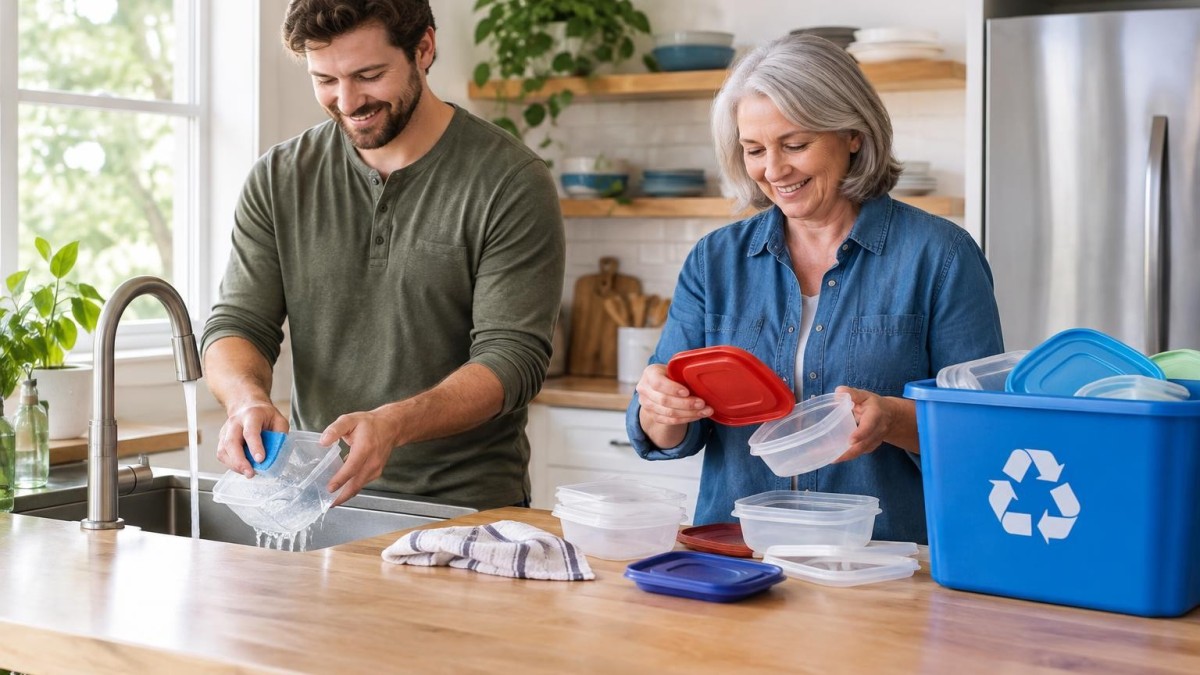
Before recycling, rinse containers well to remove food residue and liquids, which can contaminate recycling batches. It's also important to remove labels and separate lids from containers since lids are often made from different plastics that require distinct processing. These steps improve the quality of materials sent to recycling centers.
Store Properly and Follow Local Rules
Keep plastic containers in a cool, shaded place to prevent degradation caused by heat and sunlight, which can affect recyclability. Because recycling guidelines vary by community, check with your local waste facility to know exactly which plastics they accept and how to prepare them for collection.
Reduce and Reuse When Possible
Recycling is valuable, but reducing plastic use and reusing containers makes a bigger environmental difference. Consider swapping single-use plastics for containers made of glass or stainless steel, which are safer for food, longer-lasting, and avoid contributing to landfill waste.
Spread the Word
Share these practical recycling habits with your network—friends, family, and customers—to help foster greater community awareness. The more that understand how to recycle plastic food containers responsibly, the more effective waste reduction efforts will be.
Recycling plastic food containers might seem like a small step, but it contributes significantly to conserving resources and promoting a healthier environment. Putting these simple tips into practice is an easy way to support sustainability at home or in your business.