Signs that You Need to Fertilize Your Lawn
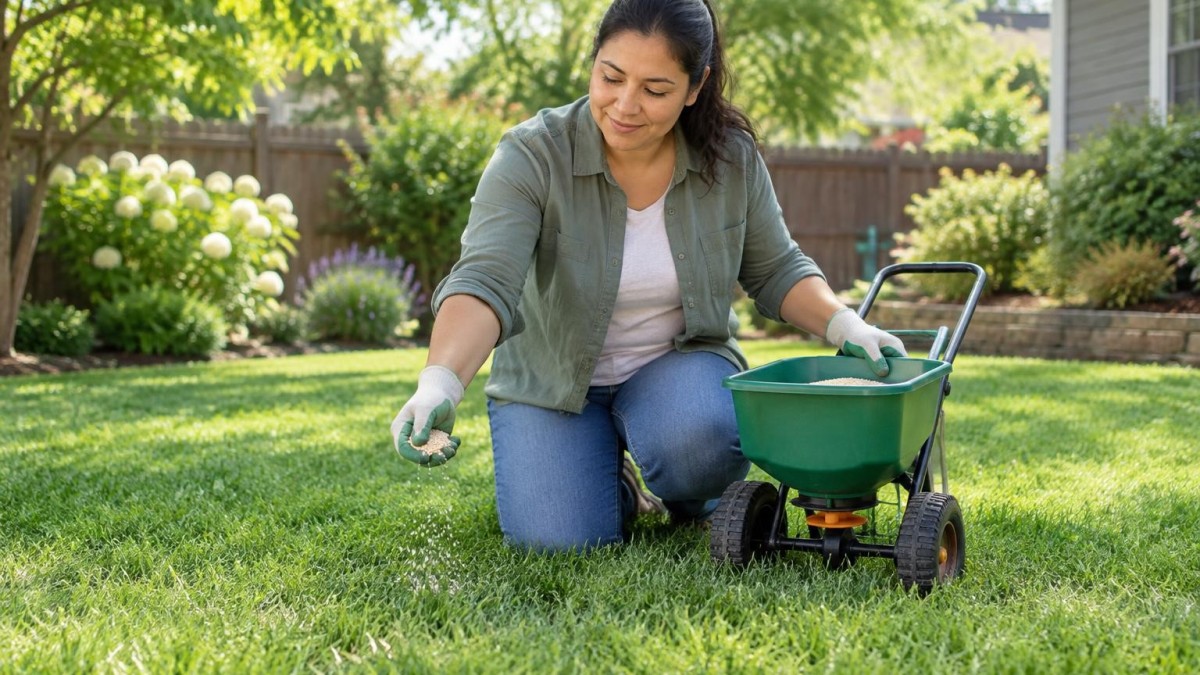
Spotting When Your Lawn Needs Extra Nutrients
A healthy, green lawn enhances your home's curb appeal, but maintaining that vibrancy requires attention to your grass's nutritional needs. Fertilizing is crucial, but timing it right can be tricky. Understanding the signs that your lawn needs fertilizing ensures you give it the care it deserves.
Watch for Dull Colors and Stunted Growth
If your lawn's lush green fades to a dull, pale, or yellowish tint, it often signals a lack of key nutrients like nitrogen. Fertilizer replenishes these vital elements, restoring color and vitality. Likewise, if your grass grows slowly or doesn’t fill in bare spots, feeding it can stimulate healthy growth to restore thickness and resilience.
Weeds, Bare Patches, and Pests Indicate Trouble
A surge in weeds can mean your grass is struggling to compete, often because it's undernourished. Dense, well-fed grass naturally crowds out these invaders. Bare or thin patches usually need additional nutrients to recover. Pest issues, such as grub damage, tend to arise when the lawn is weak from insufficient feeding. Regular fertilizing strengthens your lawn’s ability to resist pests and stay robust.
Consider Seasonal and Soil Factors
Different grasses have peak fertilizing times: warm-season grasses benefit most in late spring and summer, while cool-season types thrive with an early fall feeding. Missing these windows can result in a less vibrant lawn. Also, compacted soil stops nutrients from reaching roots effectively. Aerating before fertilizing breaks up tough soil, helping nutrients penetrate and nourish your grass fully.
By recognizing signs like fading color, reduced growth, weed increase, bare spots, pest presence, the right season, and soil condition, you can better decide when to fertilize. Acting on these cues keeps your lawn thick, green, and inviting all year round.