Understanding Soil Colors: Unlocking Your Garden’s Hidden Secrets
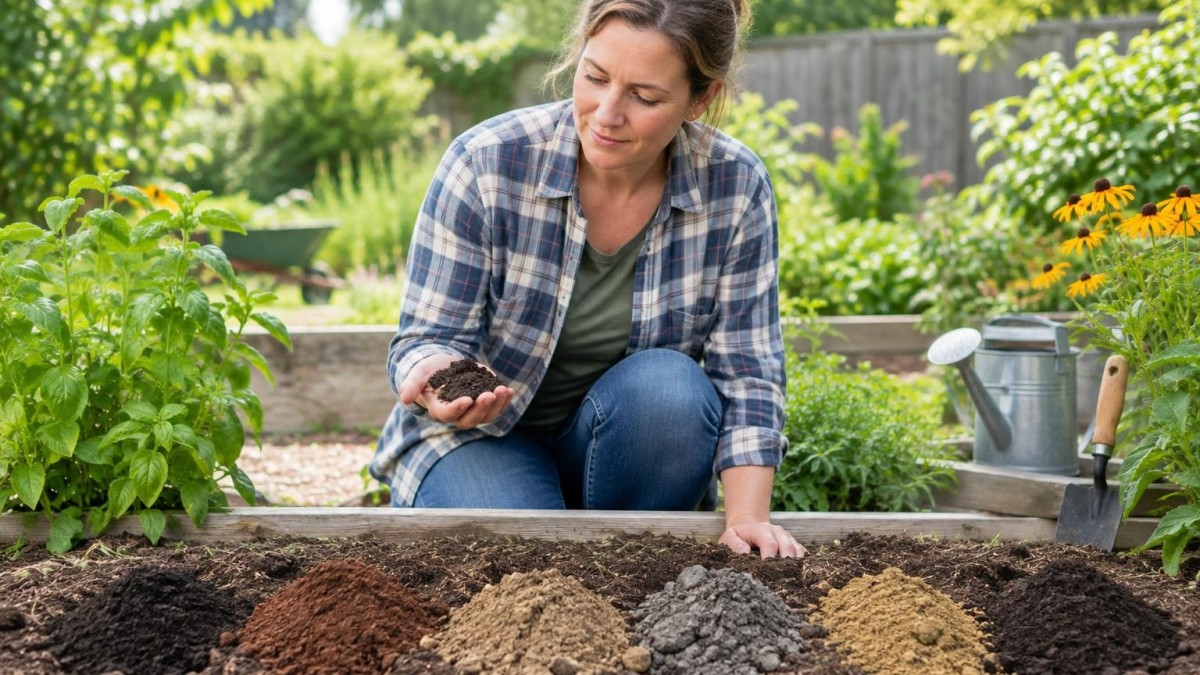
What Soil Colors Reveal About Your Garden
Soil color might seem like just a background detail in your garden, but it actually holds important clues about soil quality and what your plants need. Paying attention to these colors can help you nurture a healthier, more productive garden.
Dark Brown Indicates Rich Organic Matter
When soil is dark brown, it’s often packed with organic material like decomposed plants and leaves. This organic matter retains moisture and supports beneficial soil life, creating a fertile environment where most plants thrive naturally.
Light Brown to Tan Means Moderate Fertility
Soils with lighter brown or tan hues typically have a balanced mix of sand, silt, and clay, like loam. While these soils aren’t as nutrient-rich as darker ones, they’re a solid base that responds well to adding compost and fertilizer to boost plant growth.
Reddish Brown Warns of Potential Drainage Issues
The reddish tint in soil comes from iron oxides and can suggest uneven nutrients or drainage challenges. It’s wise to test these soils and improve them as needed to prevent root problems and keep your plants healthy.
Gray or Blue-Gray Signals Waterlogged Soil
These cooler shades often mean the soil holds too much water and lacks sufficient oxygen, which is vital for roots. You can fix this by improving drainage—incorporating organic matter, creating raised beds, or adding drainage systems helps roots breathe and grow strong.
Yellowish Soil Indicates Nutrient Deficiency
Yellow soils may be missing key nutrients, often due to leaching or low organic content. Introducing organic amendments and balanced fertilizers can replenish fertility and bring your soil back to health.
Black or Dark Gray Suggests Moist, Fertile Spots with Caution
These colors mean the soil is moist and often fertile, which suits moisture-loving plants. However, it’s important to manage watering carefully and ensure good soil airflow to avoid root diseases.
By regularly checking your soil’s color and combining this with occasional testing, you gain useful insights into maintaining a strong garden foundation. Adjust your soil care based on these observations to help plants flourish and keep your soil resilient year after year.
Next time you dig or plant, take a moment to observe your soil’s color—it’s like reading a secret garden diary full of valuable tips.